

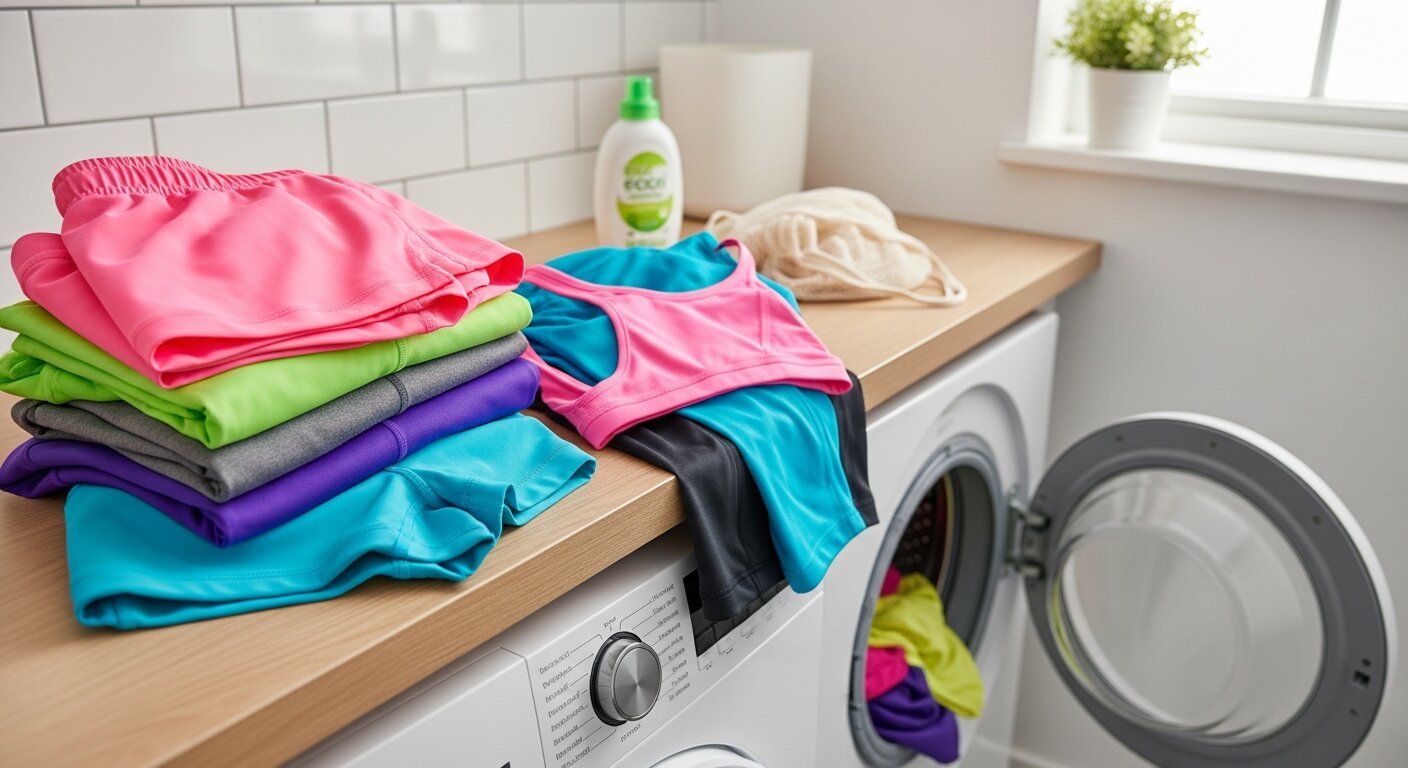
Washing workout clothes correctly transforms your laundry routine. Sweat, bacteria, and tight fibers demand a specialized approach to keep gear fresh. Mastering the process of washing workout clothes protects your investment, eliminates stubborn odors, and keeps your favorite athletic pieces performing beautifully.
This comprehensive guide explores the best techniques for washing workout clothes. You will discover exactly how to remove trapped bacteria, avoid common laundry mistakes, and choose the right athletic detergent. By following these expert tips for washing workout clothes, you can permanently eliminate unpleasant smells, maintain fabric elasticity, and maximize the lifespan of your activewear.
Understanding the Importance of Washing Workout Clothes Properly
Washing workout clothes requires an entirely different strategy than cleaning standard cotton t-shirts or denim jeans. Activewear consists primarily of synthetic materials like polyester, nylon, and spandex. These moisture-wicking fabrics do an excellent job of pulling sweat away from your skin to keep you cool during a strenuous gym session. However, the exact same woven technology that repels moisture also traps body oils, dead skin cells, and bacteria deep within the synthetic fibers.
When you delay washing workout clothes, these bacteria multiply rapidly. The longer you leave damp gear in a gym bag or laundry hamper, the harder it becomes to extract the lingering odors. Standard laundry methods simply mask these smells temporarily with heavy artificial fragrances. Once your body heat warms the fabric during your next gym session, the unpleasant odor returns immediately. Effective washing workout clothes targets the root cause of the smell rather than just covering it up.
Learning the specific rules for washing workout clothes ensures you protect the structural integrity of your expensive gear. High heat and harsh chemicals break down the elastane that gives your leggings and compression tops their supportive stretch. Proper care keeps your garments looking brand new while preventing skin irritation caused by lingering trapped bacteria.
The Science of Sweat and Odor in Activewear

To understand why washing workout clothes takes special care, you must understand how sweat interacts with performance fabrics. Human sweat actually lacks an inherent odor. The smell we associate with body odor occurs when harmless bacteria naturally present on your skin consume the lipids and proteins found in your sweat. This consumption process releases volatile organic compounds, which produce the distinct, stubborn stench associated with dirty gym gear.
Why Synthetic Fibers Trap Odors
Most modern activewear utilizes synthetic polymers. Unlike natural cotton, which absorbs water directly into the fiber core, synthetic fibers are hydrophobic. They repel water. Instead of absorbing sweat, they force the moisture into the tiny crevices between the woven threads, allowing it to evaporate quickly. However, these same fibers are highly lipophilic, meaning they actively attract and hold onto body oils.
When washing workout clothes with standard detergents, the water struggles to penetrate these oil-soaked crevices. The detergent washes away the surface dirt but leaves the deeply embedded oils and bacteria behind. This creates a microscopic layer of grime that builds up over time. If you notice your gear smelling foul even immediately after pulling it from the laundry, this biological buildup is the culprit. Effective methods for washing workout clothes specifically utilize ingredients that dissolve these stubborn lipid bonds.
The Impact of Delayed Washing
Timing plays a critical role in washing workout clothes successfully. When you toss a damp, sweat-soaked sports bra into a dark, warm hamper, you create a perfect incubator for microbial growth. Mold and mildew can begin forming on synthetic fabrics in less than twenty-four hours. For optimal hygiene, washing workout clothes should happen as soon as possible after your exercise routine concludes. If immediate washing is impossible, hang the garments up to dry completely before placing them in a laundry basket. This simple habit drastically improves your success rate when washing workout clothes later in the week.
Essential Steps for Washing Workout Clothes
Achieving a deep, hygienic clean requires a systematic approach. Follow this step-by-step framework for washing workout clothes to guarantee perfectly fresh gear every single time.
Step 1: Pre-Treating and Soaking
Before the clothes ever touch the washing machine, pre-treatment sets the foundation for success. Washing workout clothes heavily soiled with sweat requires breaking down the oils first. Create a soaking solution using one part distilled white vinegar to four parts cold water. Submerge your gym clothes in this mixture for thirty to sixty minutes. The mild acetic acid in the vinegar acts as a natural deodorizer and cuts through the lipophilic barrier without damaging the delicate synthetic threads.
For targeted stains, such as deodorant buildup under the arms or sweat rings around a collar, make a paste using baking soda and a small amount of water. Gently rub this paste into the affected areas using a soft-bristled brush. Allow it to sit for fifteen minutes before proceeding. Taking the time for this preparatory step elevates your results when washing workout clothes.
Step 2: Turn Everything Inside Out
Always turn your garments inside out before washing workout clothes. The vast majority of sweat, body oils, and dead skin cells accumulate on the interior surface of the fabric, directly against your skin. Exposing this inner layer allows the detergent and water agitation to physically knock the grime loose. Furthermore, washing workout clothes inside out protects the outer colors from fading and prevents printed logos or reflective safety strips from peeling off over time.
Step 3: Choose the Right Detergent
Selecting the correct cleaning agent heavily influences the outcome of washing workout clothes. Standard detergents often contain heavy dyes, artificial fragrances, and thickeners that leave a residue on synthetic fibers. This residue coats the fabric, trapping bacteria underneath and destroying the garment’s moisture-wicking capabilities.
Instead, opt for a specialized athletic detergent. These formulas utilize powerful enzymes, specifically protease and lipase, to target and dismantle protein and fat-based stains. If an athletic-specific detergent is unavailable, choose a high-quality, clear, and unscented liquid detergent. Use slightly less detergent than you normally would. Over-soaping represents a massive error when washing workout clothes, as excess suds refuse to rinse out completely, leading to stiffer, smellier gear.
Step 4: Select the Correct Washer Settings
Water temperature dramatically impacts the survival of elastic fibers. Always use the cold water setting when washing workout clothes. Hot water essentially cooks the body oils into the fabric, permanently setting the stains and odors. Additionally, excessive heat breaks down spandex and lycra, causing your supportive compression gear to become loose and baggy.
Set your washing machine to a gentle or delicate cycle. The intense agitation of a heavy-duty cycle creates severe friction, which leads to pilling and micro-tears in the fabric. Washing workout clothes on a gentler cycle provides plenty of cleaning power while preserving the garment’s structural integrity.
Step 5: Wash Heavy and Light Items Separately
Never mix your delicate gym wear with heavy cotton towels, denim jeans, or garments with open zippers and velcro. Washing workout clothes alongside rough materials generates destructive friction. Heavy towels also shed lint, which clings aggressively to the static-prone synthetic fibers of yoga pants and athletic shirts. For the ultimate protection, place sports bras and thin compression tops inside mesh laundry bags before washing workout clothes.
Common Mistakes When Washing Workout Clothes
Even seasoned athletes often ruin their gear by practicing poor laundry habits. Avoiding these critical errors makes washing workout clothes significantly more effective and extends the lifespan of your activewear wardrobe.
Using Fabric Softener
This remains the most destructive mistake you can make when washing workout clothes. Fabric softener operates by leaving a waxy coating over threads to make them feel smoother against the skin. When you apply this waxy layer to moisture-wicking fabrics, it completely blocks the pores of the material. Your expensive gear loses its ability to breathe, stretch, and manage sweat. Furthermore, this coating acts like glue for odor-causing bacteria. Never use liquid softeners or dryer sheets when washing workout clothes.
Using Too Much Detergent
Many people assume that dirtier, smellier clothes require more soap. When washing workout clothes, the exact opposite is true. Washing machines operate using a precise ratio of water to detergent. If you add extra soap, the machine cannot rinse it all away. The leftover detergent settles into the fibers, creating a sticky film that attracts dead skin and dirt. Stick to the recommended dosage, or even use slightly less, when washing workout clothes.
Ignoring the Care Labels
Manufacturers sew care labels into garments for a reason. Ignoring these instructions usually leads to shrinkage, color bleeding, or melted elastics. Before washing workout clothes from a new brand, take ten seconds to read the tag. It dictates the maximum water temperature, whether you can iron the piece, and if dry cleaning is strictly prohibited.
Comparison Table: Standard Laundry vs. Washing Workout Clothes
Understanding the stark differences between regular laundry loads and athletic loads clarifies why special care is mandatory. Use this reference table to optimize your routine for washing workout clothes.
|
Laundry Element |
Standard Cotton Clothing |
Washing Workout Clothes |
Why It Matters |
|---|---|---|---|
|
Water Temperature |
Warm or Hot |
Strictly Cold Water |
Cold water prevents elastic degradation and stops odors from baking into synthetic fibers. |
|
Detergent Type |
Standard commercial detergent |
Enzyme-based athletic detergent |
Enzymes break down stubborn body oils that standard detergents leave behind. |
|
Fabric Softeners |
Safe for use |
Strictly Prohibited |
Softeners coat athletic wear in wax, destroying moisture-wicking properties and trapping smells. |
|
Drying Method |
Tumble dry medium/high |
Air dry flat or low heat |
High heat ruins Lycra and spandex, destroying the garment’s supportive stretch. |
|
Pre-Treatment |
Bleach or commercial stain stick |
White vinegar or baking soda soak |
Vinegar neutralizes odor-causing bacteria without damaging delicate fabric structures. |
Expert Insights for Washing Workout Clothes
To elevate your hygiene routine, consider these advanced strategies utilized by fabric care professionals and professional athletes for washing workout clothes.
The Power of Sun Drying
Whenever weather permits, skip the mechanical dryer entirely and hang your activewear outside. The ultraviolet rays from the sun possess natural antibacterial properties. Drying your gear in the sunlight provides a final layer of disinfection after washing workout clothes. However, turn dark-colored items inside out to prevent the UV rays from fading the vibrant dyes.
Try Laundry Stripping for Deep Cleaning
If your older gym clothes carry a permanent stench despite regular cleaning, laundry stripping offers a powerful reset. This aggressive soaking method forces out months of built-up detergent residue, hard water minerals, and body oils. Fill a bathtub with hot water, a quarter cup of borax, a quarter cup of washing soda, and a half cup of heavy-duty laundry detergent. Submerge the garments and let them soak for four to six hours, stirring occasionally. The water will turn dark brown or gray as the trapped grime releases. Afterward, run the items through a standard cycle for washing workout clothes in cold water. Do not perform this process frequently, as it is harsh on fibers, but it works miracles for reviving seemingly ruined gear.
Freezing as a Temporary Fix
If you absolutely cannot manage washing workout clothes immediately after a tough workout, place the damp items in a sealed plastic bag and put them in the freezer. The extreme cold halts bacterial growth, preventing the foul odors from multiplying until laundry day arrives. This does not replace washing workout clothes, but it prevents the situation from worsening in the meantime.
How to Dry Your Gear After Washing Workout Clothes
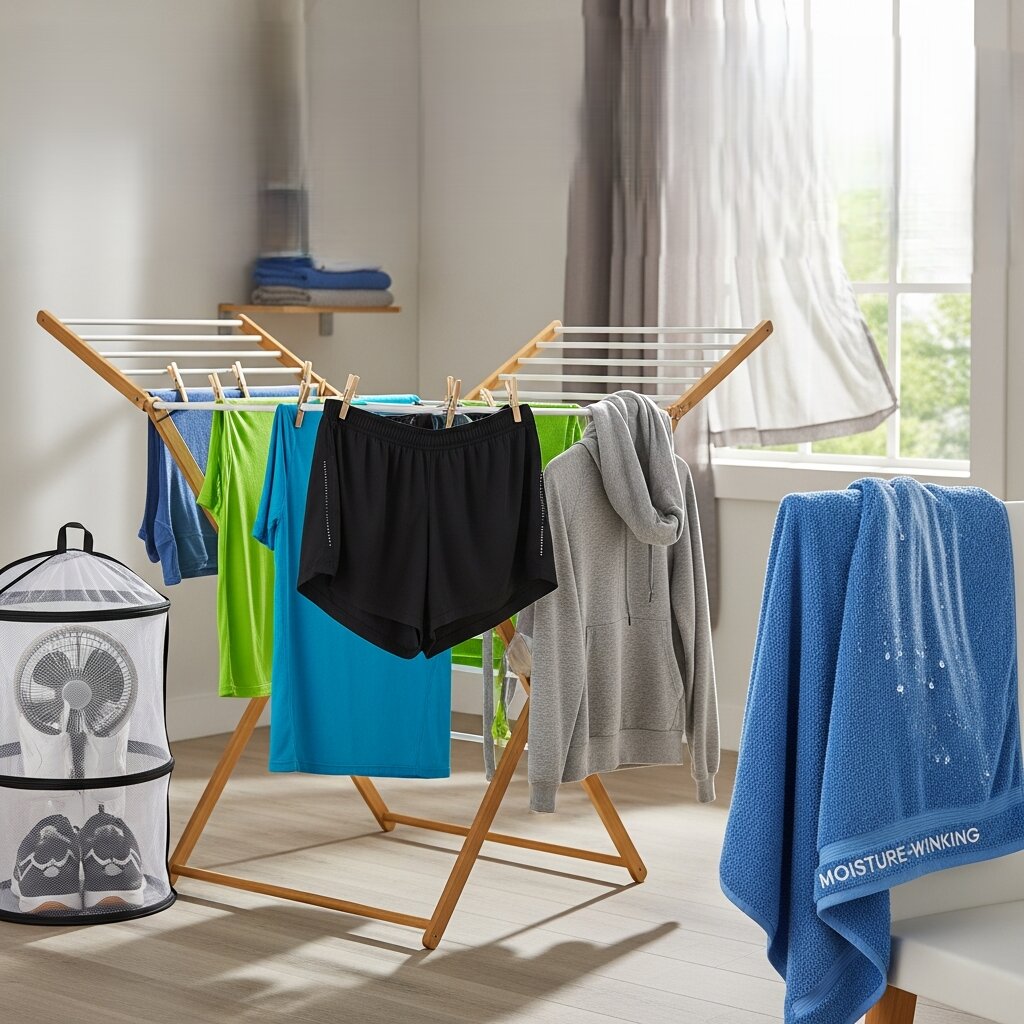
The drying phase represents the final hurdle in washing workout clothes. Mishandling this step easily undoes all your careful washing efforts.
The absolute best practice involves letting your garments air dry. Lay heavy items, like compression leggings, flat on a clean towel or a drying rack to prevent the weight of the water from stretching them out vertically. Drape lightweight shirts and shorts over hangers in a well-ventilated room.
If you must use a mechanical dryer because you are short on time, select the “tumble dry low” or “no heat” setting. The intense heat of a standard drying cycle melts the synthetic fibers, warps rubberized waistbands, and permanently shrinks your clothing. Additionally, heat chemically bonds any remaining sweat smells into the fabric. If you notice a lingering odor after washing workout clothes, putting the item in a hot dryer guarantees you will never get that smell out again.
To speed up the mechanical drying process without using heat, toss three or four clean, dry towels into the machine alongside your damp activewear. The dry towels absorb the excess moisture rapidly, drastically cutting down the cycle time and protecting your gear from unnecessary tumbling friction.
Washing workout clothes correctly might seem tedious initially, but it quickly becomes an effortless habit. Protecting your expensive athletic wear while ensuring optimal hygiene heavily impacts your overall fitness experience.
Conclusion
Washing workout clothes requires cold water, the right detergent, and avoiding harsh heat or softeners. By treating synthetic fabrics properly, you permanently eliminate odors and preserve elasticity. Start washing workout clothes smarter today—upgrade your detergent and switch to cold water to instantly improve the longevity of your athletic gear.
FAQs
1. How often should I be washing workout clothes?
You must begin washing workout clothes after every single use. Even if you did not sweat heavily, dead skin cells, body oils, and environmental bacteria accumulate on the fabric. Rewearing dirty activewear causes skin breakouts, bacterial infections, and permanent odor buildup.
2. Can I use bleach when washing workout clothes?
No, you should never use chlorine bleach when washing workout clothes. Bleach is extremely harsh and will quickly dissolve the synthetic fibers, destroying the stretch and structural integrity of the garment. For whitening and disinfecting, use an oxygen-based bleach or white vinegar instead.
3. Why do my clothes still smell after washing workout clothes?
If odors remain, you likely have detergent buildup trapping bacteria, or you used hot water that baked the smell into the fibers. To fix this, soak the garments in white vinegar and cold water for an hour before washing workout clothes again without any detergent to strip the residue.
4. What is the best detergent for washing workout clothes?
The best option is a specialized athletic detergent containing protease and lipase enzymes. These enzymes break down the fats and proteins found in sweat. If that is unavailable, use a high-quality, clear, unscented liquid detergent and avoid all powder detergents, which often fail to dissolve in cold water.
5. Should I wash my sports bras differently than my leggings?
Yes, sports bras require extra care due to their complex elasticity and padding. Remove removable pads and wash them separately. Always place sports bras in a mesh laundry bag before washing workout clothes to prevent the straps from wrapping around an agitator and stretching out.
6. Can I put my sneakers in the washing machine?
You can machine wash many modern running shoes, but do so carefully. Remove the laces and insoles first. Place the shoes in a mesh bag and wash them on a delicate, cold-water cycle alongside a few old towels to cushion the tumbling. Never put sneakers in the dryer.
7. Is it safe to iron my gym clothes after washing them?
Absolutely not. The synthetic polymers in activewear, such as polyester and spandex, have a very low melting point. A hot iron will instantly melt the fabric, creating a hole in the garment and ruining the iron. Always let them air dry; synthetic fabrics generally resist wrinkling anyway.
8. Does hot water clean better when washing workout clothes?
While hot water kills bacteria on cotton and linens, it damages activewear. Hot water denatures the elastane fibers that provide stretch and sets protein-based sweat stains permanently into the fabric. Always use cold water when washing workout clothes to preserve the garment’s functionality.
9. How do I remove hard water stains from my athletic gear?
Hard water leaves mineral deposits that make synthetic fabrics stiff and dingy. When washing workout clothes in hard water, add half a cup of washing soda or borax to the drum. These act as water softeners, allowing the detergent to work effectively and rinse away cleanly.
10. Can I use dryer sheets instead of liquid fabric softener?
No. Dryer sheets coat your clothing in a waxy, fragrant film just like liquid fabric softeners do. This film ruins the moisture-wicking capabilities of your gym clothes and traps odor-causing bacteria against the fabric. Stick to air drying or use wool dryer balls if you must use a machine.
