

Mastering Essential Sportswear Care is vital to keep your expensive activewear functioning perfectly. Proper washing techniques protect advanced fabrics and boost your workout gear’s lifespan.
This comprehensive guide reveals how to protect your athletic investments. We cover optimal washing strategies, fabric-specific treatments, drying methods, and odor elimination techniques. Apply these proven methods to maximize fabric elasticity, maintain moisture-wicking capabilities, and keep your gym clothes fresh.
Why Essential Sportswear Care Matters for Your Gear
Athletic apparel utilizes advanced synthetic fibers designed to pull sweat away from your body, regulate temperature, and stretch dynamically. Treating these technical fabrics like standard cotton t-shirts rapidly degrades their functionality. When you prioritize Essential Sportswear Care, you protect the microscopic channels built into the fabric that manage moisture.
Without proper maintenance, sweat, dead skin cells, and body oils trap themselves within these synthetic fibers. Over time, this buildup creates a permanent odor barrier, destroys the garment’s elasticity, and ruins its breathability. By implementing a dedicated washing routine, you save money, reduce textile waste, and ensure your gear performs optimally during every training session.
The Science Behind Athletic Fabrics
Most modern workout gear consists of spandex, elastane, polyester, and nylon blends. These petroleum-based synthetics are highly oleophilic, meaning they attract body oils. This chemical property explains why gym clothes often retain stubborn odors even after a standard wash cycle. Proper Essential Sportswear Care requires specific strategies to break down these oils without damaging the delicate, stretchy fibers that give the clothing its shape. You can learn more about textile properties from the Textile Exchange, an authoritative source on sustainable fiber standards.
Pre-Wash Preparation: Setting Up for Success
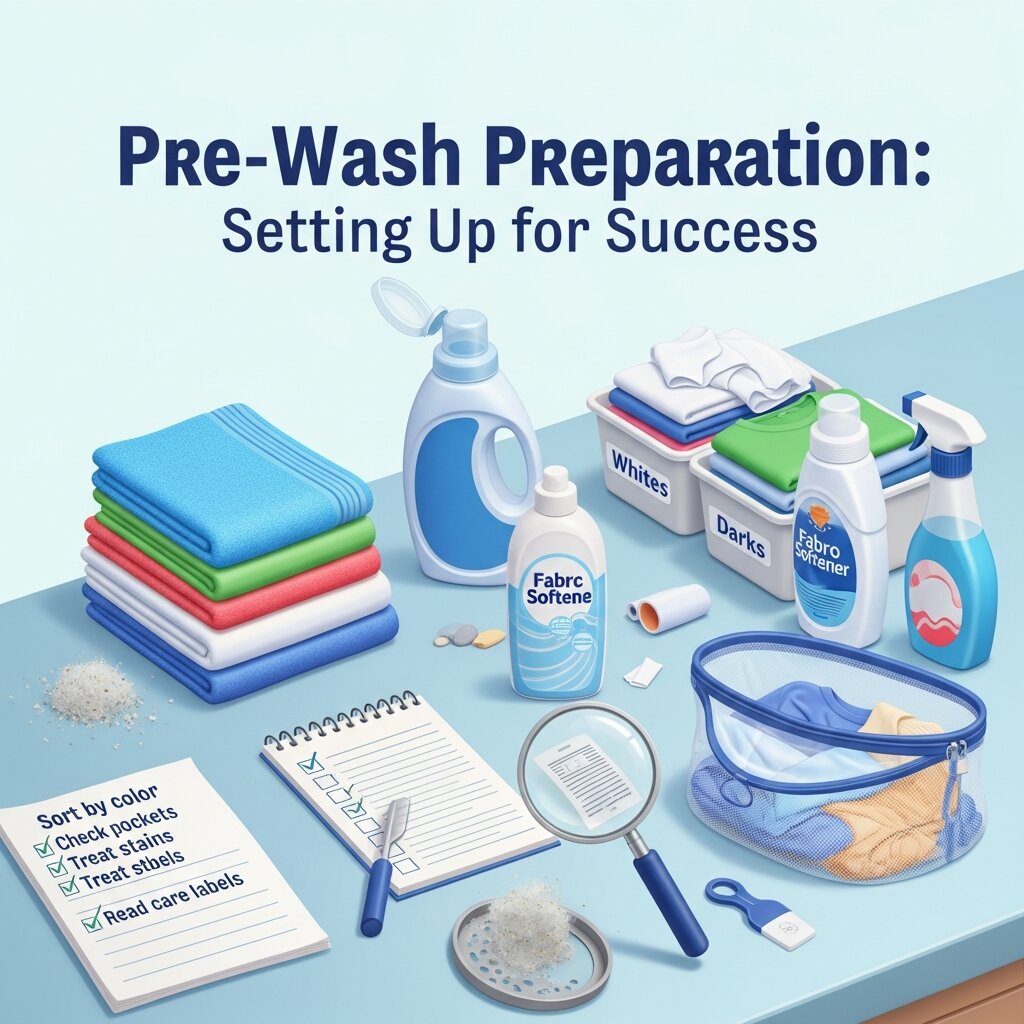
You must prepare your gym clothes correctly before they ever touch the washing machine. Taking a few minutes to prep your garments prevents damage and ensures a deeper clean.
- Air them out immediately: Never leave damp, sweaty clothes crumpled in a gym bag. Hang them up to dry before throwing them into the hamper to prevent mold and mildew growth.
- Turn everything inside out: Sweat, oils, and bacteria accumulate on the inside of your clothes. Turning garments inside out exposes the dirtiest parts to the water and detergent while protecting the outer colors and printed logos from friction.
- Zip up and strap down: Fasten all zippers, snap all buttons, and secure velcro straps. Open zippers act like tiny chainsaws in the washing machine, tearing at delicate athletic mesh.
Sorting Your Laundry
Never wash your athletic apparel with heavy items like denim jeans or rough materials like towels. The friction caused by heavy fabrics creates microscopic tears in synthetic fibers, leading to pilling and premature wear. Create a dedicated laundry load exclusively for your workout gear. If you must wash them with other items, place your sportswear inside a mesh laundry bag. This practice aligns perfectly with optimal workout gear storage techniques.
Mini-Conclusion: Proper pre-wash preparation acts as the first line of defense against fabric degradation, ensuring your gear survives the mechanical stress of the washing machine.
The Ultimate Washing Guide for Activewear
Executing a flawless washing routine forms the core of Essential Sportswear Care. The temperature, cycle type, and detergent you select will make or break your athletic wardrobe.
Choosing the Right Detergent
Standard laundry detergents often contain optical brighteners, artificial fragrances, and heavy surfactants designed for cotton. These ingredients coat synthetic fibers, trapping bacteria and destroying moisture-wicking properties.
Instead, use a sport-specific detergent formulated with enzymes. Protease and lipase enzymes naturally break down protein stains (sweat) and lipid stains (body oils) without leaving a thick chemical residue behind.
Water Temperature and Cycle Selection
Heat is the absolute enemy of elastane and spandex. Washing your gym clothes in hot water literally melts the elastic fibers, leading to sagging waistbands and stretched-out sports bras.
- Use cold water exclusively: Keep the water temperature below 30°C (86°F). Cold water preserves fabric elasticity and prevents vibrant colors from fading.
- Select the gentle cycle: Choose a delicate or hand-wash cycle. Lower spin speeds reduce the physical agitation that pulls and stretches delicate seams.
- Use an extra rinse: If your machine has an extra rinse option, use it. This ensures the machine washes away all dissolved detergent and loosened body oils.
Essential Sportswear Care: Drying Your Workout Gear Properly
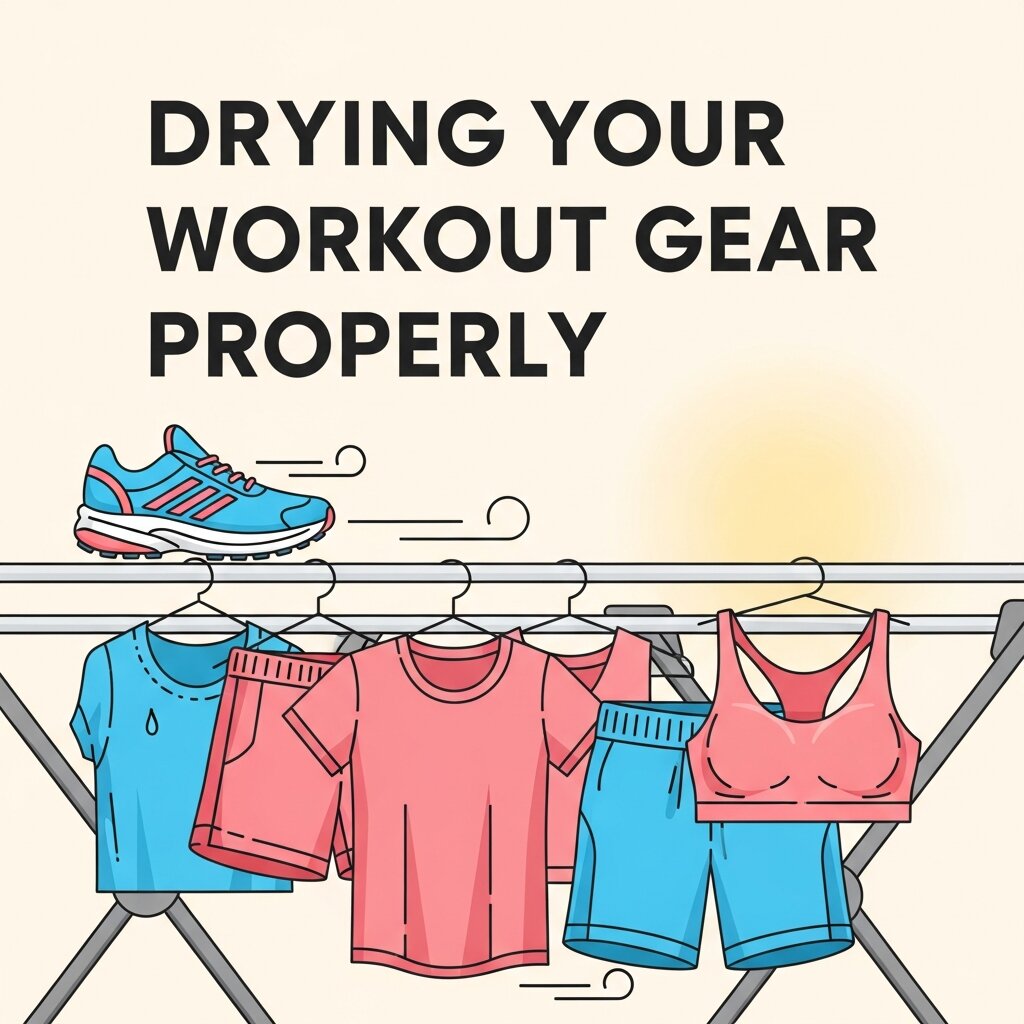
How you dry your athletic apparel impacts its lifespan just as much as how you wash it. The intense heat of a tumble dryer destroys synthetic fibers faster than any other laundering mistake.
Air Drying is Mandatory
Always air dry your workout clothes. Hang them on a sturdy drying rack in a well-ventilated area away from direct sunlight. Direct UV rays can bleach colors and degrade nylon quickly.
If you absolutely must use a dryer due to time constraints, select the “air fluff” or completely “no heat” setting. Add wool dryer balls to speed up the process by improving air circulation without relying on damaging thermal energy. Proper drying methods ensure you maintain your clothing’s fit when choosing breathable fabrics for your next workout.
Odor Elimination Techniques (Stripping Your Gear)
Even with perfect Essential Sportswear Care, highly active individuals might eventually notice a lingering odor in their favorite workout shirts. This phenomenon, known as “permastink,” requires a deeper cleaning method called laundry stripping.
- Fill a bathtub or large basin with cool water.
- Add a half cup of white vinegar and two tablespoons of baking soda.
- Submerge your clean, dry workout clothes into the mixture.
- Let them soak for 30 to 60 minutes.
- Rinse thoroughly with cold water and air dry.
The white vinegar acts as a natural deodorizer and breaks down any leftover detergent buildup, while the baking soda helps neutralize acidic sweat residues.
Common Mistakes to Avoid
Protect your investment by eliminating these harmful laundry habits:
- Using Fabric Softener: Liquid fabric softeners and dryer sheets coat your clothes in a waxy silicone residue. This destroys moisture-wicking capabilities and traps odors permanently.
- Overdosing Detergent: Using too much soap does not make your clothes cleaner. It creates excess suds that trap dirt back into the fabric. Use half the recommended amount for activewear.
- Washing with Towels: The lint from cotton towels aggressively sticks to synthetic athletic fabrics and creates severe pilling.
- Delaying the Wash: Leaving sweaty gear in a dark, warm gym bag creates the perfect breeding ground for stubborn bacteria.
Expert Insights & Pro Tips

To truly elevate your Essential Sportswear Care routine, consider these advanced strategies used by professional athletes and equipment managers:
- The Freezer Trick: If you cannot wash a lightly worn item immediately, place it in a sealed plastic bag and leave it in the freezer overnight. The sub-zero temperature kills odor-causing bacteria instantly.
- Spot Treat Stains Quickly: Address mud or blood stains immediately with a soft-bristled toothbrush and a small drop of enzyme detergent. Never scrub aggressively.
- Rotate Your Wardrobe: Give your compression gear at least 24 hours of rest between uses. Elastic fibers need time to naturally retract and recover their original shape.
Comparison Table: Sportswear Fabrics vs. Care Needs
|
Fabric Type |
Common Use Cases |
Washing Sensitivity |
Heat Tolerance |
Primary Care Focus |
|---|---|---|---|---|
|
Polyester |
T-shirts, shorts, tracksuits |
Medium – Retains odors easily |
Low – Prone to static and melting |
Use enzyme-based sport detergents to remove oils. |
|
Spandex / Elastane |
Leggings, sports bras, compression |
High – Loses stretch when agitated |
Very Low – Heat destroys elasticity |
Wash on delicate cycle, air dry absolutely flat. |
|
Nylon |
Windbreakers, swimwear, active tops |
Medium – Prone to color fading |
Low – Shrinks under high heat |
Wash inside out in cold water to preserve color. |
|
Merino Wool |
Base layers, hiking socks |
Very High – Shrinks and felts easily |
Very Low – Zero heat tolerance |
Use specific wool detergent, lay flat to dry. |
Why Essential Sportswear Care Matters
Proper care for sportswear is crucial to maintain its performance and durability. Athletic fabrics are designed to wick moisture, regulate temperature, and provide flexibility. Neglecting care can lead to odor buildup, loss of elasticity, and reduced breathability. By adopting a dedicated care routine, you protect the advanced fibers, ensuring your gear lasts longer and performs optimally. This not only saves money but also reduces waste. Treating your sportswear right ensures it stays fresh, functional, and ready for every workout.
Pre-Wash Preparation Tips
Before washing, take a few steps to protect your sportswear. Always air out sweaty clothes immediately to prevent mold and mildew. Turn garments inside out to expose the dirtiest areas and protect colors and logos. Fasten zippers and secure velcro straps to avoid damage during washing. Sorting your laundry is equally important—wash sportswear separately or use a mesh laundry bag to minimize friction. These simple pre-wash habits ensure your gear stays in top condition and lasts longer.
The Importance of Air Drying
Drying your sportswear properly is as important as washing it. Avoid tumble dryers, as high heat damages synthetic fibers, causing loss of elasticity and shape. Instead, air dry your gear on a rack in a well-ventilated area, away from direct sunlight. If you must use a dryer, select a no-heat setting like “air fluff.” Proper drying methods preserve the fabric’s integrity, ensuring your sportswear remains functional and durable for longer, ready to support your active lifestyle.
Conclusion
Understanding the specific fiber composition of your activewear allows you to tailor your Essential Sportswear Care routine, guaranteeing maximum longevity and performance out of every garment.
Implementing Essential Sportswear Care guarantees your athletic apparel remains fresh, highly elastic, and completely ready for intense workouts. Protect your premium gear by consistently avoiding high heat and harsh chemicals. Ready to upgrade your daily fitness routine? Explore our durable activewear collection today and experience the ultimate performance difference.
Frequently Asked Questions
1. How often should I wash my sportswear?
You should wash your sportswear after every single rigorous workout. Sweat and bacteria begin degrading the synthetic fibers immediately, so prompt washing prevents permanent odor buildup and fabric breakdown.
2. Can I use regular laundry detergent for Essential Sportswear Care?
While you can use regular detergent in a pinch, it is not recommended. Standard detergents contain heavy brighteners and fragrances that coat synthetic fibers, trapping bacteria and destroying moisture-wicking properties. Use a sport-specific enzyme detergent instead.
3. Why do my workout clothes still smell after washing?
If your clothes still smell, body oils and bacteria have become trapped within the synthetic fibers. This usually happens from using too much detergent or washing in warm water. Soak the garments in white vinegar and cold water to break down the buildup.
4. Is it safe to put athletic wear in the dryer?
No, putting athletic wear in the dryer drastically reduces its lifespan. High heat destroys spandex and elastane, causing the garments to lose their stretch and shape. Always hang your gym clothes to air dry.
5. Why shouldn’t I use fabric softener on gym clothes?
Fabric softeners leave a waxy, silicone coating on your clothing. This coating ruins the breathable, moisture-wicking technology built into activewear and permanently traps sweat and odors inside the fabric.
6. How do I remove sweat stains from white workout shirts?
To remove yellow sweat stains, mix one part white vinegar with one part water and scrub the stain gently with a soft brush. Let it sit for 30 minutes before washing the shirt in cold water with an enzyme-based detergent.
7. Should I wash my gym clothes inside out?
Yes, always turn your gym clothes inside out before washing. The inside of the garment holds the vast majority of your sweat, skin cells, and body oils. This practice also protects printed logos and colors from friction.
8. Can I wash my running shoes in the washing machine?
You can wash most mesh running shoes in the machine on a cold, gentle cycle. Remove the laces and insoles first, and place the shoes inside a mesh laundry bag. Never put running shoes in the dryer; air dry them away from direct heat.
9. What is the best way to store workout gear?
Store your workout gear folded in a dry, cool drawer or hung in a well-ventilated closet. Never store damp or worn gear, as this promotes mildew. Keep your activewear away from direct sunlight to prevent color fading.
10. How does cold water clean dirty gym clothes effectively?
Modern sport detergents utilize advanced enzymes that activate perfectly in cold water. These enzymes target and digest protein and lipid stains without needing high thermal energy, ensuring your clothes get completely clean without heat damage.
