

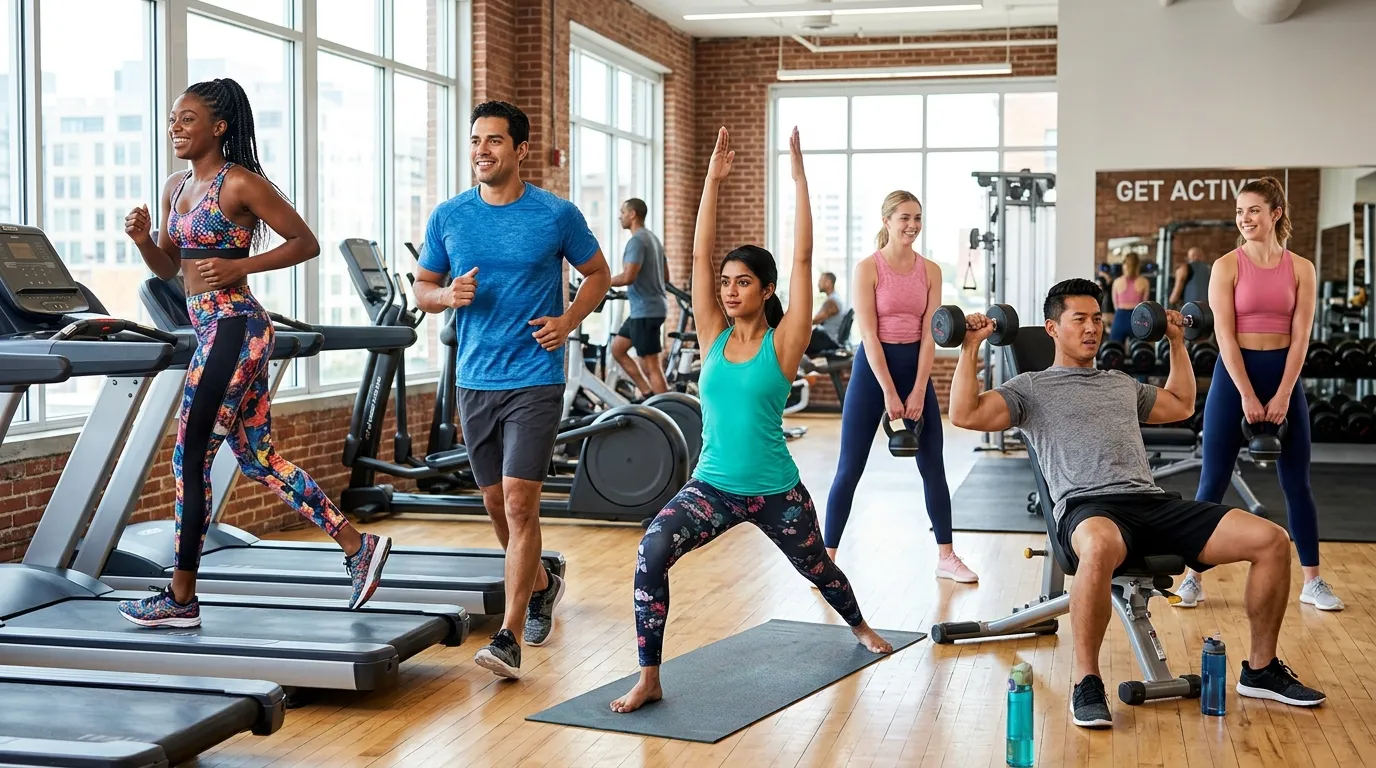
The right gear changes everything. Smart activewear tips for men and women help you move freely, stay dry, and look great from gym to street. Whether you run, lift, or flow through yoga, this guide breaks down fabric, fit, and styling choices that actually matter.
This guide covers everything you need to build a smarter activewear wardrobe. You’ll learn how to choose moisture-wicking fabrics, nail the right fit, layer for any climate, and match gear to your specific workout. We also compare men’s and women’s design differences, flag common mistakes, and share expert styling tips so you look sharp and perform your best.
Why Smart Activewear Choices Matter for Everyone
Your workout clothes do far more than cover you. They regulate temperature, manage sweat, reduce chafing, and support the movements your body makes hundreds of times per session. When your gear works with you instead of against you, every rep, mile, and stretch feels easier. That’s the real payoff of thoughtful activewear choices.
Performance is only half the story. The right athletic apparel also affects how you feel, and confidence fuels consistency. When you look good and move comfortably, you’re more likely to show up, push harder, and stay committed to your goals. Poorly chosen gym wear, by contrast, distracts you with riding-up waistbands, clingy sweat, or restrictive seams.
There’s also a safety dimension worth respecting. Clothing directly influences how your body handles heat and cold. As the CDC notes, dehydration and poor temperature regulation can quickly derail exercise performance, and your clothing plays a central role in that balance. Choosing breathable activewear for hot days and proper insulating layers for cold ones isn’t just about comfort; it protects your health during intense effort.
Finally, smart choices save money over time. Quality performance textiles resist odor, hold their shape, and last through hundreds of washes. Investing in a few well-made pieces beats replacing cheap gear every few months. Think of activewear as functional equipment, not disposable fashion, and your body and wallet both benefit.
Understanding Activewear Fabrics and Performance Textiles
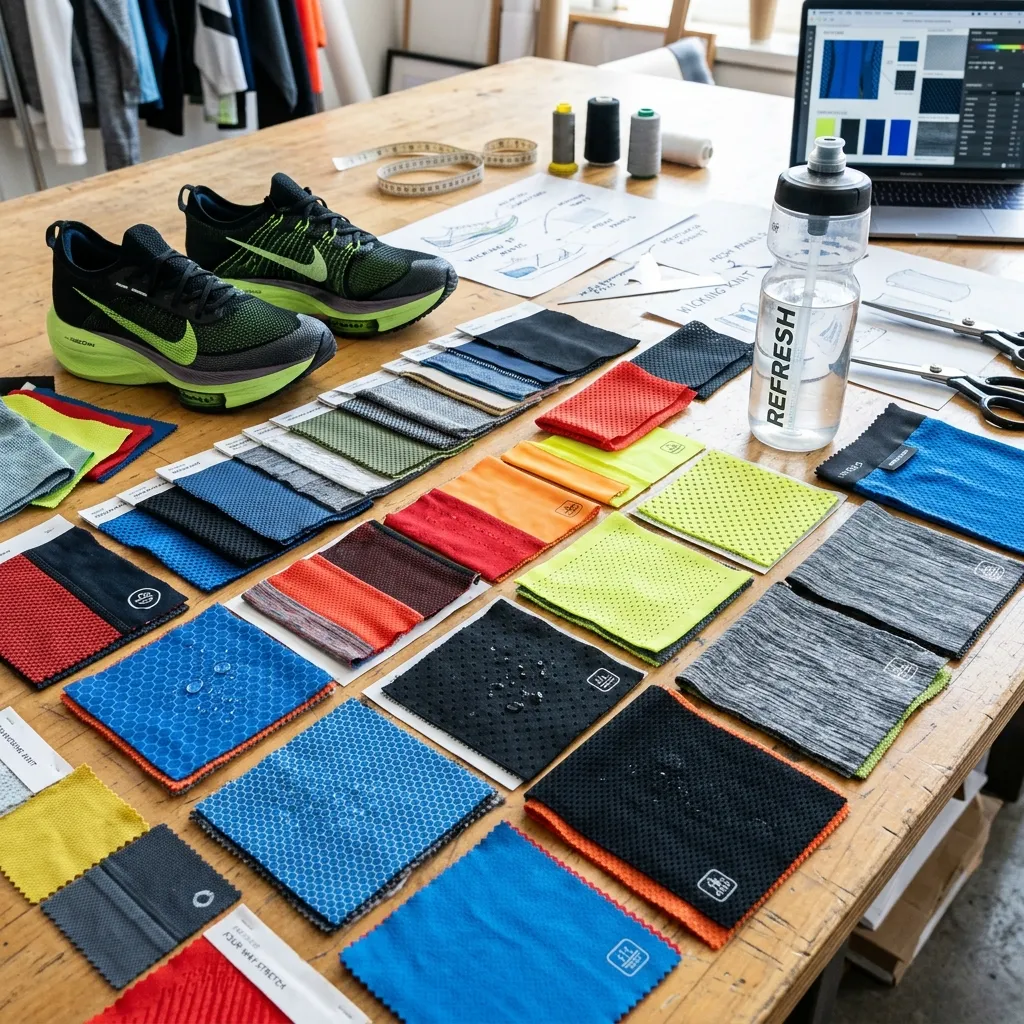
Fabric is the foundation of great activewear, and it separates gear that performs from gear that fails. Different materials handle sweat, stretch, and durability in very different ways. Understanding the basics helps you shop smarter and avoid frustrating purchases that never quite feel right during a workout.
Most modern performance textiles blend synthetic fibers for stretch and moisture management with occasional natural fibers for comfort. The key is matching the fabric to how hard you sweat and how much you move. Below is a quick breakdown of the materials you’ll encounter most often when shopping for workout outfits.
Common Fabric Types Explained
- Polyester blends: Durable, moisture-wicking, and quick-drying, making them the workhorse of most gym wear.
- Nylon (polyamide): Soft, strong, and breathable, often used in premium leggings and tops.
- Elastane (spandex/Lycra): Adds four-way stretch and shape retention, usually blended in at 10–25%.
- Merino wool: Naturally odor-resistant and temperature-regulating, ideal for cold-weather base layers.
- Cotton: Comfortable but absorbs sweat and stays wet, so it’s best avoided for intense sessions.
Moisture-Wicking and Breathability
The single most important feature in athletic apparel is moisture management. Moisture-wicking fabric pulls sweat away from your skin to the outer surface, where it evaporates quickly. This keeps you dry, prevents that heavy, clingy feeling, and reduces chafing during long efforts.
Breathability works alongside wicking to let heat and vapor escape. Look for mesh panels, open-knit constructions, and lightweight weaves in areas that heat up fast, like the underarms and back. During warm-weather training, breathable activewear can be the difference between a comfortable session and an overheated slog. Cotton fails here because it soaks up moisture and holds it against your skin, so save it for lounging rather than lifting.
How to Choose the Right Fit for Your Body
Fit determines whether your activewear helps or hinders you. Too tight, and you restrict movement or cut off circulation. Too loose, and fabric snags, bunches, or flaps distractingly. The sweet spot depends on the activity, your body shape, and personal preference, so it pays to understand the options before you buy.
Great fit also boosts confidence, which matters more than most people admit. When your gear moves with you and flatters your shape, you focus on your workout instead of tugging at your clothes. This is one area where trying pieces on, or ordering with easy returns, genuinely pays off. Never assume your size carries across brands, since athletic sizing varies widely.
Compression vs Relaxed Fit
Compression clothing fits snugly and applies gentle pressure to your muscles. Fans report improved support, reduced muscle vibration, and a streamlined feel during high-intensity work. It’s popular for running, weightlifting, and cycling. Relaxed or loose fits, meanwhile, prioritize airflow and freedom, making them ideal for warm-ups, casual training, and athleisure wear worn off the mat.
Neither option is universally better. Choose compression when you want support and a locked-in feel, and choose a relaxed cut when breathability and range of motion top your list. Many people build a wardrobe with both, matching the fit to the day’s demands.
Fit Tips by Body Zone
Pay attention to how gear fits at specific points. Waistbands should stay put during squats and bends without digging in or rolling down. Shoulders and armholes need room to reach overhead freely. Inseams on shorts and leggings should prevent chafing while allowing a full stride. A quick squat-and-reach test in the fitting room reveals problems fast, so move around before you commit.
Men’s vs Women’s Activewear: Key Design Differences
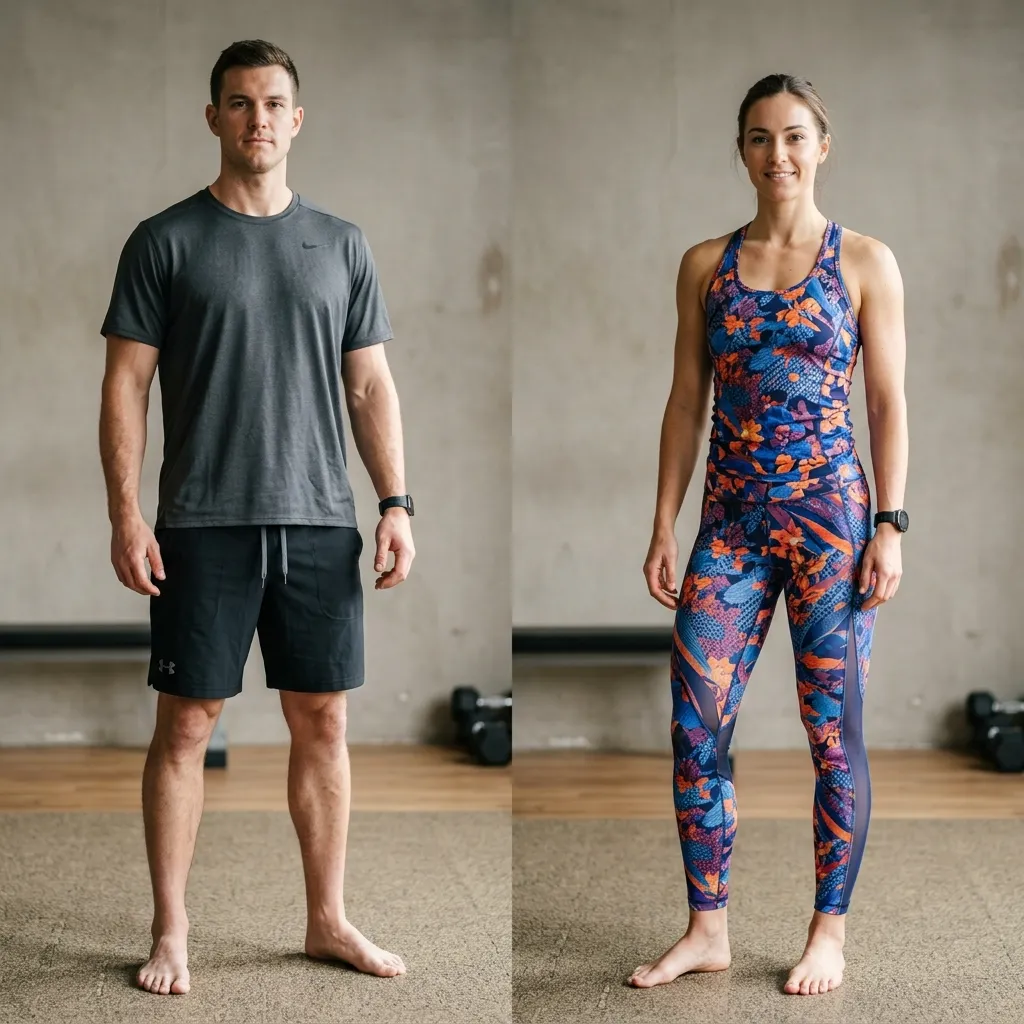
While both genders benefit from the same core technologies, men’s and women’s activewear differs in cut, support, and construction to match anatomical needs. Understanding these differences helps you shop the right section and avoid ill-fitting compromises. Unisex options exist, but purpose-built designs usually deliver better comfort and performance.
Women’s gear typically accounts for a narrower waist, wider hips, and chest support, often featuring sculpted waistbands and built-in bras. Men’s gear caters to broader shoulders and a straighter torso, with roomier cuts through the thighs and longer inseams. These aren’t arbitrary style choices; they reflect real biomechanical differences that affect how clothing performs during movement.
The table below summarizes the most important contrasts to keep in mind when building your workout wardrobe.
|
Feature |
Men’s Activewear |
Women’s Activewear |
|---|---|---|
|
Fit priority |
Broader shoulders, straighter torso, roomier thighs |
Narrower waist, wider hips, chest support |
|
Support |
Breathable, flexible shoulders; supportive briefs liners |
Built-in or layered bra support |
|
Fabric feel |
Often sturdier, structured for heavy training |
Often softer, stretchier for flexibility |
|
Shorts inseam |
Longer to prevent chafing and add coverage |
Shorter and lighter for airflow and range |
|
Legging opacity |
Standard |
Engineered squat-proof, non-transparent |
|
Common styles |
Tanks, tees, joggers, training shorts |
Sports bras, high-waisted leggings, sets |
The lines are blurring as designers embrace more inclusive, versatile cuts. Still, choosing gear designed for your body’s structure remains the smartest move for comfort and support. The goal isn’t rigid gender rules; it’s finding the construction that fits you best and lets you move without compromise.
Dressing for the Weather: Layering and Temperature Control
Where and when you train dramatically changes what you should wear. Clothing is your first line of defense against both heat and cold, and getting it wrong ranges from uncomfortable to genuinely dangerous. Mastering temperature control lets you train confidently in any season, indoors or out.
In hot conditions, prioritize lightweight, loose, light-colored breathable activewear that lets sweat evaporate and air circulate. Avoid heavy fabrics that trap heat. Hydration matters just as much as clothing here, since dehydration compounds heat stress. Pairing smart gear with steady fluid intake keeps your core temperature in check during summer sessions.
Cold weather demands a layering strategy. According to the American College of Sports Medicine, the ideal cold-weather system uses three layers: a breathable base that wicks moisture, an insulating middle layer for warmth, and a protective outer shell against wind and water. Crucially, ACSM notes a common mistake is starting exercise overdressed in resting-appropriate layers, which leaves you sweaty and then dangerously chilled once you stop.
A Simple Three-Layer System
- Base layer: Moisture-wicking merino or synthetic that pulls sweat off your skin.
- Middle layer: Fleece or insulating microfiber that traps body heat.
- Outer shell: Windproof, waterproof, breathable jacket, worn mainly during rest, not peak effort.
The CDC’s guidance on heat and cold illness reinforces this principle: staying dry by layering and quickly changing damp clothing prevents cold injury. Whether you face blazing sun or biting wind, matching your gear to the conditions protects both your comfort and your safety. Adjust layers as your body warms up, and always pack the shell for post-workout cooldowns.
Choosing Activewear for Specific Activities
Not all workouts demand the same gear. The forces, movements, and sweat levels of running differ wildly from those of yoga or heavy lifting. Matching your activewear to your activity maximizes comfort, performance, and durability. Think of it as choosing the right tool for the job rather than a one-size-fits-all approach.
Activity-specific design also protects your gear from premature wear. Fabrics engineered for stretch-heavy yoga may pill under a barbell, while rugged training shorts can feel bulky during a run. Investing in purpose-built pieces for your main activities pays off in both performance and longevity, especially if you train several times a week.
Running and Cardio
Running generates heat fast and demands unrestricted stride. Prioritize lightweight, breathable, moisture-wicking fabrics and fitted-but-not-tight cuts that won’t chafe over long distances. Reflective details matter for early or late outdoor runs. Many runners favor compression clothing for muscle support, while others prefer breezy shorts and singlets. Test both to see what keeps you cool and comfortable mile after mile.
Strength Training and Lifting
Lifting rewards durability and flexible support. Choose reinforced seams, four-way stretch fabrics, and cuts that allow deep squats and overhead presses without restriction. Squat-proof leggings and structured shorts shine here. Fabric that holds its shape under repeated stress lasts longer, so this is a smart place to invest in quality gym wear built to withstand heavy, repetitive movement.
Yoga and Pilates
Flexibility and comfort rule for mind-body practice. Soft, stretchy, second-skin fabrics move with you through every pose, while supportive waistbands stay put during inversions. Squat-proof, non-transparent leggings are essential for confidence in forward folds. Breathable tops that don’t ride up let you flow without adjustment, keeping your focus on breath and movement rather than your clothes.
The Rise of Athleisure: Style Beyond the Gym
Activewear has escaped the gym and become everyday attire. This trend, known as athleisure, blends performance features with everyday style, letting you transition from a workout to errands, coffee, or casual meetups without changing. It’s comfortable, versatile, and increasingly acceptable in relaxed social and even some work settings.
The appeal is obvious: performance fabrics feel fantastic all day, and modern cuts look polished rather than sloppy. Muted colors, clean silhouettes, and minimal branding elevate gym wear into genuine outfits. A pair of sleek leggings or tailored joggers can anchor a look that’s both relaxed and intentional, proving comfort and style aren’t mutually exclusive.
Styling Athleisure With Confidence
Building great athleisure looks comes down to balance and proportion. Pair fitted bottoms with a slightly looser top, or vice versa, to create a flattering shape. Layer thoughtfully with a clean jacket, overshirt, or structured hoodie to signal you dressed with intent. Footwear ties it together, so swap beat-up trainers for fresh, minimal sneakers when heading out in public.
Color discipline keeps things looking deliberate rather than accidental. Stick to a cohesive palette of neutrals with one accent, and avoid mixing clashing performance prints. The goal is an outfit that reads as considered, whether you’re actually working out or just embracing the comfort. Done well, athleisure delivers the versatility that makes activewear worth every dollar.
Caring for Your Activewear to Extend Its Life
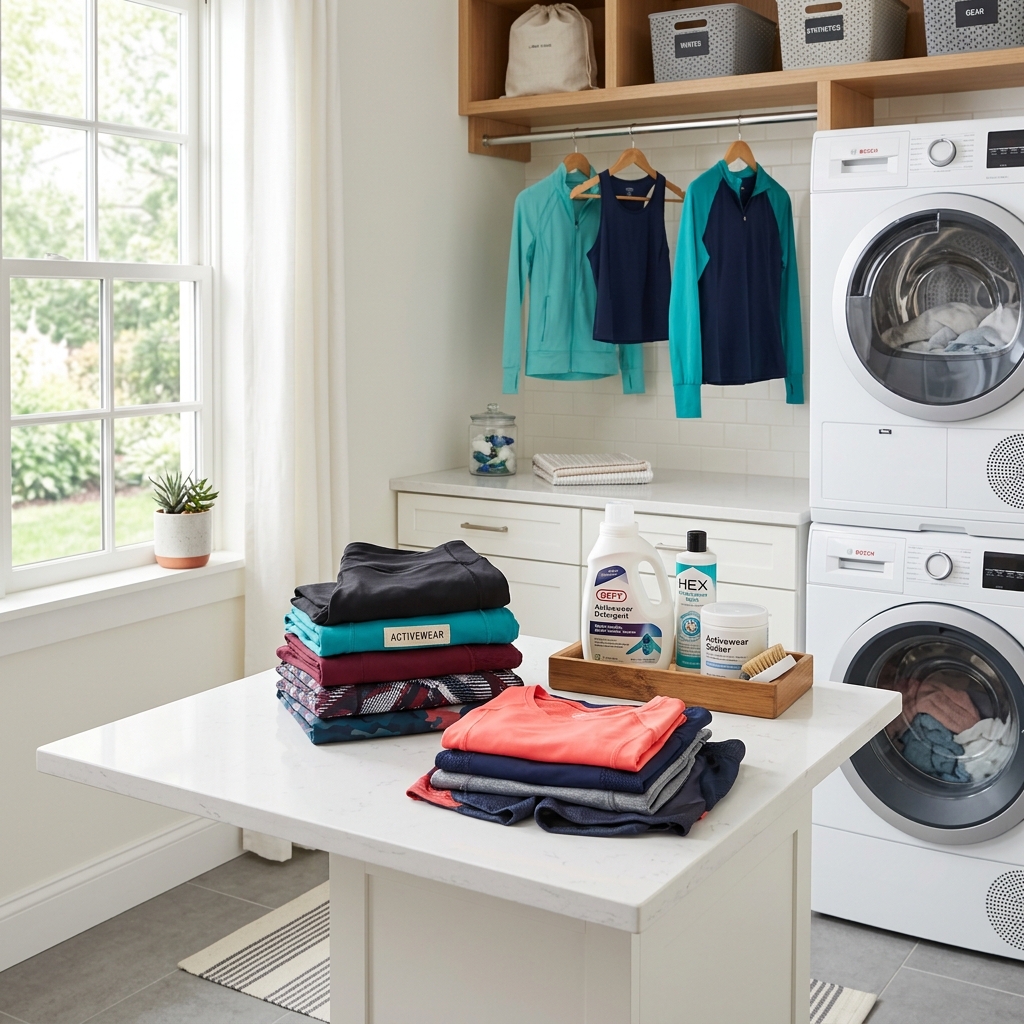
Great gear deserves proper care, and how you wash and store it dramatically affects performance and lifespan. Technical fabrics have special needs; treat them like regular laundry and you’ll strip away the very features you paid for. A few simple habits keep your workout outfits performing like new for years.
Sweat, oils, and bacteria break down performance textiles over time, so prompt, correct washing matters. Don’t let damp gear sit balled up in a bag, where odor and mildew take hold. Establishing a consistent care routine protects your investment and keeps your gear fresh, functional, and ready for your next session.
Washing Best Practices
Turn garments inside out to protect the outer surface and any printed details. Wash in cold water on a gentle cycle, which preserves elastane and prevents shrinkage. Use a mild detergent, and skip fabric softener entirely, since it coats fibers and destroys moisture-wicking ability. Wash technical gear separately from rough items like towels and denim that cause pilling and abrasion.
Drying and Storage
Air-drying is your best friend. High heat from dryers degrades elastane, weakens fibers, and shortens the life of your activewear. Hang or lay pieces flat to dry, away from direct heat sources. Once dry, store items folded or hung in a ventilated space rather than crammed damp into a gym bag. These small steps preserve stretch, shape, and odor resistance far longer than careless handling.
Common Mistakes to Avoid
Even seasoned gym-goers make avoidable activewear errors that undercut comfort and performance. Recognizing these pitfalls helps you shop and dress smarter, protecting both your workouts and your wallet. Steer clear of these frequent missteps and your gear will serve you far better.
First, don’t wear cotton for intense, sweaty workouts. It absorbs moisture, stays heavy and wet, and invites chafing and chills. Reach for moisture-wicking synthetics or merino instead. Second, avoid buying on looks alone. A gorgeous set that restricts your squat or rides up mid-run will sit unused, so prioritize function and fit over aesthetics every time.
Third, don’t ignore the fit test. Assuming your usual size fits across every brand leads to disappointment, since athletic sizing varies wildly. Always move, squat, and reach before committing. Fourth, resist overdressing in the cold. As ACSM warns, starting exercise in resting-level layers leaves you overheated and sweaty, then dangerously chilled once you stop. Layer smart and shed as you warm up.
Finally, don’t ruin technical fabrics with fabric softener or high-heat drying. These habits strip away wicking and elastane, killing the features you paid for. Wash cold, air-dry, and skip the softener. Avoiding these mistakes keeps your gear performing and looking its best for the long haul.
Pro Tips and Expert Insights
A handful of insider strategies separate a frustrating activewear wardrobe from a genuinely great one. These tips reflect how experienced athletes, coaches, and apparel pros actually approach their gear, and applying them puts you ahead of the curve.
Build a versatile core wardrobe first. Rather than chasing every trend, invest in a few high-quality, neutral pieces that mix and match across activities. A couple of great tops, versatile bottoms, and one solid outer layer cover most needs and simplify getting dressed.
Prioritize the fit test over the size label. Athletic sizing is inconsistent between brands, so always judge by how a piece moves on your body. Do a full squat, reach overhead, and check for opacity in leggings. Trust your movement, not the tag.
Match fabric weight to your climate and effort. Keep lightweight, breathable pieces for hot or high-sweat sessions and reserve insulating layers for the cold. Owning options for both extremes means you’re never caught overdressed or underprepared, echoing guidance from sports medicine experts on temperature control.
Invest where it counts, then protect it. Spend more on the pieces you use most, like running shoes or everyday leggings, then extend their life with cold washes and air-drying. Quality gear plus proper care delivers a low cost per wear that cheap, disposable options can never match.
Conclusion
Mastering activewear tips for men and women transforms how you train, feel, and look. Prioritize moisture-wicking fabrics, the right fit, smart layering, and activity-specific gear, then care for it properly to make it last. Ready to upgrade your wardrobe? Start with one versatile, high-quality piece today and feel the difference in your very next workout.
Frequently Asked Questions
1. What are the best activewear tips for men and women starting out?
Start with fabric and fit basics. Choose moisture-wicking synthetics or merino over cotton, prioritize a fit that moves freely through squats and reaches, and buy a few versatile neutral pieces before chasing trends. Match your gear to your main activity, layer smartly for the weather, and always do a movement test before purchasing to ensure genuine comfort and performance.
2. What fabric is best for workout clothes?
Polyester and nylon blends with elastane are the top choices for most workouts because they wick moisture, dry fast, stretch well, and resist odor. Merino wool excels for cold-weather base layers thanks to natural temperature regulation. Avoid cotton for intense sessions, since it absorbs sweat, stays heavy and wet, and causes chafing and chills during exercise.
3. What is the difference between men’s and women’s activewear?
Men’s activewear caters to broader shoulders, a straighter torso, and roomier thighs, often with longer shorts inseams and sturdier fabrics. Women’s activewear accounts for a narrower waist, wider hips, and chest support, featuring built-in bras, sculpted waistbands, and squat-proof leggings. Both use the same core technologies, but purpose-built cuts deliver better comfort and support than unisex options.
4. Should I wear compression or loose-fitting activewear?
It depends on your activity and preference. Compression clothing offers muscle support, reduced vibration, and a streamlined feel, making it popular for running, lifting, and cycling. Loose fits maximize airflow and freedom, ideal for warm-ups, casual training, and athleisure. Many people own both and match the fit to each day’s workout demands and weather conditions.
5. How should I dress for exercising in cold weather?
Use a three-layer system. Start with a moisture-wicking base layer, add an insulating middle layer like fleece, and top with a windproof, waterproof outer shell. According to ACSM, avoid starting exercise overdressed, since you’ll overheat and then chill once you stop. Shed layers as you warm up and wear the shell mainly during rest periods.
6. How do I stop chafing during workouts?
Choose seamless or flat-seam garments in moisture-wicking fabrics that keep skin dry. Ensure proper fit, since both too-loose fabric that rubs and too-tight seams cause friction. For running, fitted shorts or longer inseams help. Anti-chafe balms provide extra protection on long efforts. Staying dry is key, so avoid cotton, which holds sweat against your skin.
7. Is athleisure appropriate to wear outside the gym?
Yes. Athleisure blends performance fabrics with everyday style, making it perfect for errands, coffee, travel, and casual outings. To look intentional, pair fitted and loose pieces for balance, stick to a cohesive neutral color palette, layer with a clean jacket or hoodie, and swap worn trainers for fresh sneakers. Done thoughtfully, it reads as a deliberate outfit, not gym leftovers.
8. How often should I wash my activewear?
Wash activewear after every sweaty session to remove sweat, oils, and bacteria that break down fabric and cause odor. Don’t let damp gear sit in your bag. Turn items inside out, wash in cold water on a gentle cycle with mild detergent, skip fabric softener, and air-dry. This routine preserves moisture-wicking performance, stretch, and freshness far longer.
9. Why shouldn’t I use fabric softener on activewear?
Fabric softener coats synthetic fibers with a residue that blocks moisture-wicking and breathability, the exact features that make performance textiles work. It also traps odor over time. Instead, use a mild detergent, wash in cold water, and air-dry. For stubborn smells, an occasional soak in a vinegar-water solution refreshes fabric without damaging its technical properties.
10. How much should I spend on quality activewear?
Focus on cost per wear rather than sticker price. Invest more in pieces you use most, like everyday leggings or running shoes, since quality performance textiles last through hundreds of washes, resist odor, and hold their shape. A few well-made, versatile items outperform a closet of cheap gear that stretches out or wears through within months.
