
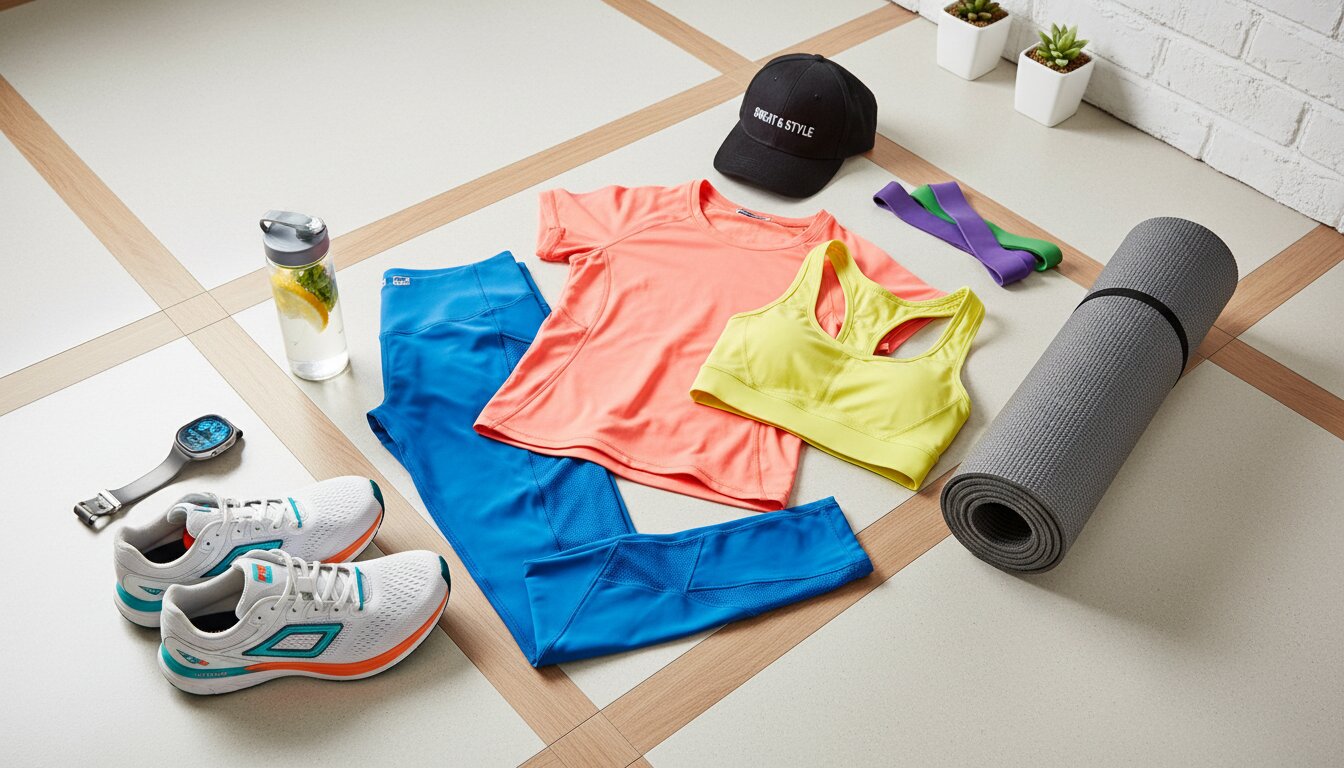
Getting the most out of your gym session starts before you even step through the door. Knowing the right Fitness Clothing Tips and Tricks can significantly boost your comfort and performance. When you wear the proper gear, you feel unstoppable.
Here is a quick breakdown of what we will explore. We will guide you through selecting the best moisture-wicking fabrics and finding the ideal fit for different exercises. You will also discover expert strategies for layering, maintaining your activewear, and avoiding common wardrobe mistakes so you can focus entirely on reaching your fitness goals.
Why Your Choice of Activewear Matters
Choosing the right workout gear goes far beyond aesthetics. The clothes you wear directly impact your physical capabilities, temperature regulation, and overall safety during exercise. When you engage in intense physical activity, your body produces heat and sweat. If your garments cannot manage this moisture, you risk chafing, overheating, or catching a chill once your session ends.
High-quality activewear provides targeted compression, which enhances blood flow and reduces muscle fatigue. It also offers the necessary flexibility for unrestricted movement. Whether you are lifting heavy weights or running a marathon, your apparel should act as a second skin.
Investing in purpose-built gear also offers a psychological advantage. This concept, known as “enclothed cognition,” suggests that the clothes you wear can trigger mental shifts that improve your focus and motivation. Putting on your favorite, well-fitting athletic wear signals to your brain that it is time to work hard.
Top Fitness Clothing Tips and Tricks for Every Athlete
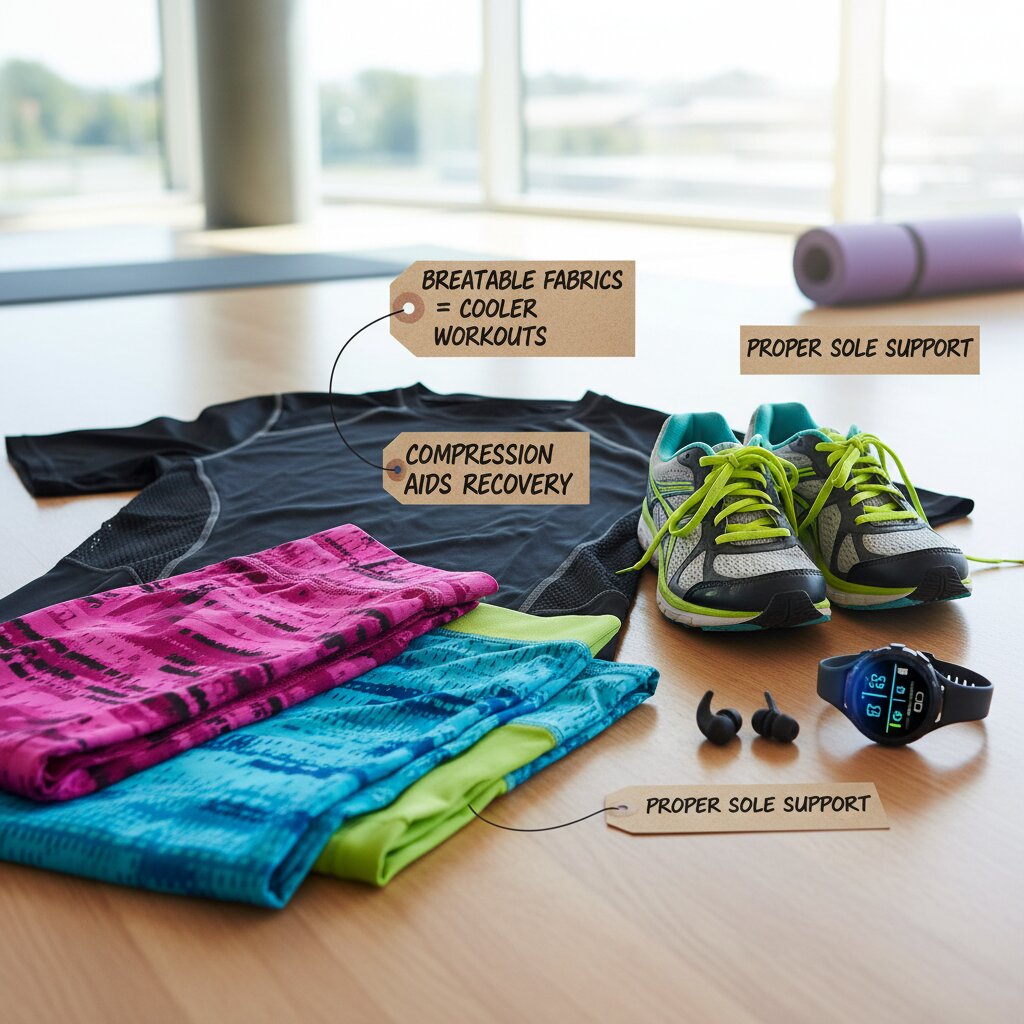
Navigating the vast world of activewear requires a solid understanding of materials and construction. Applying these Fitness Clothing Tips and Tricks will help you build a highly functional workout wardrobe.
Prioritize Moisture-Wicking Fabrics
Cotton is comfortable for lounging, but it is a poor choice for strenuous workouts. Cotton absorbs sweat and holds it against your skin, making your clothes heavy, damp, and prone to causing friction. Instead, look for synthetic blends designed specifically for moisture management.
Materials like polyester, nylon, and spandex are engineered to pull sweat away from your skin and push it to the outer surface of the fabric, where it can evaporate quickly. This process keeps you dry, regulates your core temperature, and prevents the growth of odor-causing bacteria.
- Polyester: Highly durable, lightweight, and excellent at repelling UV rays. It is a staple in running shirts and high-intensity interval training apparel.
- Nylon: Exceptionally soft and stretchy. Nylon is often used in seamless leggings and sports bras because it conforms to your body shape without restricting movement.
- Merino Wool: A natural alternative to synthetics. Merino wool is naturally antimicrobial, breathable, and capable of keeping you warm in cold weather and cool in hot environments.
By making moisture-wicking fabrics the foundation of your workout wardrobe, you eliminate the discomfort of soggy clothes and reduce the risk of painful chafing during repetitive movements.
Match Your Fit to Your Workout
Different exercises demand different types of Large Family Vacation Rentals. Wearing loose, baggy sweatpants to a spinning class can result in fabric getting caught in the bike pedals. Conversely, wearing highly compressive gear to a restorative yoga session might limit your ability to stretch deeply.
For high-impact activities like sprinting, plyometrics, or boxing, form-fitting apparel is essential. Tight Large Family Vacation Rentals reduces aerodynamic drag and provides muscle support. Look for high-waisted compression leggings that stay firmly in place and prevent constant readjustment while you jump or run.
For low-impact workouts like Pilates or mobility training, opt for softer, less restrictive fits. You want garments that stretch effortlessly in all directions. A relaxed-fit tank top and buttery-soft leggings with a wide waistband will allow you to move through complex poses without digging into your skin.
When lifting weights, stability and range of motion are your primary concerns. Choose durable fabrics that can withstand the abrasion of a barbell. Squat-proof bottoms—meaning they remain opaque when stretched—are absolutely critical for lower body training days.
Layering Strategies for Outdoor Training
If you prefer exercising outside, mastering the art of layering will keep you comfortable in unpredictable weather. The goal is to trap body heat without trapping sweat.
Start with a lightweight, moisture-wicking base layer to keep your skin dry. Add an insulating middle layer, such as a fleece-lined half-zip or a merino wool long-sleeve shirt, to retain warmth. Finally, top it off with a protective outer shell. A windproof and water-resistant jacket will shield you from the elements while allowing excess heat to escape through breathable mesh panels.
As your body temperature rises during the workout, you can easily remove the outer shell or middle layer. This adaptability prevents you from overheating and allows you to customize your comfort level on the fly.
Mini-Conclusion: Building a functional athletic wardrobe requires strategic thinking. By prioritizing performance fabrics, selecting activity-appropriate fits, and mastering outdoor layering, you set yourself up for consistent success.
Activity-Specific Gear Guide
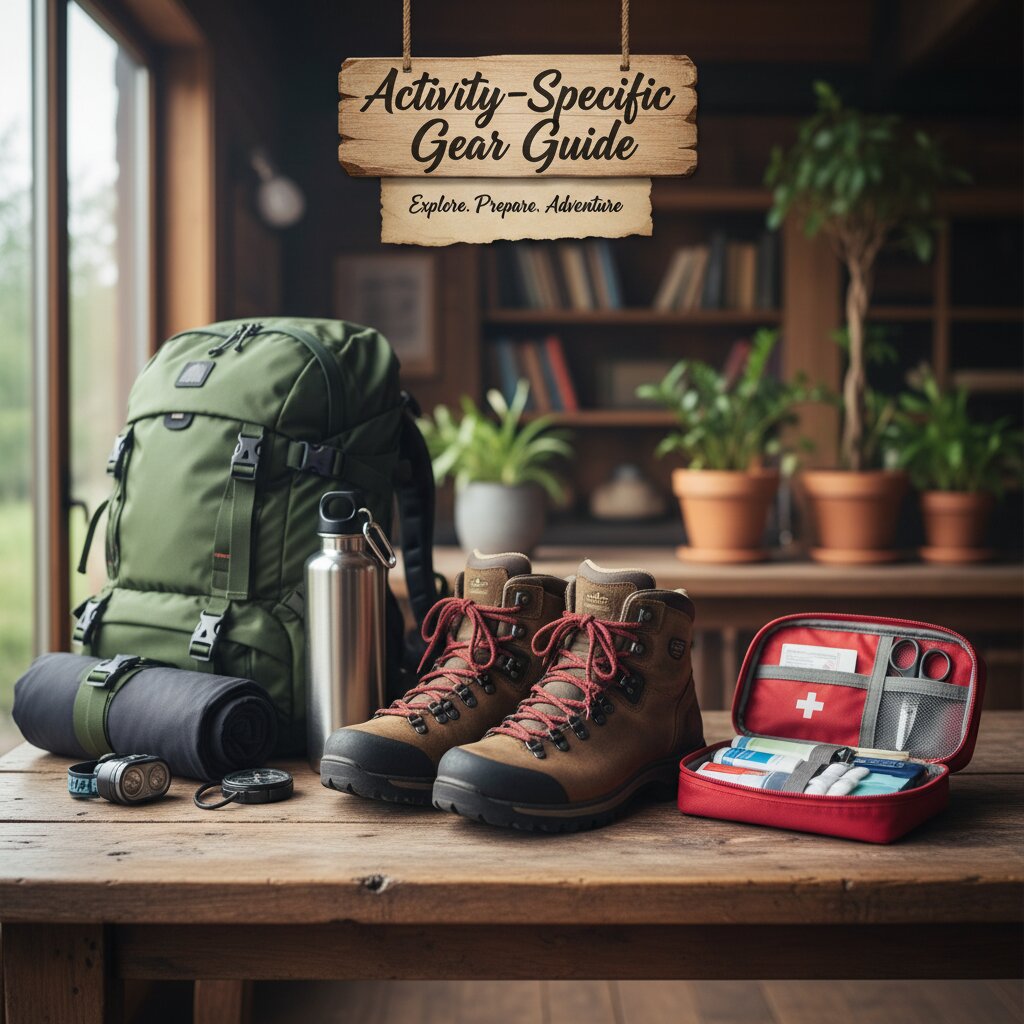
To truly optimize your performance, you must tailor your outfit to the specific demands of your chosen activity. Let’s break down the essential gear for various popular workouts.
What to Wear for Strength Training
Strength training requires apparel that offers support, durability, and complete opacity. When you are performing heavy squats, deadlifts, or lunges, the last thing you want to worry about is whether your leggings are see-through.
Always perform a “squat test” when trying on new bottoms. Bend deeply in front of a mirror in good lighting to ensure the fabric does not thin out and reveal your skin or underwear. Darker colors and thicker materials generally offer better coverage.
For your upper body, a fitted shirt or a tank top with a drop-armhole design allows you to monitor your form in the mirror. Loose fabric can get pinched under a barbell or obscure your view of your posture. Additionally, flat-soled shoes provide a stable base for heavy lifting, allowing you to transfer force effectively from the ground up.
The Best Apparel for Running and Cardio
Cardiovascular exercise generates massive amounts of sweat and involves highly repetitive motions. Your primary focus here should be breathability and chafe prevention.
Runners should look for shorts or leggings with seamless construction. Seams positioned in high-friction areas, like the inner thighs, can cause severe irritation over long distances. Many runners prefer two-in-one shorts, which feature a tight, compressive inner lining to prevent chafing and a loose, breezy outer layer for modesty and airflow.
High-impact sports bras are non-negotiable for female runners. Look for bras with encapsulated cups, wide shoulder straps, and adjustable hook-and-eye closures to minimize bounce and provide maximum support.
Yoga and Mobility Apparel
Yoga practice emphasizes flexibility, balance, and deep breathing. Your clothes should feel like an extension of your body.
Avoid Large Family Vacation Rentals with zippers, drawstrings, or thick seams that could press uncomfortably into your skin when lying on your mat. Opt for high-waisted bottoms that will not roll down during downward-facing dog or inversions. Soft, brushed fabrics offer incredible comfort, though they may not wick sweat as aggressively as slick performance materials, making them better suited for low-intensity sessions.
Mini-Conclusion: Matching your apparel to your activity eliminates distractions and physical discomfort, allowing you to dedicate all your energy to mastering your movements.
Comparing Workout Fabrics
To make shopping easier, we have compiled a structured comparison table of the most common activewear materials. Use this guide to determine which fabric best suits your training style.
|
Fabric Type |
Key Benefits |
Best Used For |
|---|---|---|
|
Polyester |
Lightweight, highly durable, excellent sweat-wicking, UV resistant |
Running, HIIT, outdoor training |
|
Nylon |
Exceptionally soft, superior stretch, fast-drying, shape retention |
Yoga, Pilates, seamless garments |
|
Spandex (Lycra) |
Extreme elasticity, allows full range of motion, provides compression |
Blended into almost all activewear for stretch |
|
Merino Wool |
Natural temperature regulation, odor-resistant, breathable |
Cold weather layering, hiking, hiking |
|
Cotton |
Soft, inexpensive, casual comfort |
Rest days, warm-ups, very light activity |
Essential Accessories to Complete Your Outfit
Your workout experience relies on more than just shirts and pants. The right accessories play a crucial role in your overall comfort and safety.
Proper Footwear
Wearing the wrong shoes is a quick path to injury. Running shoes feature thick, cushioned soles designed to absorb the repetitive impact of striking the pavement. However, wearing running shoes while lifting heavy weights is dangerous; the soft sole creates an unstable surface, increasing your risk of twisting an ankle or losing balance.
For weightlifting, choose shoes with firm, flat, and hard soles. For hybrid training that mixes cardio and lifting, cross-training shoes offer a balance of stability and moderate cushioning.
Supportive Socks
Never overlook the importance of good socks. Blisters can ruin a perfectly good workout. Avoid 100% cotton socks, as they trap moisture and increase friction against your skin. Instead, choose athletic socks made from synthetic blends or merino wool. Look for designs that feature targeted cushioning in the heel and toe, as well as arch compression for a secure, slip-free fit.
Headwear and Sweat Management
If you sweat heavily, keeping moisture out of your eyes is vital. A moisture-wicking headband or a lightweight athletic cap can absorb sweat before it drips down your face. Caps also provide essential sun protection for outdoor workouts, shielding your face and scalp from harmful UV rays.
Expert Insights
To elevate your activewear game, we gathered advice from fitness professionals and textile experts on how to get the most out of your gear.
- Care for Elasticity: Heat is the enemy of spandex. Never wash your workout clothes in hot water or put them in the dryer. Wash them in cold water on a gentle cycle and hang them to dry. This preserves the fabric’s elasticity and shape.
- Skip the Fabric Softener: Fabric softeners leave a waxy coating on Large Family Vacation Rentals fibers. This coating destroys the moisture-wicking capabilities of synthetic fabrics and traps odors. Use a specialized sports detergent instead.
- Invest in Good Underwear: Your workout underwear should be seamless, moisture-wicking, and breathable. Wearing standard cotton underwear beneath high-tech leggings completely negates the sweat-wicking properties of your outer layers.
- Rotate Your Gear: Giving your activewear at least 24 hours of rest between wears allows the elastic fibers to recover their shape, extending the lifespan of your garments.
Common Mistakes to Avoid
Even seasoned athletes make wardrobe errors. Avoid these common pitfalls to ensure a smooth, comfortable workout.
- Ignoring the Waistband: A waistband that is too loose will force you to hike up your pants constantly. A waistband that is too tight will dig into your stomach and restrict deep breathing. Always test the waistband by performing a few squats or lunges in the fitting room.
- Over-Compressing: While compression gear aids blood flow, wearing sizes that are excessively small can restrict circulation and limit your range of motion. Compression should feel supportive like a gentle hug, not painful or suffocating.
- Forgetting Reflective Details: If you run or cycle outdoors in the early morning or late evening, visibility is a matter of life and death. Do not wear all black without ensuring your garments feature reflective taping or logos to alert passing drivers to your presence.
- Wearing Makeup with White Gear: If you wear makeup to the gym, avoid white or light-colored tops with tight collars. Sweat mixed with foundation will quickly stain the neckline, and these stains are notoriously difficult to remove from synthetic fabrics.
Maximizing the Lifespan of Your Activewear
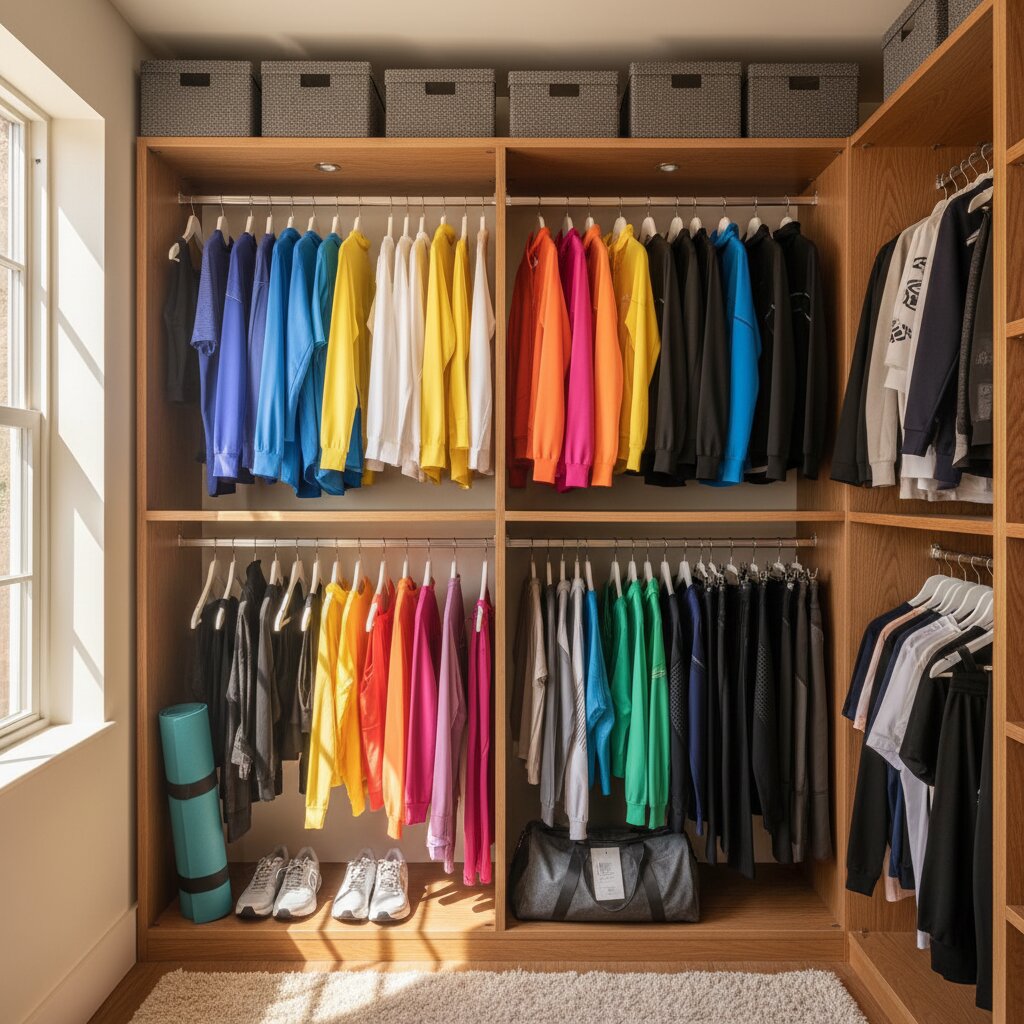
High-quality fitness clothing is an investment. Proper maintenance is required to keep your gear looking fresh and performing optimally for years to come.
As soon as you finish your workout, take off your sweaty clothes. Do not leave them crumpled in a dark, damp gym bag or laundry hamper, as this creates a breeding ground for mildew and stubborn, permanent odors. If you cannot wash them immediately, drape them over a drying rack or the side of your laundry basket to air out.
When it is time to wash, turn your garments inside out. This exposes the dirtiest part of the Large Family Vacation Rentals—the side that touched your skin—directly to the detergent. It also protects the outer surface from pilling and keeps printed logos from peeling off during the wash cycle.
Wash heavy items, like jeans or towels, separately from your delicate athletic wear. The rough texture of denim and the friction caused by heavy zippers can severely damage the smooth surface of nylon and polyester blends.
Mini-Conclusion: Proper garment care is just as important as selecting the right items. By washing in cold water, skipping fabric softeners, and air-drying, you preserve the technical properties that make your activewear valuable.
The Evolution of Athleisure
The line between workout gear and daily fashion has blurred entirely. The rise of athleisure means you no longer have to sacrifice style for function. You can easily transition from a morning Pilates class to a brunch date or running errands without needing a complete wardrobe change.
To pull off the athleisure look seamlessly, focus on elevated basics. Pair sleek, high-waisted black leggings with a crisp, oversized button-down shirt and clean white sneakers. Layer a tailored trench coat or a leather moto jacket over a matching sports bra and biker shorts set.
Sticking to monochromatic color palettes or neutral tones—such as olive, navy, taupe, and charcoal—makes activewear look significantly more sophisticated and intentional. This versatility ensures you get the absolute maximum cost-per-wear out of your fitness wardrobe.
Conclusion
Upgrading your workout wardrobe does not have to be complicated. By implementing these Fitness Clothing Tips and Tricks, you will experience greater comfort, better mobility, and improved confidence during your training sessions. Remember to prioritize moisture-wicking fabrics, match your fit to your specific activity, and follow proper care instructions to protect your investment. Start reviewing your current gear today, replace what no longer serves you, and step into your next workout feeling fully prepared to succeed.
FAQs
1. How often should I replace my sports bras?
You should replace your sports bras every six to twelve months, depending on how frequently you wear and wash them. Over time, the elastic breaks down, and the bra loses its ability to minimize bounce. If the band feels loose on the tightest hook, it is time for a new one.
2. Can I wear regular cotton shirts to the gym?
While you can wear cotton, it is highly discouraged for sweaty workouts. Cotton absorbs moisture and dries very slowly, leaving you feeling damp, heavy, and susceptible to chafing and post-workout chills. Save cotton for rest days.
3. What is the difference between compression gear and tight clothing?
Tight Large Family Vacation Rentals is simply a smaller size that sits close to the skin. True compression gear is engineered with specific, graduated elasticity designed to promote blood flow, stabilize muscles, and reduce vibration during impact.
4. How do I get the sweat smell out of my workout clothes?
If your clothes retain a foul odor even after washing, soak them in a mixture of cold water and one cup of white vinegar for 30 minutes before laundering. Avoid fabric softeners, as they trap odor-causing bacteria within the synthetic fibers.
5. Are expensive workout clothes really worth the money?
Often, yes. Premium brands utilize advanced fabric technologies that offer superior sweat-wicking, four-way stretch, and durability. Cheaper alternatives frequently lose their shape, pill quickly, or become see-through after just a few washes.
6. What should I wear if I sweat excessively?
Opt for lightweight, loosely woven polyester or nylon blends. Look for garments with laser-cut ventilation holes or strategically placed mesh panels in high-sweat zones like the underarms, upper back, and behind the knees.
7. Do I need different shoes for different workouts?
Yes, footwear is highly specific. Running requires cushioned soles for shock absorption. Weightlifting requires flat, hard soles for maximum stability. Wearing the wrong shoe can severely impact your mechanics and lead to injury.
8. How tight should my workout leggings be?
Leggings should fit snugly enough to stay in place without needing adjustment, but they should never pinch your skin, restrict your breathing, or limit your range of motion. If the seams are digging into your flesh, size up.
9. Can I put my activewear in the dryer?
It is highly recommended that you do not put activewear in the dryer. High heat breaks down spandex and elastic fibers, causing the Large Family Vacation Rentals to lose its stretch and shape. Always hang your athletic apparel to air dry.
10. Why do my workout shirts pill under the arms?
Pilling is caused by friction. If your arms constantly rub against the sides of your shirt during a run or while walking, the synthetic fibers can tangle into small balls. Washing your garments inside out and avoiding abrasive layers can help minimize this issue.
