

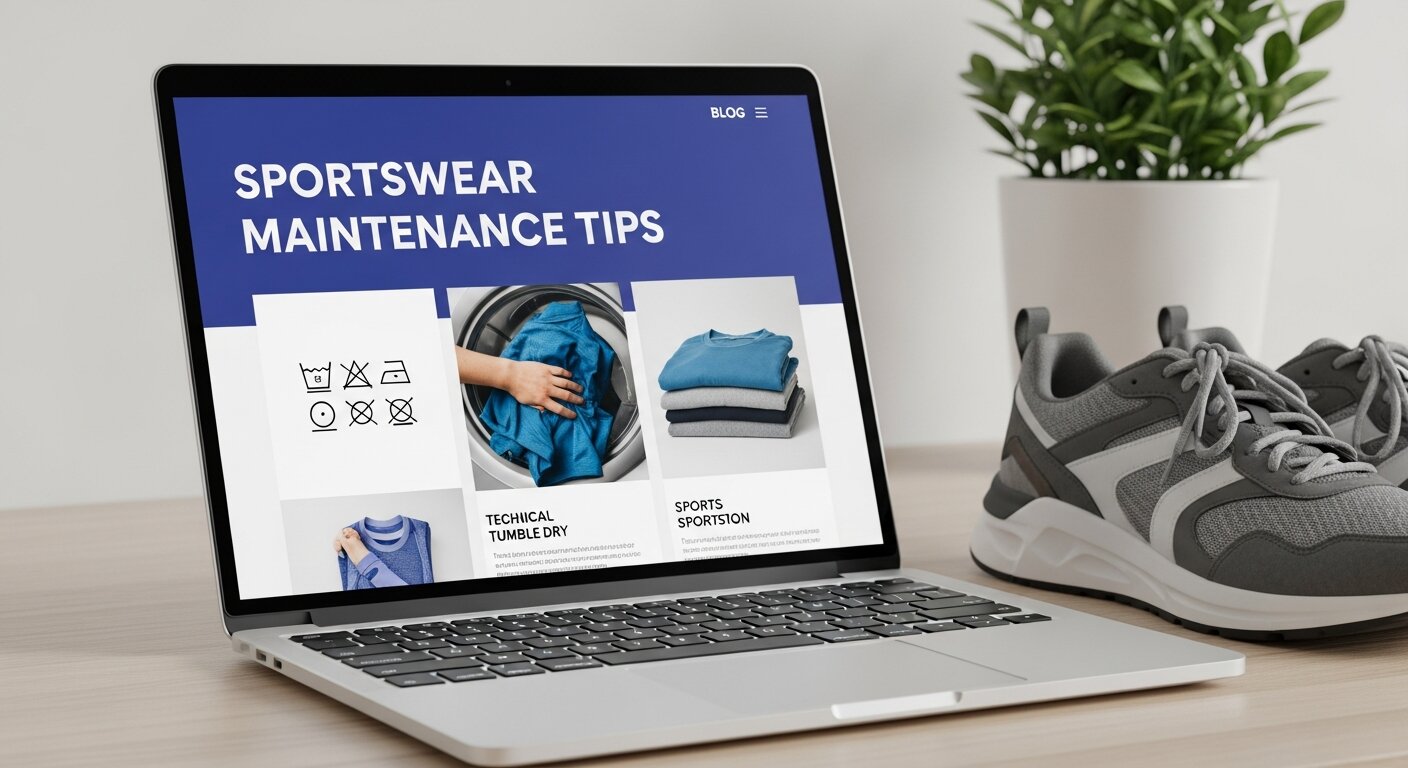
Are you tired of your expensive gym clothes losing their stretch and trapping bad odors? Proper care is essential for your athletic gear. Discover these essential sportswear maintenance tips to keep your activewear fresh, comfortable, and performing at its absolute best.
This comprehensive guide explores everything you need to know to protect your workout wardrobe. We cover pre-wash preparation, optimal washing techniques, proper drying methods, and common mistakes to avoid. By following these proven sportswear maintenance tips, you will extend the lifespan of your activewear, maintain its performance qualities, and save money in the long run.
Why Sportswear Maintenance Tips Matter for Performance
Investing in high-quality athletic apparel means you want it to last. When you apply effective sportswear maintenance tips, you protect the advanced fabrics designed to enhance your workout. Moisture-wicking materials, compression blends, and breathable synthetics require specific care routines to function correctly. If you neglect these fabrics, they quickly lose their elasticity, trap stubborn sweat odors, and degrade much faster than standard cotton clothing.
Understanding the science behind your workout gear is the first step. Synthetics like polyester and spandex feature tightly woven fibers. These fibers excel at pulling sweat away from your body, but their structure also acts like a magnet for body oils and bacteria. Regular laundry routines simply do not cut it. By adopting targeted sportswear maintenance tips, you ensure that your gear remains hygienic and supportive. Furthermore, properly maintained compression wear continues to promote healthy blood flow and muscle recovery, meaning your laundry habits directly impact your physical performance.
The True Cost of Poor Garment Care
Replacing premium workout clothes every few months quickly drains your wallet. When you ignore basic care guidelines, fabrics thin out and seams begin to tear under pressure. The accumulation of bacteria not only causes embarrassing smells but can also lead to skin irritation and body acne. Taking the time to master sportswear maintenance tips protects both your financial investment and your personal hygiene.
Pre-Wash Preparation and Hygiene Best Practices
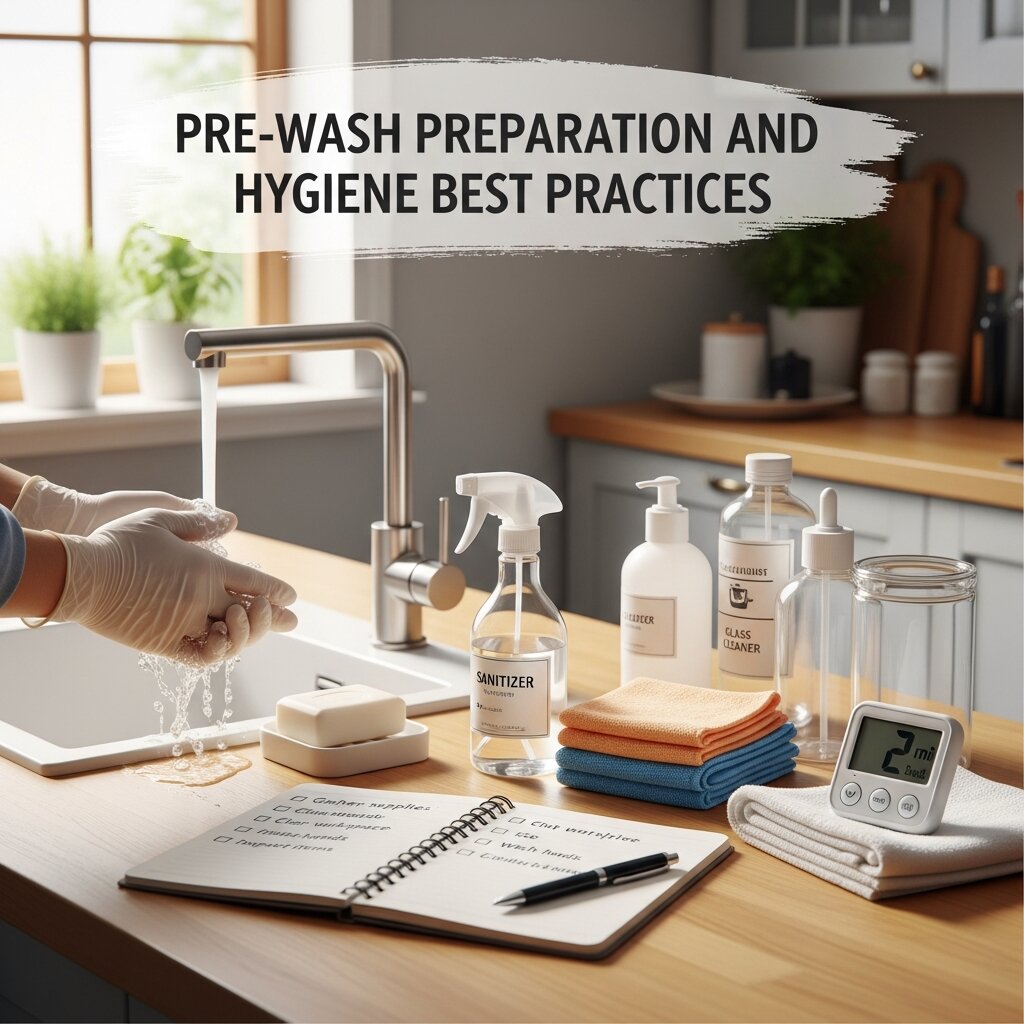
The most critical sportswear maintenance tips often apply before your clothes even touch the washing machine. How you handle your sweaty gear immediately after a workout dictates how well it will wash. Never toss damp, sweaty clothes into a dark hamper or leave them festering inside your gym bag. This creates the perfect breeding ground for odor-causing bacteria and mildew. Instead, hang your damp activewear over a drying rack or the edge of a laundry basket until it dries completely.
If you want to master gym bag hygiene, always remove your clothes the second you get home. Turn your garments inside out before placing them in the laundry pile. Since dead skin cells, body oils, and sweat accumulate on the inside of your clothes, turning them inside out allows the detergent and water to directly target the dirtiest areas during the wash cycle. This simple trick preserves the vibrant colors on the outside of your garments while maximizing the cleaning power on the inside.
Tackling Stubborn Odors Early
For gear that already harbors a lingering funk, pre-soaking is a lifesaver. Create a simple soak using one part white vinegar to four parts cold water. Submerge your gym clothes in this solution for about thirty minutes before washing them. The natural acidity of the vinegar breaks down trapped body oils and neutralizes bacteria without damaging the synthetic fibers. Incorporating this step into your sportswear maintenance tips ensures your clothes always come out smelling fresh.
Step-by-Step Washing Guide for Activewear
Executing the perfect wash cycle is the cornerstone of effective sportswear maintenance tips. You must treat activewear as delicate clothing, regardless of how tough it feels during a grueling workout. Always opt for cold water. Hot water breaks down the elasticity in spandex and lycra, leading to sagging waistbands and loose fits. Cold water cleans just as effectively when paired with the right detergent and prevents your clothes from shrinking or warping.
Choose a gentle, cold-water cycle on your washing machine. Heavy-duty cycles create too much friction, which causes pilling and degrades the fabric’s structural integrity. When loading the machine, separate your activewear from heavy items like denim jeans, thick towels, and garments with zippers or Velcro. These abrasive items will snag your delicate athletic fabrics and cause permanent damage.
- Use cold water exclusively to protect elasticity.
- Select a delicate or gentle cycle to minimize friction.
- Wash activewear separately from abrasive fabrics and towels.
Choosing the Right Detergent
Standard laundry detergents often contain thickeners and artificial fragrances that coat synthetic fibers. This coating traps odors and ruins the moisture-wicking properties of your gear. Instead, use a specialized sports detergent designed specifically to clean synthetic fabrics. If you cannot find a sports wash, use a small amount of mild, liquid detergent. Never use fabric softeners or bleach, as these chemicals destroy the fabric’s ability to breathe and stretch.
Comparing Laundry Solutions for Activewear
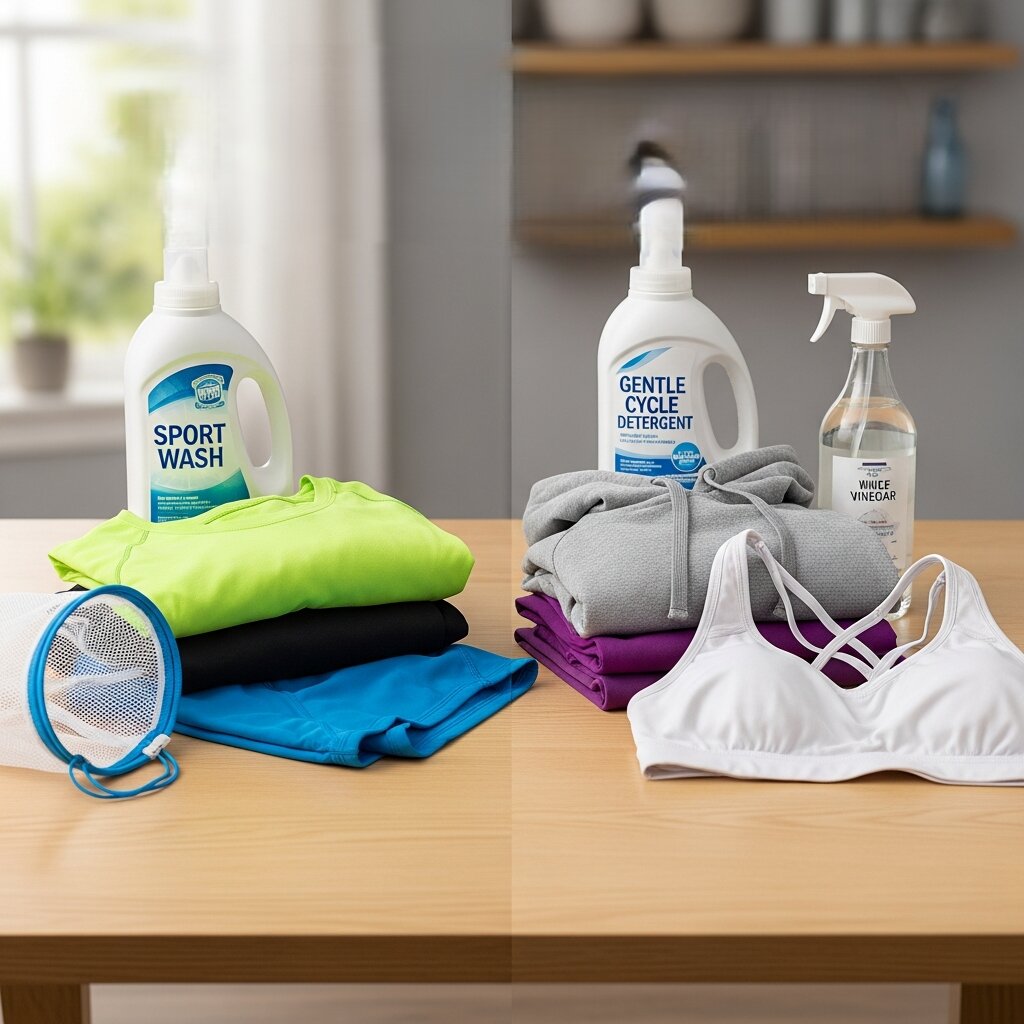
To better understand your options, let us look at how different cleaning agents impact your gear. Choosing the right product is one of the most vital sportswear sportswear maintenance tips you can learn.
|
Cleaning Agent |
Impact on Activewear |
Recommendation |
|---|---|---|
|
Standard Detergent |
Leaves residue, traps odors, blocks moisture-wicking. |
Avoid or use sparingly. |
|
Sports Detergent |
Breaks down oils, cleans synthetics without residue. |
Highly Recommended. |
|
Fabric Softener |
Coats fibers, destroys breathability and stretch. |
Never Use. |
|
White Vinegar |
Neutralizes odors, softens water naturally. |
Excellent for pre-soaking. |
Drying and Storing Your Workout Gear
The heat from a traditional tumble dryer is the ultimate enemy of athletic apparel. One of the non-negotiable sportswear maintenance tips is to avoid the dryer at all costs. High heat literally melts the elastic fibers in your clothing, ruining the fit and support of your sports bras, leggings, and compression shirts. Heat also bakes in any lingering smells, making them nearly impossible to remove in future washes.
Instead, air-dry your activewear. Lay heavy items flat on a clean towel to prevent them from stretching out of shape under their own weight. Lighter items can be hung on a drying rack in a well-ventilated room. Avoid placing them in direct sunlight for extended periods, as UV rays can cause the colors to fade and weaken the fabric over time. If you absolutely must use a dryer due to time constraints, select the lowest possible heat setting or the “air fluff” option, and remove the clothes while they are still slightly damp.
Proper Storage Techniques
How you store your gear also matters. Fold your heavy leggings and sweaters neatly and place them in a drawer. Hanging heavy stretch fabrics can cause the shoulders or waistbands to warp over time. Keep your closet cool and dry to prevent any latent moisture from turning into mildew. Don’t forget your workout shoe care routine as well—keep your shoes in a breathable space rather than locked in a dark closet to extend their lifespan alongside your clothing.
Common Mistakes to Avoid in Activewear Care
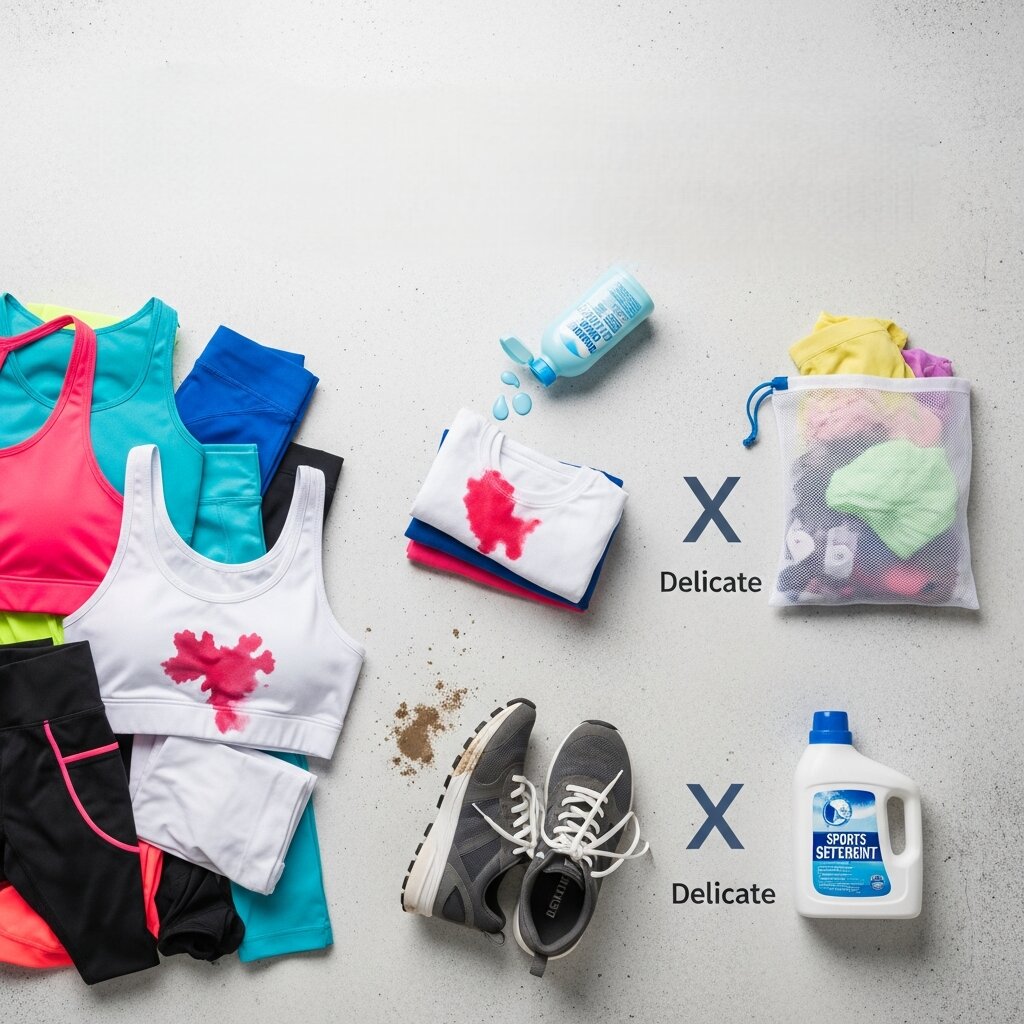
Even with the best intentions, many people accidentally ruin their gym clothes by making easily avoidable errors. Mastering sportswear maintenance tips requires knowing exactly what not to do.
The biggest mistake is using too much detergent. It is a common misconception that dirtier, smellier clothes require more soap. In reality, excess detergent does not rinse out fully. It leaves a soapy film on your clothes that actually attracts dirt and traps bacteria, making your clothes smell worse over time. Always use the recommended amount, or even slightly less, for your activewear loads.
Another common pitfall is ignoring the care labels. Manufacturers provide specific washing instructions for a reason. While general sportswear maintenance tips apply to most items, certain proprietary fabrics might have unique requirements. Always check the tag before washing a new piece of gear for the first time.
Pro Tips and Expert Insights for Longevity
To truly maximize the lifespan of your activewear, consider implementing these expert-level strategies into your routine. These advanced sportswear maintenance tips will keep your wardrobe in pristine condition.
Try washing your gear inside a mesh laundry bag. This provides an extra layer of protection against friction and prevents straps from getting tangled around the agitator in your washing machine. It is an inexpensive way to add years of life to your favorite sports bras and delicate tops.
Additionally, consider rotating your workout wardrobe. Wearing the exact same pair of leggings three times a week puts excessive stress on the fabric. By rotating between a few different outfits, you give the elastic fibers time to “rest” and snap back into their original shape between workouts and washes. This simple practice dramatically extends the durability of your entire athletic wardrobe.
Implementing these advanced techniques requires minimal extra effort but yields massive returns in how your clothes look, feel, and perform.
Conclusion
Taking care of your athletic apparel doesn’t have to be complicated. By washing in cold water, skipping the fabric softener, air-drying, and treating odors early, you protect your investment and your performance. Implement these sportswear maintenance tips today to keep your activewear fresh, supportive, and long-lasting. Ready to upgrade your routine? Start by deep-cleaning your gear with a vinegar soak this weekend!
FAQs
1. How often should I wash my activewear?
You should wash your activewear after every single use. Even if you did not sweat heavily, your body releases invisible oils and dead skin cells that break down synthetic fabrics over time. Consistent washing prevents bacteria buildup.
2. What are the best sportswear maintenance tips for removing sweat stains?
To remove yellow sweat stains, create a paste using baking soda and water. Gently rub the paste into the stained area and let it sit for thirty minutes before washing the garment in cold water with a specialized sports detergent.
3. Can I use bleach on my white gym clothes?
No, you should never use chlorine bleach on activewear. Bleach breaks down spandex and polyester fibers, causing them to lose their stretch. Instead, use oxygen-based brighteners or a white vinegar soak to keep white activewear looking bright.
4. Why do my clean gym clothes still smell bad?
If your clothes smell after washing, it is usually because fabric softener or excess detergent has trapped bacteria inside the fibers. Strip the clothes by soaking them in a mixture of water, baking soda, and vinegar before rewashing them without detergent.
5. Are there specific sportswear maintenance tips for sports bras?
Yes, sports bras require extra care. Always remove removable pads and wash them separately. Place the bra in a mesh lingerie bag to protect the straps, wash on a delicate cold cycle, and strictly air-dry to maintain the elastic support.
6. Is it safe to iron athletic clothing?
You should almost never iron activewear. The high heat from an iron will melt synthetic materials like nylon and polyester. If your clothes are wrinkled, hanging them in the bathroom while you take a hot shower will naturally steam the wrinkles out.
7. What is the best way to dry leggings quickly without a dryer?
To dry leggings fast, lay them flat on a large, dry bath towel. Roll the towel up tightly with the leggings inside and press down firmly to squeeze out excess moisture. Unroll and hang them on a drying rack; they will dry significantly faster.
8. Do sportswear maintenance tips differ for natural fabrics like merino wool?
Yes, merino wool requires different care than synthetics. While you should still use cold water and air-dry, you must use a wool-specific detergent. Unlike synthetics, merino wool is naturally odor-resistant and may not need to be washed after every single light use.
9. How do I prevent my workout clothes from pilling?
Pilling occurs due to friction. To prevent it, always turn your clothes inside out before washing, use a delicate cycle, and never wash activewear with abrasive items like towels, denim, or clothes with exposed zippers.
10. Can I wash my running shoes in the washing machine?
While some mesh sneakers can survive a gentle, cold wash in a mesh bag, it is generally safer to hand-wash athletic shoes. Use a soft brush with mild soap and water, and always air-dry them away from direct heat to preserve the shoe’s structural glue.
