

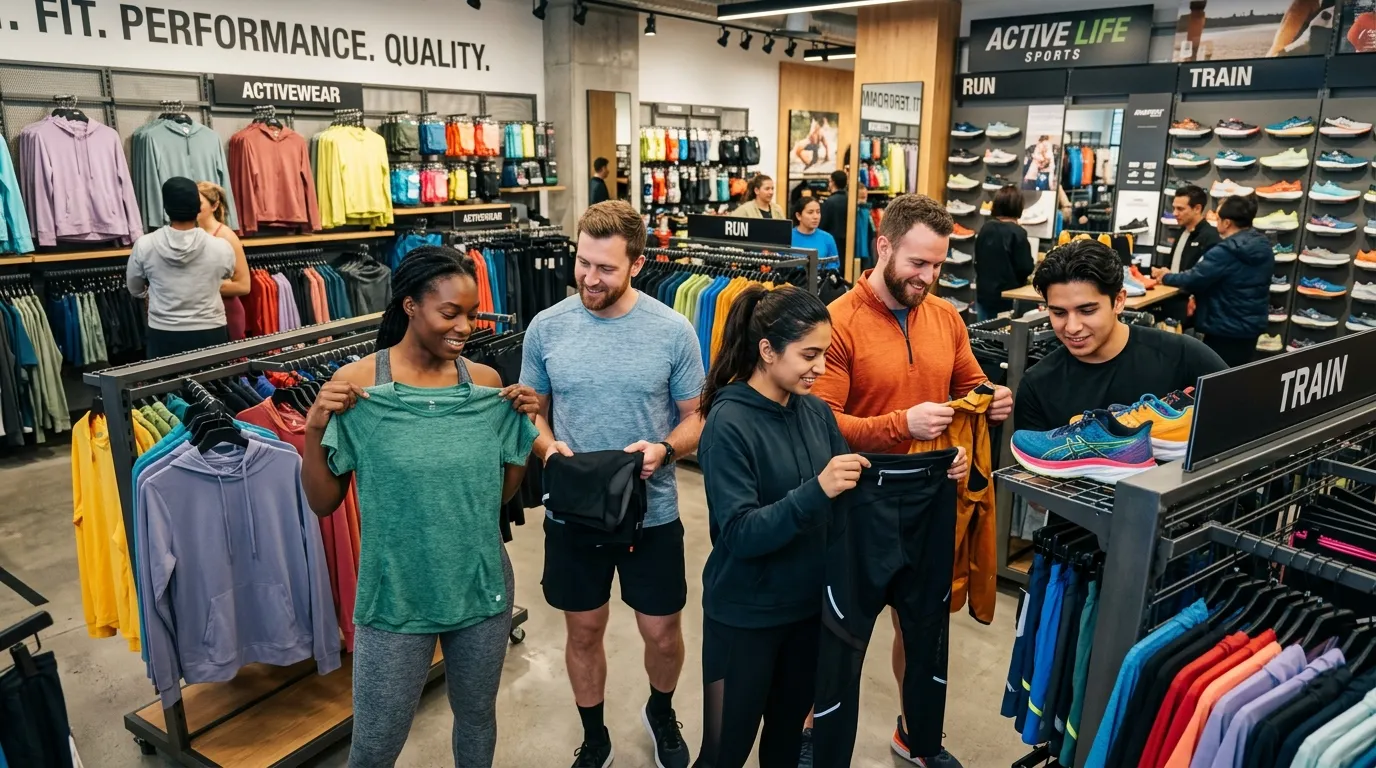
Starting a new fitness routine brings excitement, but figuring out how to pick athletic wear can quickly become overwhelming. You want clothing that looks great, feels comfortable, and performs flawlessly under pressure. This guide breaks down exactly what you need to know to build a functional, stylish, and high-performing workout wardrobe.
Choosing the right workout clothes requires balancing fit, fabric, and function. This comprehensive guide covers everything from identifying your body shape and matching fabrics to specific workouts, to selecting essential foundation pieces. You will discover actionable tips, avoid common buying mistakes, and learn how to invest in quality garments that elevate your exercise experience and boost your daily confidence.
Understanding the Importance of Proper Workout Gear
The clothes you wear to the gym do much more than simply cover your body. They directly impact your physical performance, your range of motion, and your psychological readiness to tackle a tough workout. Researchers in the Journal of Experimental Social Psychology coined the term “enclothed cognition” to describe the mental shift you experience when wearing specific clothing. Putting on high-quality athletic wear signals to your brain that it is time to work hard, instantly boosting your motivation and focus.
Beyond the mental benefits, proper fitness apparel protects your body. Ill-fitting clothes lead to painful chafing, while non-breathable fabrics trap heat and bacteria against your skin. By learning how to select the right pieces, you protect your skin, regulate your body temperature, and ensure that your garments support your movements rather than restrict them.
How to Pick Athletic Wear for Your Body Shape
The foundation of looking and feeling great in your workout clothes lies in understanding your unique body shape. When you dress for your proportions, you eliminate the distraction of constantly tugging at slipping waistbands or adjusting tight shoulder straps.
If you have a pear shape, carrying more weight in your hips and thighs, look for activewear that balances your proportions. High-waisted compression leggings provide excellent support for your lower half, while bright, patterned tops draw the eye upward. Those with an apple shape—carrying weight around the midsection—benefit from tops featuring ruched detailing or moisture-wicking tunics that drape comfortably over the stomach without clinging.
For hourglass figures, garments that highlight the natural waist work best. Form-fitting tops and matching sets flatter this shape beautifully. Rectangle body types, where the bust, waist, and hips measure similarly, can create the illusion of curves by selecting leggings with strategic color-blocking or tops with a slight peplum flare. Finally, inverted triangle shapes, characterized by broader shoulders, look fantastic in halter-style sports bras and leggings with bold prints that add volume to the lower half.
Building a solid foundation starts with checking a reliable sizing guide to ensure your measurements align with brand standards, as sizes vary wildly between different manufacturers.
The Science of Fabric: What Materials Matter Most
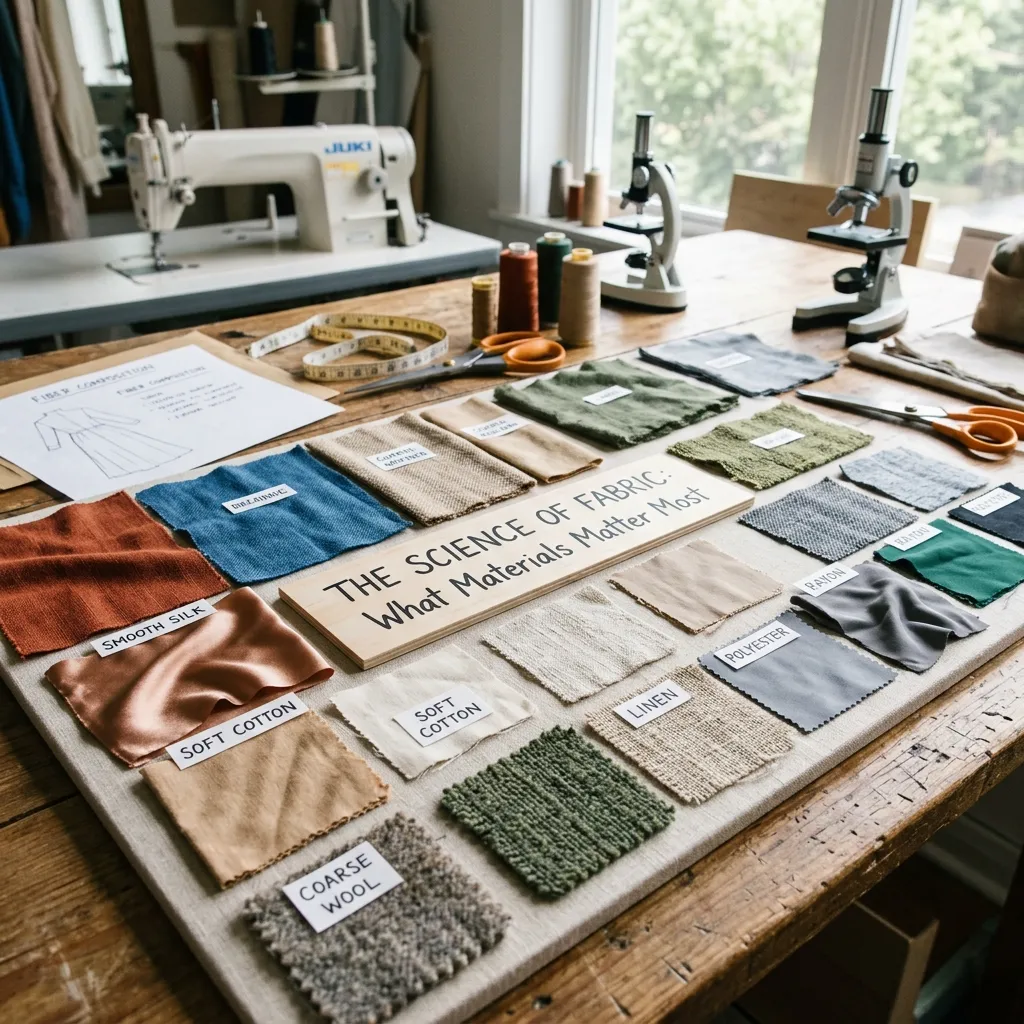
Fabric composition dictates how a garment behaves when you start to sweat. Selecting the wrong material can ruin an otherwise excellent workout. You need fabrics that move moisture away from your skin, stretch without losing their shape, and withstand frequent washing.
Synthetic Blends vs. Natural Fibers
Cotton feels incredibly soft and works well for lounging, but it is notoriously poor for intense exercise. Cotton absorbs up to 27 times its weight in water, meaning a heavy sweat session will leave you wearing a heavy, damp, and clingy shirt that takes hours to dry. This not only causes severe discomfort but also increases your risk of developing skin irritations.
Instead, prioritize synthetic performance fabrics. Polyester is the workhorse of the activewear industry. It is highly durable, lightweight, and inherently moisture-wicking. Nylon offers a smoother, softer feel than polyester while providing excellent breathability and stretch. Spandex (often known by the brand name Lycra) is essential for elasticity. Even a small percentage of spandex woven into a garment allows it to stretch in four directions and snap back to its original shape.
To make comparing these materials easier, review the breakdown below before you shop for your next outfit.
|
Fabric Type |
Key Characteristics |
Best Suited For |
Care Requirements |
|---|---|---|---|
|
Cotton |
Soft, highly absorbent, slow-drying |
Yoga, stretching, walking, lounging |
Machine wash cold, tumble dry low |
|
Polyester |
Durable, moisture-wicking, UV resistant |
Running, HIIT, outdoor sports |
Wash cold, avoid fabric softeners |
|
Nylon |
Exceptionally soft, stretchy, breathable |
Cycling, Pilates, indoor gym workouts |
Wash inside out, air dry preferred |
|
Spandex |
Extreme elasticity, form-fitting |
Compression gear, sports bras, leggings |
Do not iron, avoid high heat |
|
Merino Wool |
Naturally antibacterial, temperature regulating |
Hiking, winter running, base layers |
Gentle cycle, lay flat to dry |
Matching Your Apparel to Your Workout Intensity
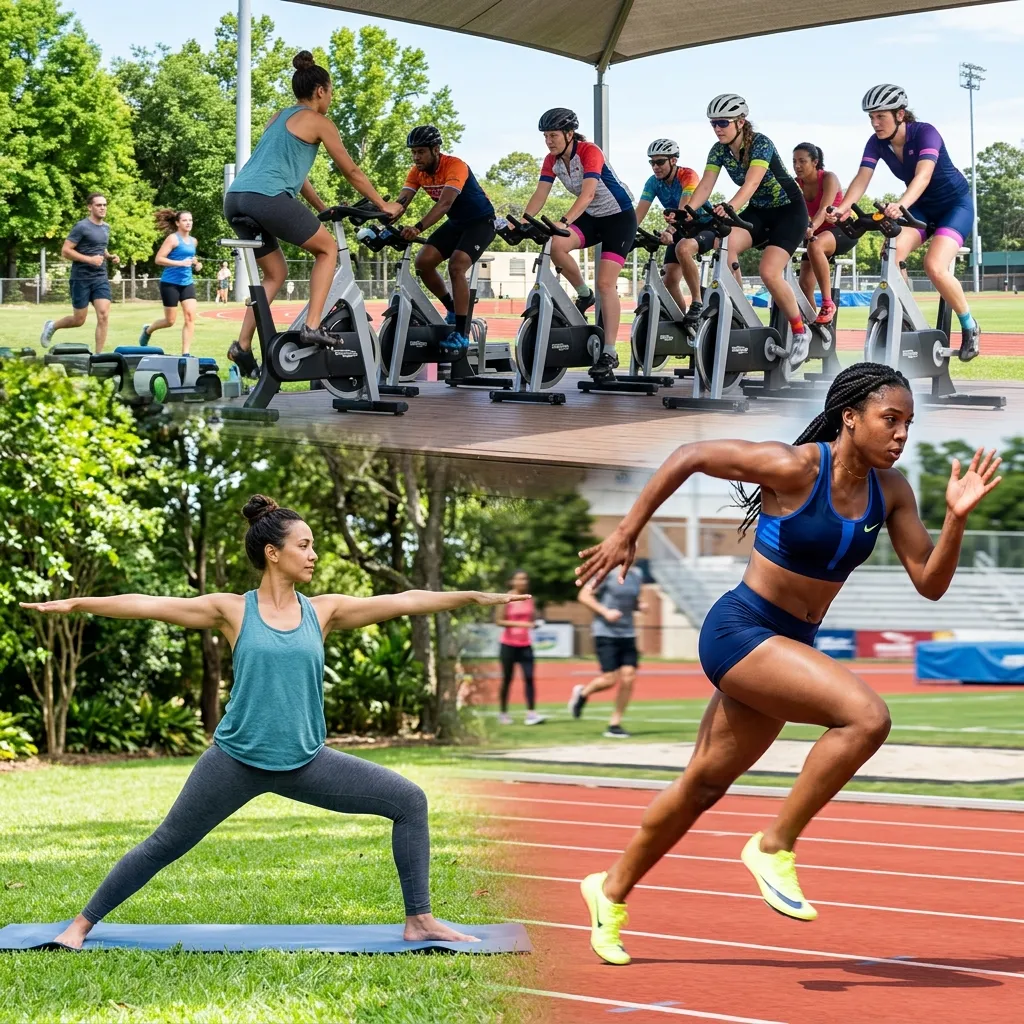
You would not wear heavy hiking boots to run a marathon, and the same logic applies to your clothing. Tailoring your wardrobe to your specific activity ensures maximum comfort and efficiency.
High-Impact Workouts: Running and HIIT
High-intensity interval training (HIIT) and running require garments that offer maximum support and rapid moisture management. During these activities, your body generates massive amounts of heat. Look for tops featuring mesh ventilation panels strategically placed down the back or under the arms.
Your lower half requires compression. High-quality compression leggings increase blood flow to your muscles, reduce muscle oscillation (the tiny vibrations that cause fatigue), and prevent painful thigh chafing. Furthermore, you need a high-impact sports bra featuring encapsulated cups rather than simple compression bands to protect delicate breast tissue from damage during repeated jumping and bouncing.
Low-Impact Workouts: Yoga and Pilates
Flexibility is your primary concern when selecting gear for yoga, Pilates, or barre classes. You spend a significant amount of time stretching, bending, and holding inverted poses. Rigid fabrics will restrict your movement and break your concentration.
Opt for buttery-soft, four-way stretch nylon blends. Your leggings should feature a seamless, high-rise waistband that will not dig into your stomach when you bend forward. Tops should be form-fitting; a loose t-shirt will slide up and cover your face the moment you transition into a downward dog pose.
Weightlifting and Strength Training
When hitting the weight room, durability takes precedence. You need fabrics that can withstand the friction of a barbell resting across your shoulders or your back sliding against a textured bench. Thicker polyester blends work exceptionally well here. Ensure your shorts or leggings are “squat-proof,” meaning the fabric remains completely opaque when stretched to its maximum capacity.
Essential Pieces Every Beginner Needs
Building your athletic wardrobe does not require buying everything at once. Start by investing in a few high-quality workout clothing essentials that you can mix and match.
- Two High-Support Sports Bras: Find bras with adjustable straps and wide under-bust bands. A proper fit prevents long-term ligament damage and eliminates upper back pain during exercise.
- Three Moisture-Wicking Tops: Mix up the sleeve lengths. Keep one tank top, one short-sleeve shirt, and one long-sleeve option for cooler days or air-conditioned gyms.
- Two Pairs of Squat-Proof Leggings: Choose versatile, dark colors like black or navy. Ensure they feature a wide, flat waistband and side pockets for holding your phone or gym card.
- One Lightweight Layering Jacket: A zip-up track jacket or light hoodie made from a polyester blend is perfect for warming up your muscles or running errands after your session.
Mastering the Art of Layering
Weather conditions fluctuate, and gym temperatures are notoriously unpredictable. Mastering the three-layer system ensures you stay comfortable regardless of your environment.
The base layer sits directly against your skin. Its sole purpose is moisture management. A snug, sweat-wicking tank top pulls perspiration away from your body. The middle layer provides insulation by trapping body heat. A lightweight fleece or merino wool quarter-zip serves this purpose beautifully during brisk morning runs. Finally, the outer layer protects you from the elements. A windproof and water-resistant shell jacket shields you from rain and biting winds without adding unnecessary bulk to your frame.
As you warm up during your workout, you can easily shed the outer or middle layers, tying them around your waist or tossing them in your gym bag.
Expert Insights and Pro Tips
Navigating the activewear market becomes much easier when you apply the strategies used by fitness professionals.
Always perform the “squat test” in the fitting room. Put on the leggings, turn your back to the mirror, and perform a deep squat. If you can see your underwear through the stretched fabric, leave those leggings on the rack. You want to focus on your deadlifts, not worry about your privacy.
Pay attention to seam construction. Traditional raised seams cause severe chafing during repetitive motions like running or cycling. Inspect the inside of the garments and look for “flatlock seams.” These lay completely flush against the fabric, creating a smooth surface that glides harmlessly over your skin.
Consider odor-resistant technologies. If you do a lot of high-intensity cardio, look for garments treated with silver or copper ions. These natural antimicrobial agents prevent odor-causing bacteria from multiplying in your sweaty clothes, keeping you smelling fresh even after the hardest workouts.
Common Mistakes to Avoid When Buying Activewear
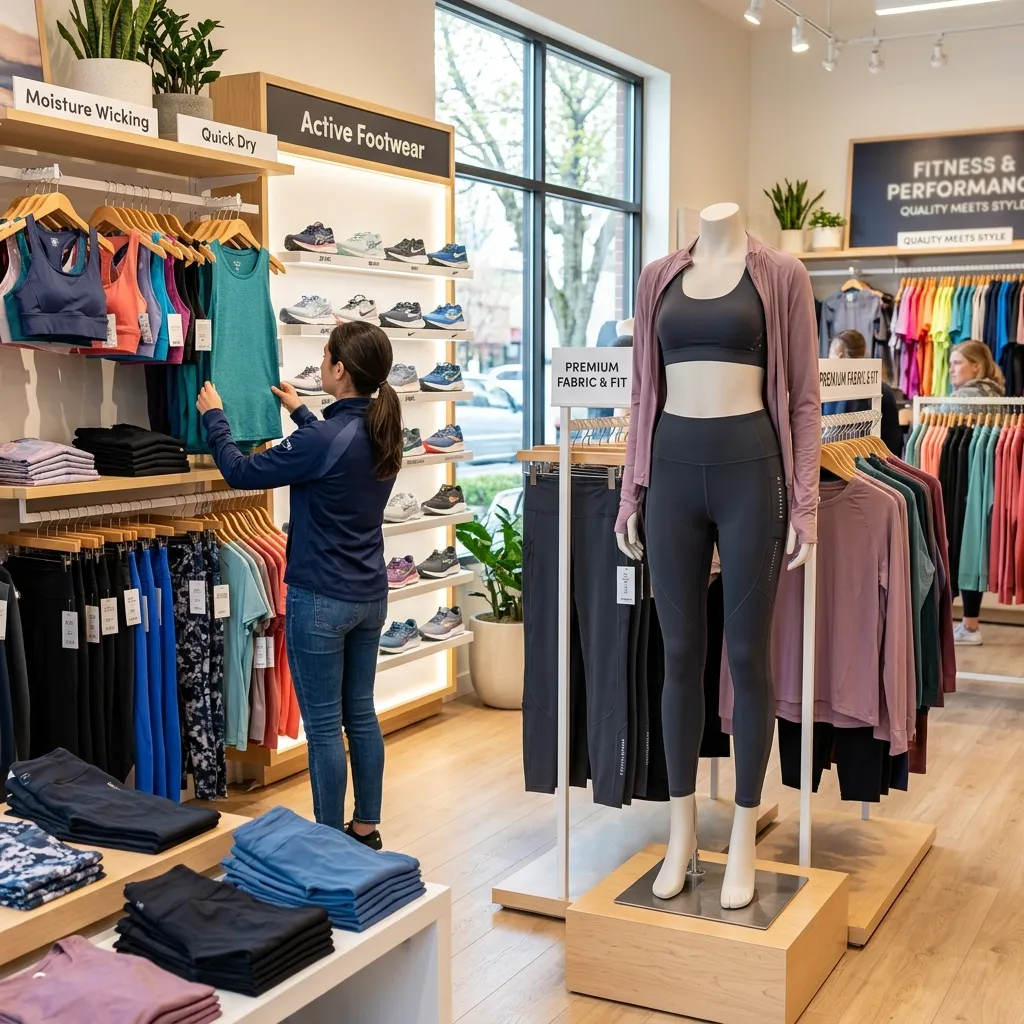
Beginners frequently waste money by falling into a few easily avoidable traps when selecting their fitness gear.
The most common mistake is prioritizing fashion over function. While strappy, intricate sports bras look beautiful on a mannequin, they often dig into your shoulders and provide zero support during a treadmill run. Always let the physical demands of your workout dictate the garment’s structure.
Another frequent error is ignoring the care instructions. Washing your high-tech leggings in hot water and tossing them in the dryer with fabric softener will destroy the spandex fibers and strip away the moisture-wicking chemical treatments. Always wash your gear in cold water, use a sport-specific detergent, and let the items air dry. Proper caring for activewear extends the life of your expensive garments by years.
Finally, do not buy clothes that are too tight in hopes they will “compress” your body. True compression gear is engineered strategically. Simply buying a shirt two sizes too small restricts your breathing, limits your range of motion, and causes intense discomfort. Buy your true size and let the fabric do the work.
Conclusion
Knowing how to pick athletic wear transforms your relationship with fitness. By taking the time to understand your body shape, prioritizing moisture-wicking fabrics, and selecting pieces tailored to your specific workout intensity, you set yourself up for success. You deserve clothing that works just as hard as you do. Take inventory of your current gym wardrobe, identify the gaps, and start investing in quality pieces that will elevate your performance today.
FAQs
1. How tight should my workout clothes be?
Your activewear should fit snugly enough to stay in place during rigorous movement but never so tight that it restricts your breathing or pinches your skin. You should be able to slide two fingers comfortably under the waistband of your leggings and the straps of your sports bra.
2. Can I just wear regular cotton t-shirts to the gym?
While you can wear cotton, it is highly discouraged for strenuous workouts. Cotton absorbs sweat heavily and dries very slowly. This leaves you feeling heavy, cold, and prone to chafing. It is best to reserve cotton for low-intensity activities like stretching or light walking.
3. How do I know if my leggings are actually squat-proof?
The best way to test this is in bright lighting. Put the leggings on, face away from a mirror, and bend over or squat deeply. If the fabric stretches to reveal your skin or underwear, they lack the necessary thickness and opacity for weightlifting or intense gym sessions.
4. What is the best fabric for excessive sweating?
Polyester and nylon blends are superior for heavy sweating. These synthetic materials are engineered to pull moisture away from your skin and push it to the surface of the fabric, where it evaporates rapidly into the air, keeping you dry and cool.
5. Why do my workout clothes smell bad even after washing?
Synthetic fabrics trap body oils and bacteria more stubbornly than natural fibers. Traditional laundry detergents often fail to break these down. To fix this, use a sport-specific enzyme detergent, avoid fabric softeners (which trap odors), and occasionally soak your gear in a mixture of cold water and white vinegar before washing.
6. Do I really need different clothes for different workouts?
Yes, matching your apparel to your activity significantly improves your experience. Baggy sweatpants are dangerous on a bicycle, and restrictive compression gear makes yoga incredibly difficult. Tailoring your wardrobe prevents injuries and enhances your range of motion.
7. How often should I replace my sports bras?
With regular use (wearing them two to three times a week), a sports bra typically loses its elasticity and structural integrity after six to eight months. If the band feels loose on the tightest hook, or if you experience breast pain during workouts, it is time for a replacement.
8. What is four-way stretch fabric, and why does it matter?
Four-way stretch fabric expands crosswise and lengthwise, allowing the garment to move seamlessly with your body in every direction. This is crucial for activities involving deep lunges, high kicks, and complex twists, ensuring the fabric does not tear or hold you back.
9. Should I size down in compression gear?
No. Compression garments are specifically engineered to provide targeted pressure at your true size. Sizing down will not give you better results; it will only cut off your circulation, restrict your breathing, and cause painful chafing. Always follow the manufacturer’s sizing chart.
10. Is expensive athletic wear always better than budget brands?
Not necessarily. While premium brands often use proprietary fabric technologies and advanced seam construction, many mid-tier and budget brands utilize the exact same polyester and spandex blends. Focus on reading fabric labels, inspecting the seams, and checking for opacity rather than just looking at the brand logo.
