


As environmental awareness grows, choosing eco-friendly sportswear has become essential for active individuals who want to make a positive impact. In today’s digital landscape, the rise of sustainable sportswear reflects a shift toward ethical production, responsible sourcing, and reduced carbon footprints. This year (2026), the activewear industry continues to adapt to consumer demand for products that not only deliver high performance but also protect natural ecosystems. From materials reinvented through cutting-edge technology to transparent supply chains that prioritize fair labor, eco-friendly sportswear is redefining how we engage with fitness and fashion.
Embracing eco-friendly sportswear means recognizing the hidden environmental costs of traditional apparel, which often relies on petroleum-based fibers, energy-intensive manufacturing, and wasteful disposal practices. By opting for sustainable alternatives, you support brands committed to circular design principles and reduced emissions. This guide will explore why sustainable sportswear matters, highlight innovative materials that combine performance with planet-friendly credentials, showcase leading labels championing change, and offer practical advice for building an eco-conscious wardrobe. Ready to align your fitness journey with environmental stewardship? Let’s dive into the essential insights and strategies for selecting top-tier, sustainable activewear today.
Why Sustainable Sportswear Matters
In recent years, the environmental footprint of traditional athletic apparel has come under scrutiny. Conventional sportswear production depends heavily on petroleum-derived polyester and nylon, which contribute to greenhouse gas emissions and deplete nonrenewable resources. Moreover, the discharge of dye chemicals and microplastics into waterways poses significant risks to marine life and human health. According to research from the U.S. Environmental Protection Agency, textile dyeing ranks among the largest polluters of water globally.
Today, active consumers are increasingly aware that every workout outfit has an environmental backstory. By choosing eco-friendly sportswear, individuals can help reduce plastic pollution. Recycled polyester, for example, diverts plastic bottles from landfills and transforms them into moisture-wicking performance wear. Organic cotton eliminates harmful pesticides and conserves water compared to conventional cotton farms. Even natural fibers like merino wool offer biodegradable alternatives that regulate temperature without synthetic coatings.
Beyond ecological benefits, sustainable sportswear drives positive social change. Brands that embrace fair labor practices and transparent supply chains ensure workers receive safe conditions and living wages. This approach counters the exploitative norms sometimes found in fast-fashion operations. In addition, closed-loop recycling programs and take-back initiatives enable end-of-life garment collection, reducing textile waste. Consumers who participate in these programs contribute to a circular economy that values resource efficiency.
In today’s market, certifications such as the Global Organic Textile Standard (GOTS) and bluesign® provide third-party verification of eco-credentials. Shoppers can look for these labels to ensure their purchases align with high environmental and social standards. When you invest in durable, ethically produced activewear, you support manufacturers committed to transparency and continuous improvement.
Ultimately, sustainable sportswear offers more than just style and comfort—it represents a commitment to planetary health. By choosing materials with lower environmental impact, embracing fair labor practices, and supporting circular design models, consumers can drive the activewear industry toward a more responsible future. The collective impact of eco-conscious decisions helps preserve ecosystems, protect communities, and inspire further innovation across the fashion world.
Innovative Materials Powering Eco-Friendly Performance
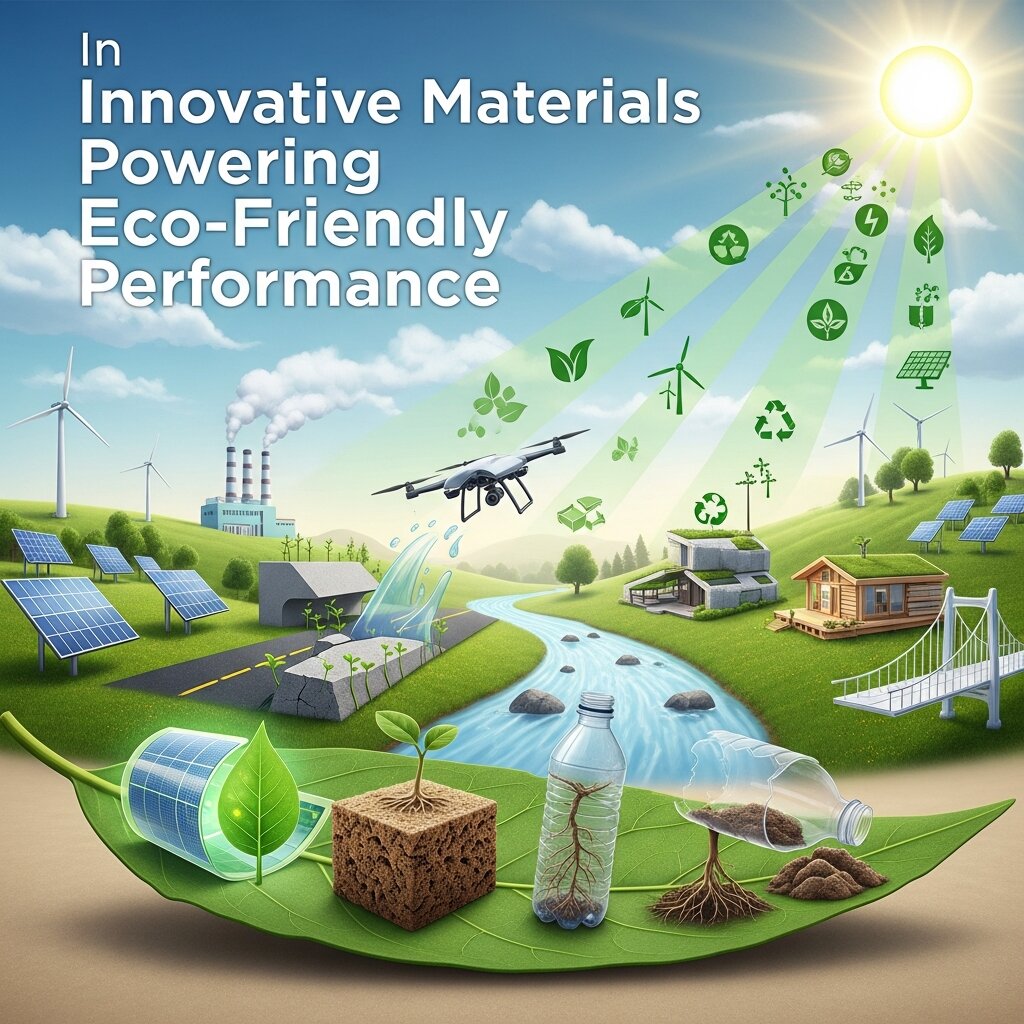
The foundation of eco-friendly sportswear lies in the fibers and fabrics that deliver performance while minimizing ecological harm. In today’s market, several materials have emerged as leaders in both sustainability and functionality.
Recycled Polyester
Recycled polyester is crafted from post-consumer plastic bottles and industrial PET waste. This process reduces reliance on virgin petroleum and cuts greenhouse gas emissions by up to 75%. The resulting fabric maintains the durability, stretch, and moisture-management properties athletes expect. Major research institutions, such as the United Nations Environment Programme, note that recycled polyester plays a critical role in mitigating microplastic pollution when combined with proper washing techniques.
Organic Cotton
Organic cotton is cultivated without synthetic pesticides or fertilizers, preserving soil health and promoting biodiversity. Compared to conventional cotton farming, organic methods can reduce water consumption by 20–30%. The breathable, soft nature of organic cotton makes it ideal for low-impact activities like yoga and Pilates, offering comfort without the environmental cost of chemical runoff.
Bamboo Viscose
Bamboo grows rapidly with minimal water and no need for replanting. When processed responsibly, bamboo viscose yields a silky-smooth fabric with natural antimicrobial properties. However, the environmental footprint hinges on closed-loop manufacturing. Shoppers should seek certifications such as FSC (Forest Stewardship Council) to ensure responsible raw-material sourcing.
Tencel™ (Lyocell)
Produced from sustainably harvested wood pulp, Tencel™ uses a closed-loop solvent recovery system that recycles more than 99% of the processing chemicals. The result is a soft, breathable fiber that wicks moisture effectively. Tencel™ has earned recognition from the European Union for its low ecological impact during production.
Merino Wool
Merino wool is a renewable, biodegradable fiber known for its excellent temperature regulation and odor resistance. When sourced from mulesing-free farms certified by organizations such as ZQ Merino, this natural fiber meets high standards for animal welfare and land stewardship. Merino wool gear is particularly prized for outdoor activities and cold-weather training.
By understanding the science behind each material, consumers can select activewear that balances performance needs with environmental priorities. Eco-friendly sportswear today emphasizes both function and sustainability, ensuring that athletes can push their limits without compromising the planet.
Top Eco-Conscious Brands to Watch
This year (2026), a growing number of companies are leading the charge in sustainable activewear. These brands combine innovation, transparency, and ethical values to redefine what it means to perform responsibly.
Patagonia
Patagonia has long been a pioneer in environmental activism. The company utilizes recycled fabrics and supports repair and reuse through its Worn Wear program. With commitments to donate 1% of sales to grassroots conservation efforts, Patagonia exemplifies how business success can translate into real-world impact.
Girlfriend Collective
Girlfriend Collective focuses on inclusivity and traceability. Their leggings and tops are made from recycled water bottles and fishing nets, produced in Fair Trade–certified facilities. The brand openly shares factory details and material sources, fostering consumer trust and accountability.
Allbirds
Originally recognized for eco-friendly footwear, Allbirds has expanded into performance apparel using Tencel™, merino wool, and eucalyptus fiber blends. The company emphasizes carbon-neutral journeys through carbon offset programs and transparent footprint reporting.
Adidas x Parley
The Adidas collaboration with Parley for the Oceans turns marine plastic into high-performance gear. The Parley Ultraboost shoe, for instance, incorporates upcycled ocean waste in both its upper and outsole, demonstrating the potential of circular recycling.
Vuori
Vuori blends premium performance with sustainable practices, using responsibly sourced materials and PFC-free durable water repellent (DWR) coatings. Their yoga and training collections balance comfort, style, and eco-credentials.
Outdoor Voices
Outdoor Voices promotes a “buy less, wear more” philosophy, crafting versatile activewear in neutral tones. Many pieces feature recycled nylon and polyester, allowing consumers to mix performance with everyday streetwear.
These brands illustrate that eco-friendly sportswear can excel in functionality, style, and ethics. By supporting companies committed to transparency, fair labor, and closed-loop production, today’s consumers drive positive change and signal that sustainability is integral to the future of activewear.
Certifications and Best Practices for Your Eco-Friendly Wardrobe
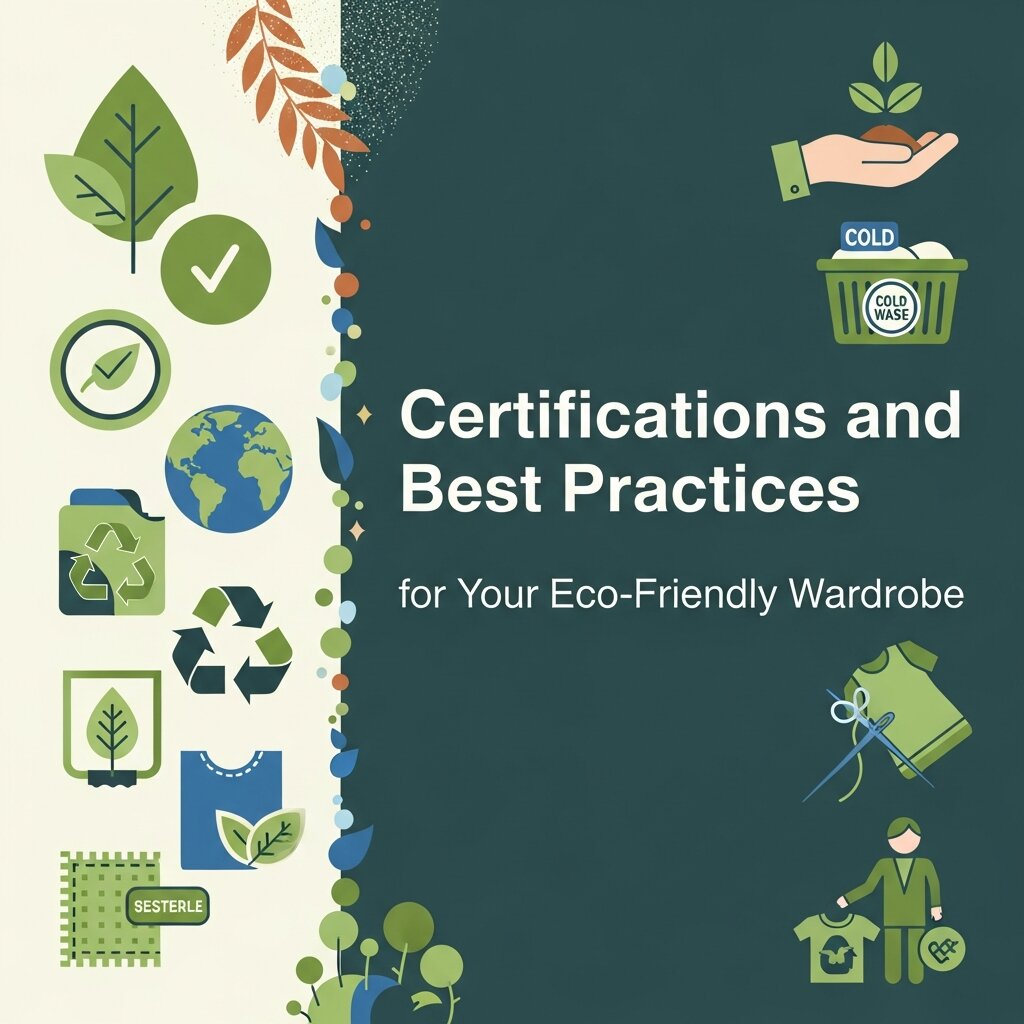
Understanding certifications and best practices empowers you to make informed choices and extend the life of your eco-friendly sportswear.
Key Certifications
Global Organic Textile Standard (GOTS): Ensures organic fiber content and oversees ecological and social criteria across the supply chain.
bluesign®: Verifies responsible chemical use, reduced water consumption, and worker health and safety.
OEKO-TEX® Standard 100: Tests for harmful substances in textiles, guaranteeing product safety.
Fair Trade Certified™: Supports equitable wages and safe conditions for farmers and factory workers.
Forest Stewardship Council (FSC): Certifies that wood-based fibers originate from responsibly managed forests.
Washing and Maintenance
Proper care extends garment lifespan, reduces environmental impact, and prevents microplastic pollution. Wash activewear in cold water with gentle, eco-friendly detergents. Using a microfiber filter or a Guppy friend-style washing bag can capture plastic fibers before they enter wastewater systems, addressing concerns highlighted by the EPA.
Repair, Upcycle, and Reuse
Invest in simple repairs—sewing small tears, replacing broken zippers, or reinforcing seams—to keep pieces functional longer. Transform outdated leggings into shorts or repurpose worn tops as cleaning rags. These DIY solutions mitigate waste and honor the principles of a circular economy.
Secondhand Shopping and Rental Services
Platforms like Depop, Poshmark, and local consignment shops offer pre-loved activewear at reduced prices. Rental services allow you to test new styles without contributing to overproduction. By engaging with secondhand markets, you extend the useful life of garments and minimize resource consumption.
Balancing Investment, Style, and Future Trends

While eco-friendly sportswear can carry a premium due to sustainable materials and ethical manufacturing, mindful purchasing and strategic choices can enhance value over time.
Cost Considerations
Calculate cost-per-wear by factoring in durability, performance benefits, and potential resale value. Take advantage of off-season sales, end-of-line discounts, and brand loyalty programs. Students and environmentally focused organizations often qualify for special pricing.
Styling and Versatility
Modern sustainable pieces blur lines between gym and streetwear. Neutral tones—black, gray, and navy—pair effortlessly with everyday outfits. Layer moisture-wicking tops under casual jackets, or mix statement prints with minimalist accessories crafted from recycled materials.
Emerging Innovations
Bio-based materials such as lab-grown spider silk, mycelium leather, and algae-derived fabrics are gaining traction. Advanced chemical recycling methods aim to regenerate virgin-quality fibers from old garments, closing the production loop. Blockchain-based digital product passports promise transparent supply chains, while custom 3D knitting technologies enable on-demand manufacturing that reduces waste.
By staying informed about these advancements, consumers can support brands at the forefront of innovation. Shopping mindfully and embracing long-lasting, multifunctional pieces helps ensure that eco-friendly sportswear remains a sustainable choice today and beyond.
Conclusion
Today, eco-friendly sportswear represents a powerful intersection of performance, ethics, and environmental stewardship. By embracing materials like recycled polyester, organic cotton, and Tencel™, and supporting brands that prioritize transparency and fair labor, consumers can drive meaningful change in the activewear industry. Incorporating certifications such as GOTS, bluesign®, and OEKO-TEX® into your purchasing decisions ensures adherence to high sustainability standards. Practical care routines—cold washing, microfiber filtering, and strategic repairs—extend garment life and reduce waste.
Balancing investment in high-quality pieces with versatile styling options and emerging trends like bio-based fabrics and closed-loop recycling further amplifies your eco-conscious impact. As you curate an eco-friendly athletic wardrobe this year, remember that each thoughtful choice contributes to a healthier planet. Your commitment to sustainable sportswear today will shape the future of fitness fashion and inspire others to join the movement toward a more responsible, circular economy.
Frequently Asked Questions
1. What defines eco-friendly sportswear?
Eco-friendly sportswear is designed using sustainable materials, ethical production methods, and reduced environmental impact processes. It avoids harmful chemicals, minimizes waste, and often includes recycled or organic fabrics. These garments aim to deliver performance while protecting ecosystems, supporting fair labor practices, and promoting long-term environmental responsibility.
2. Why is sustainable activewear important today?
Sustainable activewear reduces the harmful effects of traditional textile production, including pollution and resource depletion. As environmental awareness grows, consumers seek clothing that aligns with eco-conscious values. Choosing sustainable options helps lower carbon emissions, conserve water, and support ethical labor practices across global supply chains.
3. Is recycled polyester truly sustainable?
Recycled polyester is considered more sustainable than virgin polyester because it repurposes plastic waste like bottles. It reduces landfill accumulation and lowers energy consumption during production. However, it can still release microplastics, so proper washing methods and filtration systems are recommended to minimize environmental impact.
4. How does organic cotton benefit the environment?
Organic cotton is grown without synthetic pesticides or fertilizers, which protects soil health and biodiversity. It typically uses less water than conventional cotton farming and avoids toxic chemical runoff. This makes it a safer and more environmentally responsible option for producing comfortable, breathable sportswear.
5. What certifications should I look for in sustainable sportswear?
Look for certifications like GOTS, bluesign®, OEKO-TEX®, and Fair Trade Certified™. These labels ensure environmental safety, ethical labor practices, and responsible sourcing. Certifications provide transparency and help consumers confidently choose products that meet high sustainability and quality standards across the supply chain.
6. Are eco-friendly sportswear brands reliable?
Many eco-conscious brands prioritize transparency, ethical manufacturing, and high-quality materials. They often disclose sourcing, production processes, and environmental goals. Brands like Patagonia and others have built trust through sustainability initiatives, making eco-friendly sportswear a reliable choice for both performance and long-term use.
7. How can I make my sportswear last longer?
Extend your sportswear lifespan by washing in cold water, using gentle detergents, and air drying. Avoid over-washing and repair minor damages promptly. Proper care reduces wear and tear, maintains performance features, and minimizes environmental impact by decreasing the need for frequent replacements.
8. Is eco-friendly activewear worth the higher cost?
Although eco-friendly activewear may cost more upfront, it offers better durability and long-term value. Calculating cost-per-wear often reveals savings over time. Additionally, investing in sustainable products supports ethical brands and reduces environmental harm, making it a worthwhile investment for conscious consumers.
9. Can sustainable sportswear be stylish and versatile?
Yes, modern sustainable sportswear blends functionality with style. Many brands offer versatile designs suitable for workouts and casual wear. Neutral colors, minimalist aesthetics, and high-performance fabrics allow consumers to create fashionable, multi-purpose outfits without compromising environmental values.
10. What future trends are shaping sustainable sportswear?
Future trends include bio-based fabrics, recycled fiber innovations, and circular production systems. Technologies like 3D knitting and blockchain tracking enhance sustainability and transparency. These advancements aim to reduce waste, improve efficiency, and create fully recyclable garments, shaping a more responsible future for the activewear industry.
