

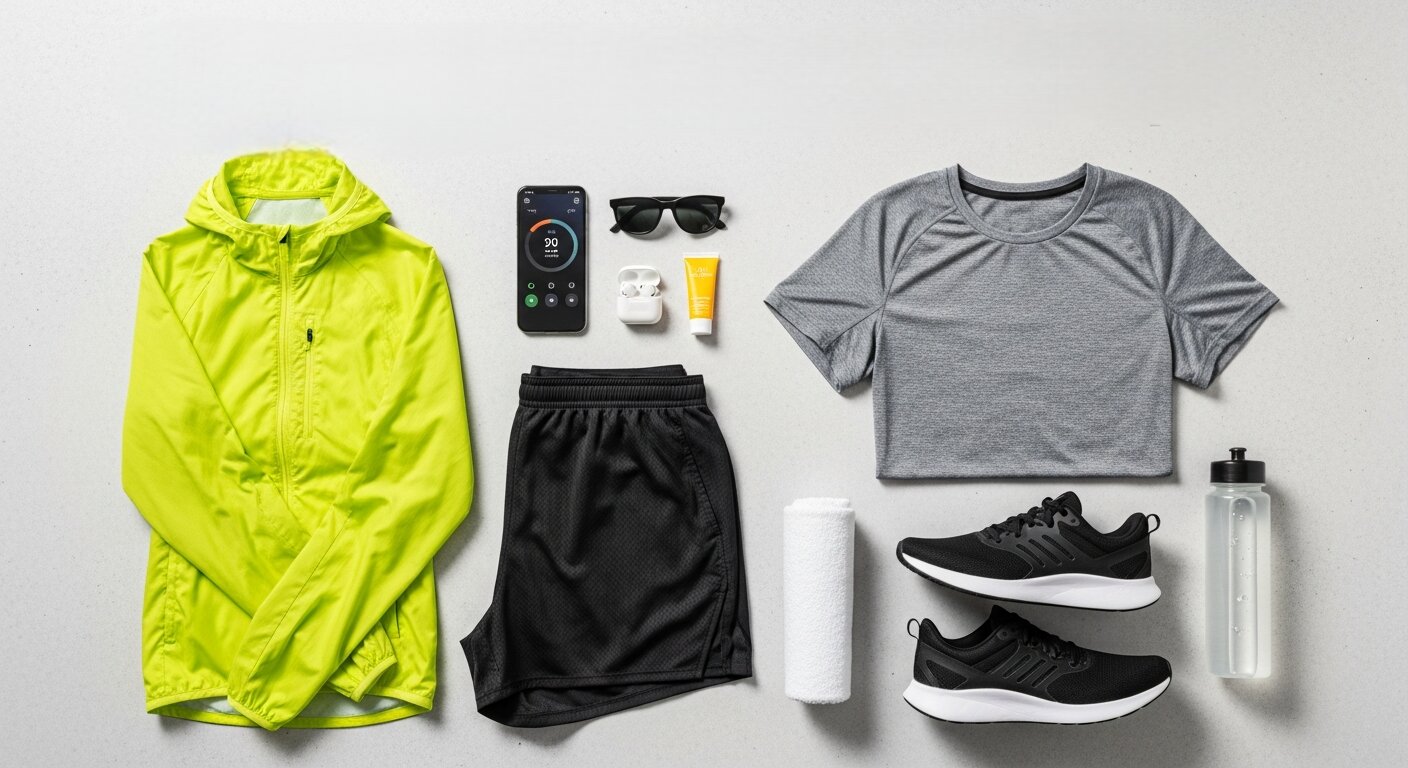
Are you struggling to stay cool during intense workouts? Applying the right Lightweight Sportswear Tips transforms your training sessions, keeping you comfortable, dry, and always performance-ready.
This guide provides actionable Lightweight Sportswear Tips to help you select, wear, and maintain high-performance athletic apparel. You will learn about moisture-wicking fabrics, strategic layering, and expert strategies to enhance breathability. Maximize your comfort and boost your athletic output by choosing the perfect lightweight gear for any environment.
Why Implementing Lightweight Sportswear Tips Matters
When you step into the gym or head out for a long run, your clothing choices directly impact your physical output. Implementing proven Lightweight Sportswear Tips ensures that your body regulates temperature efficiently. Heavy, sweat-soaked clothing weighs you down, causes painful chafing, and spikes your core body temperature. By choosing ultra-light materials, you allow your skin to breathe. This breathability reduces fatigue and helps you sustain high energy levels for longer periods.
Athletes across all disciplines—from marathon runners to weightlifters—rely on advanced activewear technology to gain a competitive edge. The science behind these garments focuses on minimizing drag and maximizing airflow. When you understand the basic principles of athletic fabrics, you make better purchasing decisions. Proper gear acts as a second skin, moving seamlessly with your body rather than restricting your range of motion.
Applying these Lightweight Sportswear Tips also protects your overall health. Overheating during summer workouts leads to heat exhaustion, dehydration, and severe cramping. Wearing the right apparel mitigates these risks by pulling moisture away from your skin and allowing it to evaporate rapidly into the air.
Mini-Conclusion: Prioritizing lightweight, breathable workout gear is not just about fashion; it is a fundamental requirement for safe, effective, and high-level physical performance.
Understanding Core Fabrics for Your Athletic Wardrobe
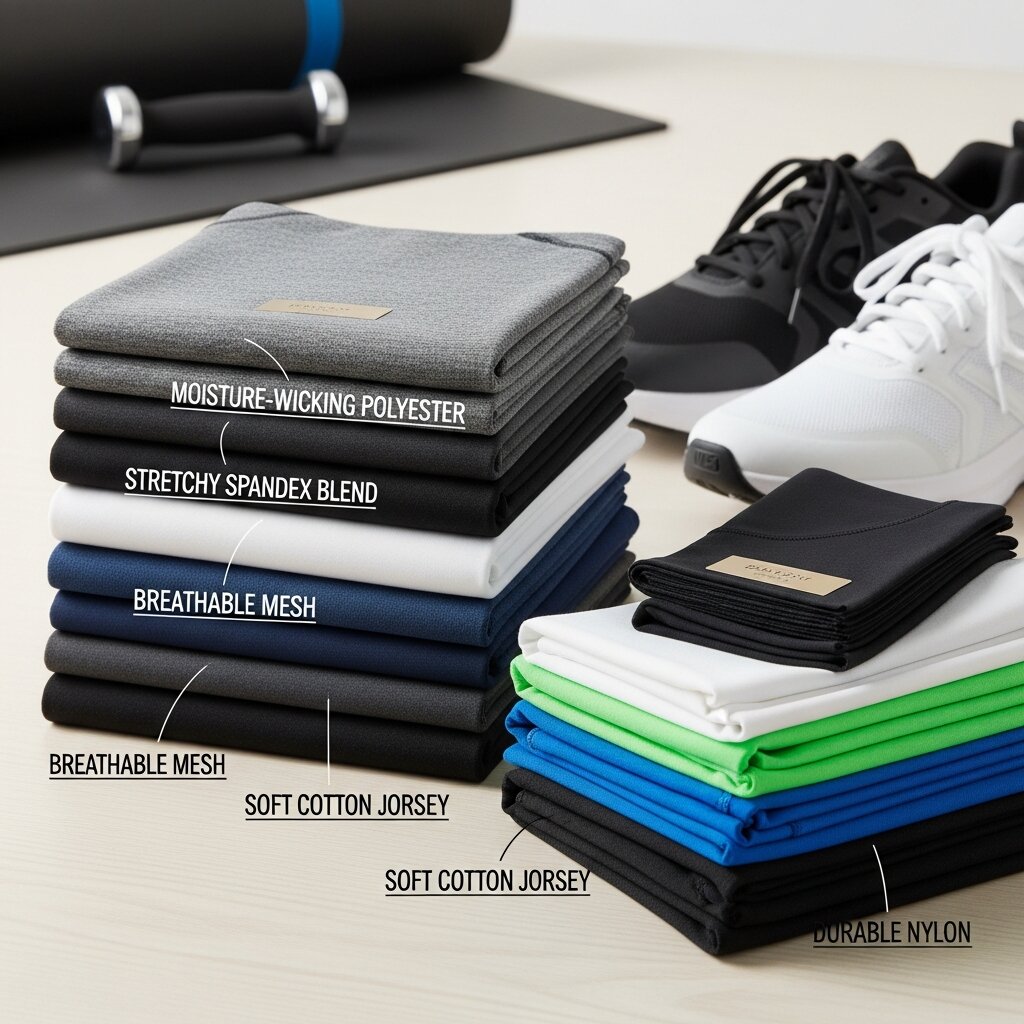
Selecting the right material is the foundation of any effective athletic wardrobe. The most crucial Lightweight Sportswear Tips revolve around understanding fabric compositions. Not all synthetic blends offer the same benefits, and knowing the difference saves you money and discomfort.
The Power of Polyester and Nylon
Polyester remains the undisputed king of performance fabrics. It is incredibly durable, highly resistant to shrinking, and excels at moisture management. When you sweat, polyester fibers transport the liquid to the outer layer of the garment, where it evaporates quickly. Nylon offers similar moisture-wicking properties but provides a softer, silkier feel against the skin. Nylon stretches effortlessly, making it ideal for garments that require a tight, compressive fit without feeling restrictive.
The Role of Elastane (Spandex)
You rarely find athletic wear made entirely of elastane, but it plays a vital supporting role. Blending just a small percentage of elastane into polyester or nylon gives the garment its necessary stretch. This stretch ensures that the clothing retains its shape even after hundreds of intense workouts. When applying Lightweight Sportswear Tips to your shopping routine, look for garments containing 5% to 15% elastane for the perfect balance of structure and flexibility.
Why You Must Avoid Cotton
One of the most heavily emphasized Lightweight Sportswear Tips is to avoid 100% cotton during strenuous exercise. Cotton acts like a sponge. It absorbs your sweat and holds onto it, making the garment heavy, clingy, and incredibly uncomfortable. Wet cotton causes severe chafing and fails to provide any temperature regulation. Save your cotton shirts for lounging, and stick to advanced synthetics for your training sessions.
Structured Comparison of Athletic Fabrics
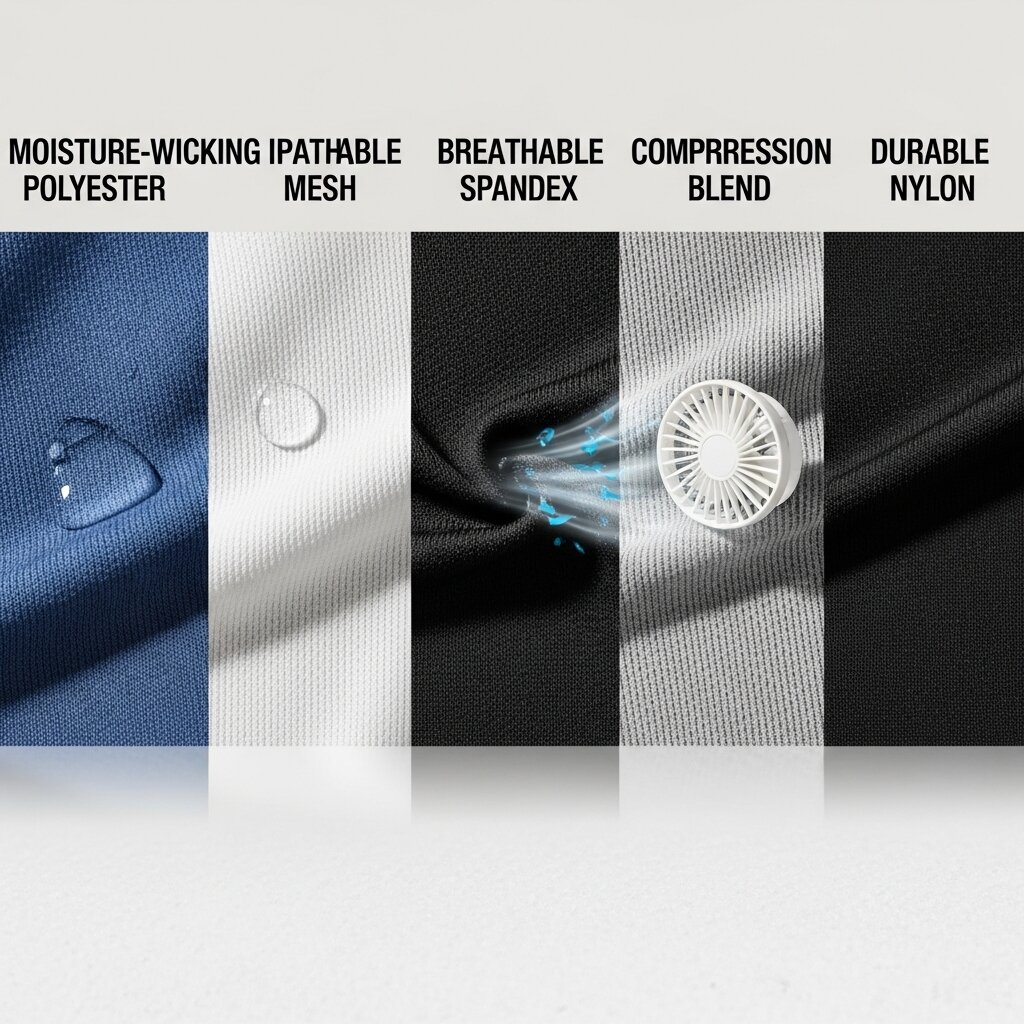
To help you make the best choice, use this comparison table when evaluating different materials for your lightweight gear.
|
Fabric Type |
Breathability |
Moisture-Wicking |
Best Use Case |
|---|---|---|---|
|
Polyester |
Very High |
Excellent |
High-intensity interval training, running. |
|
Nylon |
High |
Very Good |
Cycling, yoga, compression wear. |
|
Elastane |
Moderate |
Poor (Used for stretch) |
Mixed with other fabrics for flexibility. |
|
Merino Wool |
High |
Excellent (Naturally) |
Outdoor sports, temperature regulation. |
|
Cotton |
Low (When wet) |
Poor |
Casual wear, light stretching. |
Essential Lightweight Sportswear Tips for Summer Workouts
Training in the heat requires specific strategies to keep your body safe. Summer heatwaves demand the absolute best in fabric technology and garment design.
Prioritize Ventilation and Mesh Panels
When shopping for summer gear, look for garments that feature strategic ventilation. Manufacturers often map out the human body’s highest heat zones—such as the underarms, the upper back, and the chest. They place highly breathable mesh panels in these exact locations. Utilizing these targeted designs is one of the most effective Lightweight Sportswear Tips you can follow. The mesh allows trapped heat to escape instantly, creating a cooling microclimate around your torso.
Choose Lighter Colors
Color choices significantly impact your thermal comfort. Dark colors like black and navy blue absorb heat from the sun, raising the temperature of the fabric and your skin. Conversely, lighter colors like white, pastel blue, and light gray reflect solar radiation. Opting for lighter shades during outdoor summer workouts keeps you noticeably cooler and prevents premature exhaustion.
Embrace Loose but Tailored Fits
While compression wear has its benefits, summer workouts often call for slightly looser garments. A garment that drapes slightly away from the skin promotes better airflow. However, you must avoid excessively baggy clothing, as excess fabric gets in the way and creates a tripping hazard. Find a tailored but relaxed fit that strikes the perfect balance between aerodynamics and ventilation.
Mini-Conclusion: Summer training safely hinges on maximizing airflow through smart fabric choices, strategic mesh paneling, and reflective color palettes.
Layering Strategies: Lightweight Sportswear Tips for Variable Weather
You do not only need lightweight apparel in the blazing heat. Effective layering allows you to use lightweight items year-round, adapting dynamically to shifting weather conditions.
The Base Layer: Moisture Management
Your base layer sits directly against your skin. Its primary job is not to keep you warm, but to keep you dry. Apply our previous Lightweight Sportswear Tips and choose a thin, snug-fitting polyester or merino wool shirt. This layer pulls sweat away from your body, preventing the terrifying chill that occurs when cold wind hits damp skin.
The Mid-Layer: Thermal Insulation
If you are training in brisk conditions, add a lightweight mid-layer. A thin fleece quarter-zip or a lightly insulated vest traps your body heat without adding bulky weight. The beauty of a lightweight mid-layer is its packability. If the sun comes out and temperatures rise, you can easily strip this layer off and tie it around your waist without feeling encumbered.
The Outer Shell: Weather Protection
Your final layer must protect you from wind and rain. Look for ultra-lightweight windbreakers or running jackets treated with a Durable Water Repellent (DWR) finish. These jackets pack down to the size of an apple but provide immense protection against biting winds and unexpected downpours. By utilizing this three-tier system, you maintain total comfort without ever relying on heavy, restrictive winter coats.
Top Features to Prioritize in Performance Gear
Beyond the fabric itself, the construction of the garment dictates its overall quality. Follow these advanced Lightweight Sportswear Tips to identify premium activewear.
- Flatlock Seams: Traditional raised seams rub against your skin repeatedly during a run, causing painful chafing. Flatlock seams lie completely flat against the fabric, eliminating friction points and ensuring total comfort.
- Anti-Odor Technology: Many premium lightweight garments feature silver-ion treatments. These natural antimicrobial treatments prevent odor-causing bacteria from binding to the synthetic fibers, keeping your gear smelling fresh even after multiple uses.
- Reflective Details: If you run early in the morning or late at night, visibility is paramount. Look for lightweight shirts and shorts that incorporate reflective logos or taping to keep you safe from passing vehicles.
- UPF Protection: Lightweight fabrics can sometimes let harmful UV rays pass right through to your skin. Check the garment’s tags for an Ultraviolet Protection Factor (UPF) rating of 30 or higher to shield yourself from sun damage.
Common Mistakes to Avoid When Choosing Gear
Even seasoned athletes occasionally make poor apparel choices. By understanding these pitfalls, you can refine your wardrobe and maximize your training efficiency.
One major mistake is ignoring the importance of proper sizing. Buying a lightweight shirt that is one size too small negates all its breathable properties. The fabric stretches too thin, restricting your movement and compressing your chest. Always consult the brand’s specific size chart, as athletic fits vary wildly between different manufacturers.
Another frequent error is assuming that all lightweight gear is fragile. While you should treat delicate mesh with care, high-quality athletic apparel undergoes rigorous testing. Do not shy away from ultra-thin fabrics out of fear that they will rip. Trust reputable brands that utilize ripstop nylon and reinforced stitching to ensure extreme durability alongside feather-light weights.
Finally, athletes often forget about their lower body. Applying Lightweight Sportswear Tips to your upper body is great, but wearing heavy, thick sweatpants completely ruins the effect. Invest in lightweight running shorts, unlined training pants, or thin, breathable leggings to ensure full-body temperature regulation.
Expert Insights and Pro Tips for Gear Longevity
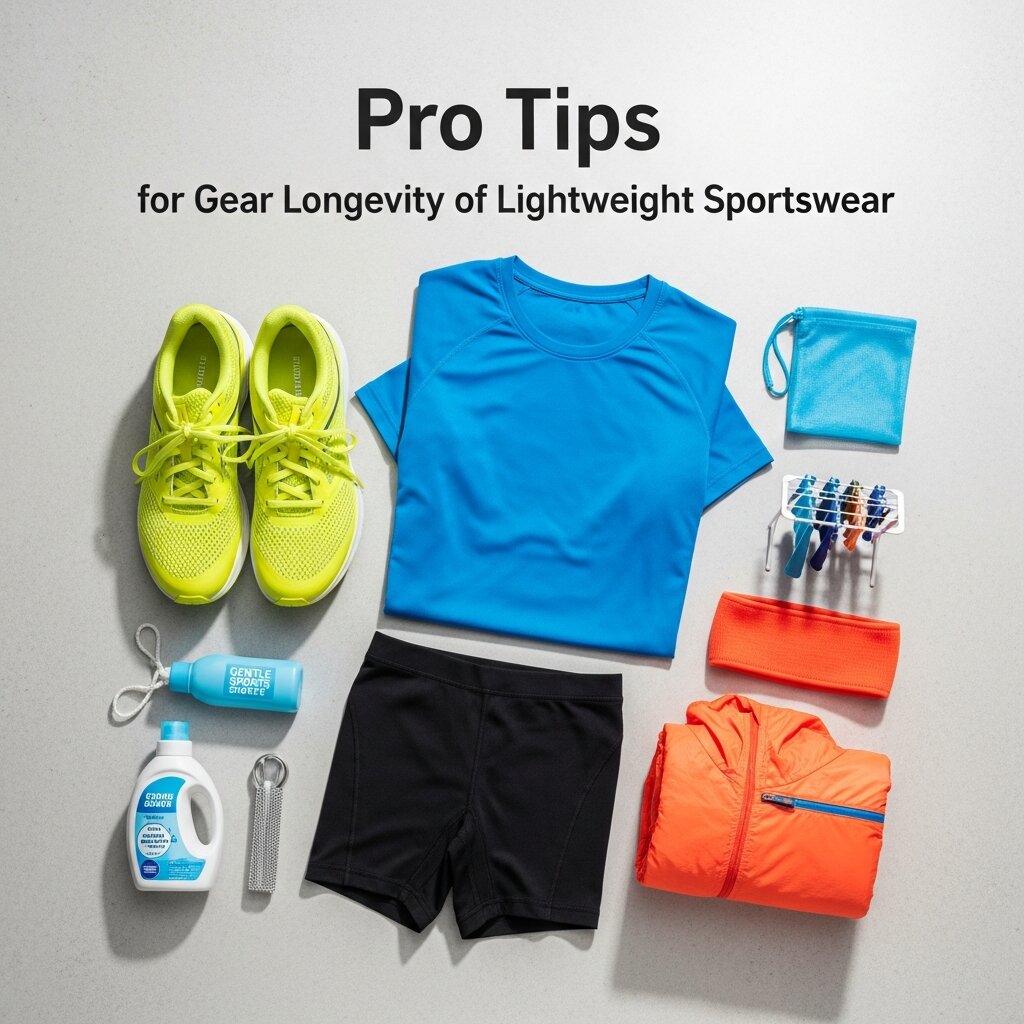
High-performance athletic wear represents a significant financial investment. Taking proper care of your garments ensures they continue to perform at a high level for years to come.
Always wash your lightweight activewear in cold water. Hot water breaks down the elastane fibers, causing your clothes to lose their shape and sag. Furthermore, you must absolutely avoid fabric softeners. Fabric softeners coat synthetic fibers in a waxy residue, destroying their moisture-wicking capabilities and trapping foul odors. Instead, use a specialized sports detergent designed to penetrate and clean dense synthetic materials.
Air drying is the ultimate secret to gear longevity. The high heat of a tumble dryer literally melts the elastic components of your clothing. Hang your lightweight shirts and shorts on a drying rack in a well-ventilated room. Because the materials are designed to dry quickly, they will be ready to wear again in just a few hours.
If you want to read more about comprehensive garment care, make sure to check out authoritative guides on fabric maintenance standards from textile experts. Following professional advice guarantees your gear stays pristine. Check out the American Cleaning Institute for deeper insights into fabric preservation.
Maximizing the Impact of Your Apparel Choices
Your journey to better fitness relies on eliminating obstacles. Uncomfortable, heavy, and hot clothing acts as a massive mental and physical barrier. When you actively apply these Lightweight Sportswear Tips, you remove that barrier entirely. You feel lighter on your feet, your breathing feels less restricted, and your focus remains entirely on your performance metrics rather than your physical discomfort.
Take the time to audit your current athletic wardrobe. Pull out the heavy cotton tees and the thick, restrictive joggers. Replace them gradually with purpose-built, highly engineered lightweight apparel. You will instantly notice a dramatic improvement in how you feel during and after your workouts.
Conclusion
Upgrading your athletic wardrobe is a proven way to enhance your daily performance. By implementing these expert Lightweight Sportswear Tips, you ensure optimal breathability, superior moisture management, and unmatched comfort during every workout. Do not let heavy, outdated fabrics hold you back from reaching your fitness goals. Evaluate your gear today, invest in high-quality lightweight activewear, and experience the ultimate difference in your next training session!
FAQs
1. What are the most important Lightweight Sportswear Tips for beginners?
Beginners should focus primarily on fabric composition. The best tip is to completely avoid 100% cotton and instead purchase garments made from polyester or nylon blends. These synthetics wick sweat, dry quickly, and prevent chafing, making your initial workouts much more comfortable.
2. Can lightweight sportswear actually improve my athletic performance?
Yes, lightweight sportswear improves performance by regulating your core body temperature. When you stay cool, your heart doesn’t have to work as hard to pump blood to your skin for cooling. This preserves your energy, allowing you to run faster, lift heavier, and train longer without premature fatigue.
3. How do I layer lightweight sportswear for cold-weather running?
Start with a snug, moisture-wicking base layer to keep sweat off your skin. Add a breathable, lightweight fleece mid-layer for insulation. Finally, top it off with a thin, wind-resistant outer shell. This system traps heat while allowing excess moisture to escape.
4. What is the difference between moisture-wicking and breathable fabrics?
Moisture-wicking fabrics actively pull liquid sweat away from your skin to the outside of the garment where it can evaporate. Breathable fabrics simply allow air to pass through them freely. The best lightweight sportswear combines both properties for maximum cooling.
5. Are there specific Lightweight Sportswear Tips for heavy sweaters?
If you sweat heavily, prioritize garments with extensive mesh paneling and laser-cut ventilation holes. Additionally, look for apparel treated with anti-odor, antimicrobial technology to prevent bacteria from accumulating in the damp fabric during intense, sweaty sessions.
6. Why do my lightweight synthetic shirts smell bad after washing?
Synthetic fibers can trap body oils and bacteria if not washed correctly. Using traditional detergent and fabric softener coats the fibers, locking the smell inside. To fix this, wash your gear in cold water with a specialized sports detergent and skip the fabric softener entirely.
7. Does lightweight sportswear provide any sun protection?
Some lightweight fabrics are knit tightly enough to block UV rays, but many ultra-thin garments allow the sun through. If you train outdoors, always check the garment’s tags for a specific UPF (Ultraviolet Protection Factor) rating of 30 or higher to ensure your skin is protected.
8. Should lightweight activewear fit tight or loose?
The ideal fit depends on the activity. For cycling and running, a tighter, aerodynamic fit prevents chafing and drag. For weightlifting or high-intensity interval training, a slightly looser, tailored fit allows for maximum range of motion and enhanced air circulation around the torso.
9. How do I prevent my lightweight running shorts from chafing?
To prevent chafing, select lightweight shorts that feature a built-in compression liner. Ensure the shorts have flatlock seams, which lay completely flat against your skin. Additionally, you can apply an anti-chafe balm to high-friction areas before starting your workout.
10. How long should high-quality lightweight sportswear last?
With proper care, premium lightweight sportswear can last for several years. By strictly washing in cold water, using the right sports detergent, and always air-drying your garments, you preserve the elasticity and moisture-wicking properties of the fabric indefinitely.
