

Struggling to choose the right workout apparel? This comprehensive sportswear guide reveals exactly how to select clothing that elevates your comfort, confidence, and exercise performance.
This detailed article breaks down essential fabric technologies, workout-specific clothing recommendations, and expert fitting advice. You will discover how to avoid common purchasing mistakes, compare top materials, and ultimately build a highly functional fitness wardrobe tailored specifically to your active lifestyle.
Why You Need a Dedicated Sportswear Guide
Walking into a fitness apparel store often feels overwhelming. Racks overflow with different fabrics, cuts, and technologies. Understanding the core principles of performance apparel prevents you from wasting money on gear that chafes, sags, or traps heat. A reliable sportswear guide serves as your roadmap to building a functional, durable workout wardrobe.
When you wear the correct athletic wear, you move better. Your clothes should act as a second skin, supporting your movements rather than restricting them. By investing time to understand what makes certain garments superior, you actively invest in your long-term health and fitness goals.
The Science of Fabric Technology
Modern fitness clothing relies heavily on fabric engineering. Decades ago, athletes wore heavy cotton sweats that absorbed moisture and weighed them down. Today, we utilize advanced moisture-wicking fabrics designed to pull sweat away from your skin and push it to the exterior of the garment, where it evaporates quickly.
Understanding these materials forms the foundation of any good sportswear guide. Manufacturers blend different synthetic and natural fibers to achieve specific results, such as enhanced stretch, temperature regulation, and odor resistance.
How Proper Gear Prevents Injury
Your clothing does more than make you look good; it protects your body. Properly fitted compression garments support your muscles, improve blood circulation, and reduce the micro-vibrations that cause muscle fatigue. Furthermore, specialized footwear absorbs impact, protecting your joints from repetitive stress injuries.
Mini-Conclusion: Prioritizing functionality over aesthetics ensures your clothing actively contributes to your physical safety and overall workout success.
Sportswear Guide to High-Performance Fabrics
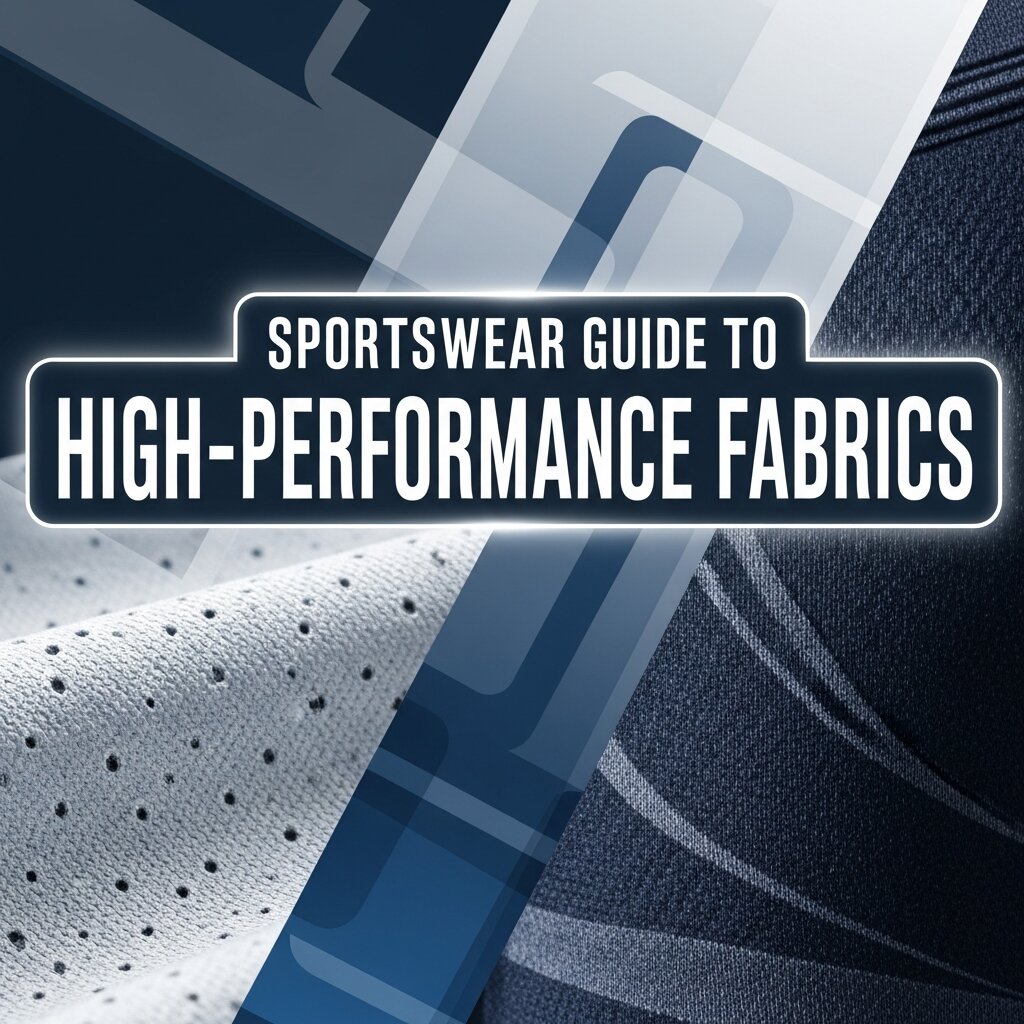
Selecting the right material dictates how your clothing will perform under pressure. Different workouts require different fabric blends. Let us examine the most popular materials used in modern gym clothing.
Polyester: The Industry Standard
Polyester dominates the fitness apparel industry for a reason. This synthetic material is incredibly durable, lightweight, and wrinkle-resistant. More importantly, it repels water. Instead of soaking up your sweat, polyester forces moisture to the surface. Most high-quality workout leggings and training shirts feature a high percentage of polyester.
Spandex (Elastane): Maximum Mobility
You cannot perform deep squats or yoga flows in rigid clothing. Spandex, also known as elastane, provides the crucial stretch needed for full range of motion. A garment only needs a small percentage of spandex (usually 5% to 15%) to offer significant flexibility. This material ensures your clothes snap back to their original shape after intense stretching.
Nylon: Durability and Softness
Nylon shares many moisture-wicking properties with polyester but offers a much softer, silkier feel against the skin. It possesses exceptional durability and resists abrasion, making it ideal for track pants and tough outerwear. Many premium activewear brands use nylon for their high-end athletic collections.
Merino Wool: Nature’s Wonder Fiber
Not all fitness clothing relies on synthetic materials. Merino wool stands out as a premium natural option. It naturally regulates body temperature, keeping you warm in freezing conditions and cool in the summer heat. Additionally, it contains natural antimicrobial properties, meaning it resists odor-causing bacteria even after multiple heavy sweating sessions.
Fabric Comparison Table
Use this structured comparison table to quickly reference which fabric suits your specific needs:
|
Fabric Type |
Primary Benefit |
Best Used For |
Moisture Wicking |
Durability |
|---|---|---|---|---|
|
Polyester |
Quick-drying, lightweight |
High-intensity training, running |
High |
High |
|
Spandex |
Extreme stretch, shape retention |
Yoga, gymnastics, weightlifting |
Low |
Medium |
|
Nylon |
Softness, abrasion resistance |
Outerwear, premium leggings |
High |
Very High |
|
Merino Wool |
Temperature control, odor resistance |
Outdoor hiking, winter sports |
Medium |
Medium |
|
Cotton |
Comfort, breathability |
Rest days, light stretching |
Very Low |
High |
Mini-Conclusion: Mastering fabric types allows you to look at a clothing tag and immediately know how the garment will perform during your training sessions.
Sportswear Guide for Specific Workouts
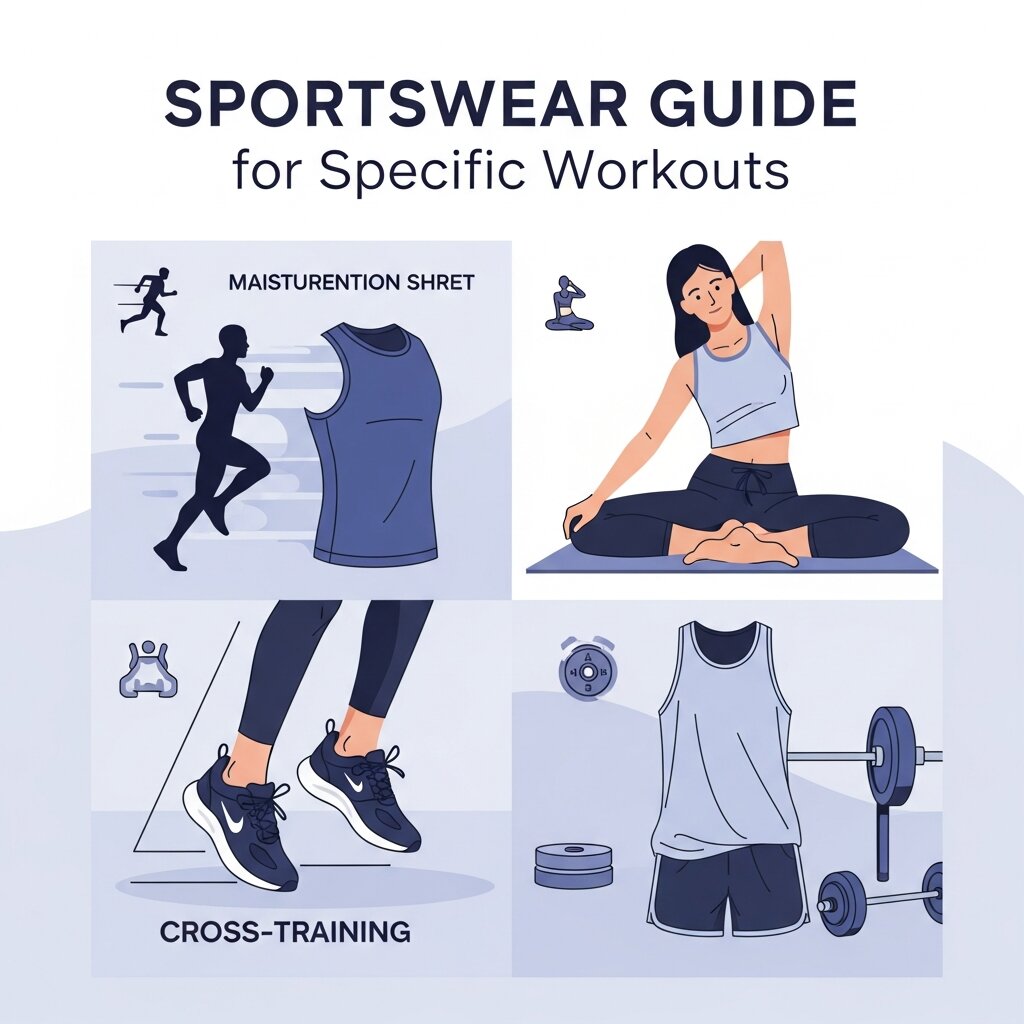
No single outfit works perfectly for every physical activity. You must match your gear to your specific training style. This section of our sportswear guide outlines exactly what you need for the most popular fitness disciplines.
Gear for High-Intensity Interval Training (HIIT)
HIIT workouts involve explosive movements, rapid direction changes, and copious amounts of sweat. Your clothing must keep up.
Choose lightweight, highly breathable tops featuring breathable mesh panels. Your shorts or leggings must feature a secure drawstring or a high, slip-resistant waistband. You cannot afford to pull up your pants while doing burpees. Pair this with cross-training shoes that offer a flat, stable base and strong lateral support to prevent ankle rolls during side-to-side movements.
Yoga and Pilates Essentials
Yoga requires extreme flexibility and supreme comfort. If you feel your clothing digging into your skin, you will lose focus.
Opt for brushed, buttery-soft nylon and spandex blends. Your workout leggings should feature a seamless construction to prevent chafing during floor poses. Choose form-fitting tops; loose shirts will fall over your face during downward-facing dog. Additionally, invest in medium-support sports bras that allow for deep, unobstructed breathing.
Running and Endurance Training
Runners battle the elements and repetitive friction. Your primary enemy is chafing.
Select seamless shirts and shorts made entirely of advanced moisture-wicking fabrics. For long-distance running, carrying capacity matters. Look for shorts with hidden zipper pockets to hold your keys and energy gels securely. Most importantly, invest time and money into getting professionally fitted for running shoes. The right footwear dictates your entire running experience and prevents shin splints and knee pain.
Strength Training and Weightlifting
Weightlifting demands stability and durability. Your clothing will constantly rub against knurled barbells and rough gym benches.
Wear durable polyester blends that resist pilling. Compression garments work exceptionally well here, as they stay out of the way of the barbell during deadlifts and Olympic lifts. Your footwear requires a hard, flat, incompressible sole. Leave your soft, squishy running shoes at home; you need a solid foundation to push against the floor effectively.
Mini-Conclusion: Tailoring your wardrobe to your specific activity maximizes your comfort and directly enhances your physical output.
Expert Insights and Pro Tips

Building the perfect fitness wardrobe requires strategy. Apply these expert insights to maximize your investments in sustainable activewear.
- Perform the Squat Test: Always perform a deep squat in the fitting room when buying leggings. Check the mirror to ensure the fabric remains completely opaque at maximum stretch.
- Wash Gear Immediately: Do not let sweaty clothes sit in your gym bag. Bacteria break down synthetic fibers over time. Wash your gear promptly to extend its lifespan.
- Skip the Fabric Softener: Never use fabric softener on athletic wear. It leaves a waxy coating on the fibers, destroying their moisture-wicking capabilities and trapping foul odors permanently.
- Prioritize Seam Construction: Inspect the seams before purchasing. Flatlock seams lay completely flat against your skin, significantly reducing the risk of chafing during repetitive motions.
Common Mistakes to Avoid
Even seasoned athletes make errors when purchasing and maintaining their gear. This sportswear guide highlights the most frequent pitfalls so you can avoid them.
Buying for Looks Over Function
A stylish matching set offers no value if the waistband rolls down every time you bend over. Always prioritize performance, fit, and fabric technology over the current fashion trends.
Wearing Cotton for Intense Cardio
Cotton acts like a sponge. It absorbs sweat, grows heavy, and loses all its insulating properties. Wearing cotton during a heavy cardio session leads to extreme discomfort, chafing, and rapid body heat loss in cool environments.
Ignoring Footwear Lifespans
Running shoes lose their shock absorption capabilities after 300 to 500 miles. Continuing to wear dead shoes sends harsh impact forces directly into your knees and lower back. Track your mileage and replace your footwear regularly.
Sizing Down for More Compression
Many people buy clothes one size too small, thinking it will provide better muscle support. This actually restricts blood flow and limits your range of motion. Buy your true size in dedicated compression garments to get the engineered benefits safely.
Mini-Conclusion: Avoiding these simple mistakes saves you money and eliminates unnecessary discomfort from your training routine.
Conclusion
Finding the right fitness apparel completely transforms your exercise routine. By following this sportswear guide, you confidently select pieces that offer superior comfort, unmatched mobility, and excellent durability. Upgrade your wardrobe today, invest in quality pieces, and experience the ultimate physical difference during your next high-intensity training session.
FAQs
What exactly is the main purpose of a sportswear guide?
A comprehensive sportswear guide helps you navigate fabric technologies, proper fits, and activity-specific gear. It empowers you to make informed purchasing decisions, ensuring your athletic clothing enhances your performance rather than hindering it.
How do I choose the best fabric for heavy sweating?
Always select synthetic blends like polyester and nylon for heavy sweating. These materials feature advanced moisture-wicking properties that pull sweat away from your skin, allowing it to evaporate quickly and keep your body dry.
Can I wear running shoes for heavy weightlifting?
You should avoid wearing running shoes for weightlifting. Running shoes feature soft, compressible soles designed to absorb impact, which creates an unstable base for lifting heavy weights. You need flat, hard-soled shoes for lifting safely.
How often should I wash my athletic wear?
You must wash your athletic wear after every single use. Sweat and dead skin cells breed bacteria rapidly in synthetic fibers. Washing them immediately prevents permanent odor buildup and protects the integrity of the fabric.
What does the term “four-way stretch” mean?
Four-way stretch indicates that the fabric stretches both crosswise and lengthwise. This allows the garment to move seamlessly with your body in every direction, providing maximum mobility for activities like yoga or gymnastics.
Why do my gym clothes constantly smell bad even after washing?
Trapped odors usually result from using fabric softeners or standard detergents that cannot penetrate tight synthetic fibers. Use a specialized sports detergent and eliminate fabric softeners entirely to strip away built-up oils and bacteria.
Are expensive activewear brands actually worth the money?
Premium brands often invest heavily in superior fabric blends, flatlock seam construction, and extensive durability testing. While you pay a premium, these garments typically outlast cheaper alternatives and maintain their shape and function significantly longer.
How tight should compression garments actually feel?
Compression gear should feel snug and supportive but never restrictive. You should breathe easily and move your limbs through their full range of motion without pinching or numbness. If you experience tingling, the garment is too small.
What is the best way to wash sports bras to keep their shape?
Wash sports bras in cold water on a gentle cycle, preferably inside a mesh laundry bag to prevent the straps from stretching. Never put them in the dryer; the high heat destroys the elastic fibers. Always lay them flat to air dry.
Is sustainable activewear as durable as traditional synthetic gear?
Yes, modern sustainable activewear performs exceptionally well. Brands now use recycled polyester derived from plastic bottles and eco-friendly nylon alternatives that match the durability, stretch, and moisture-wicking capabilities of traditional virgin synthetic materials.
