
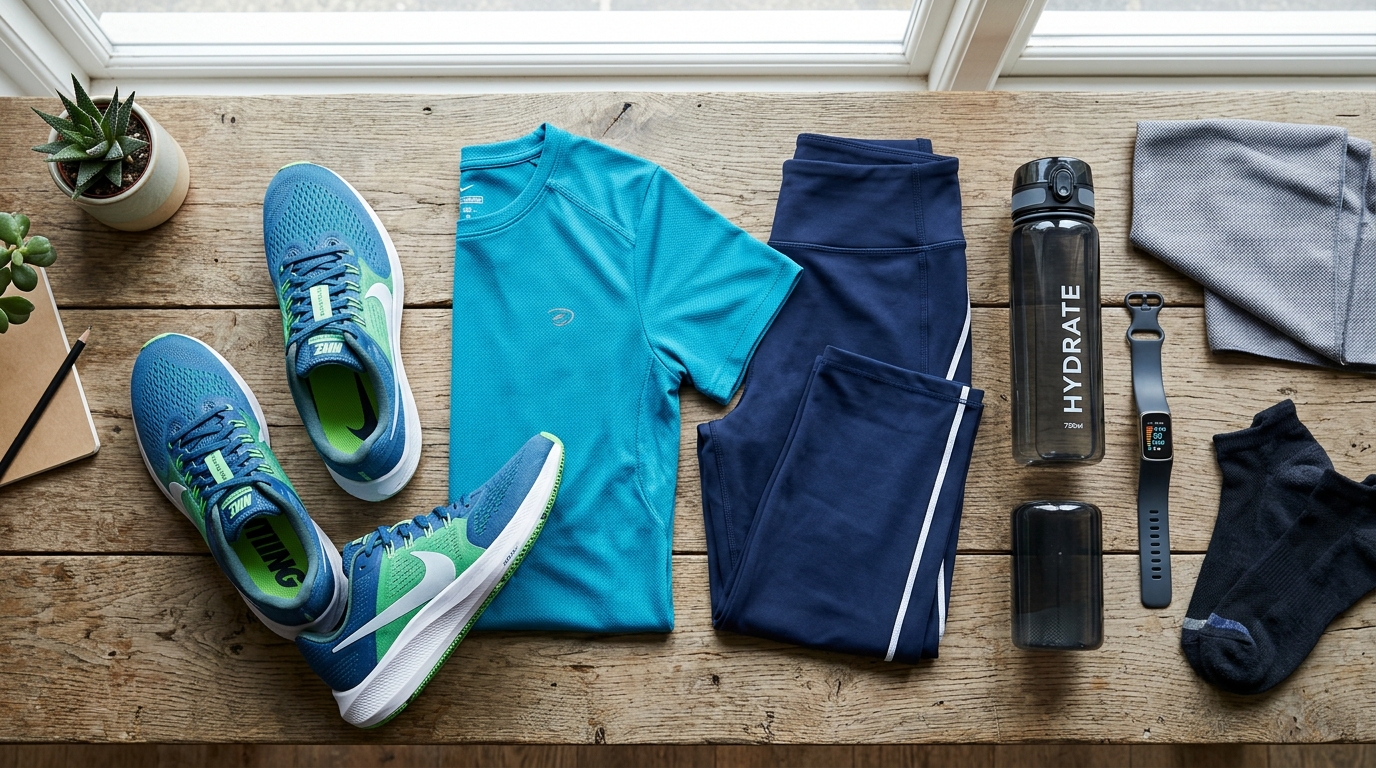
Starting a fitness routine requires the right gear. This Best Sportswear Guide for Beginners provides essential tips to help you navigate athletic apparel. You will learn exactly how to select comfortable, functional, and stylish workout clothing tailored to your unique goals.
This comprehensive Best Sportswear Guide for Beginners explores everything new athletes need to know about activewear. We cover material science, essential wardrobe staples, and sizing advice. You will discover expert maintenance tips, identify common purchasing mistakes, and learn how to build a versatile fitness wardrobe that maximizes your daily performance and comfort.
Why Choosing the Right Activewear Matters for New Athletes
Embarking on a new health journey feels incredibly empowering. However, wearing the wrong clothing can quickly ruin your motivation. This Best Sportswear Guide for Beginners emphasizes that functional apparel does much more than make you look good. Proper athletic clothing directly impacts your physical performance, regulates your body temperature, and prevents painful chafing during repetitive movements. When you invest in quality pieces, you remove physical distractions, allowing you to focus entirely on perfecting your form and building endurance.
You might feel tempted to just throw on an old cotton t-shirt and regular sweatpants. This Best Sportswear Guide for Beginners strongly advises against that approach. Cotton absorbs sweat heavily, becoming heavy, wet, and uncomfortable. It also leads to rapid heat loss once you stop moving. Specialized athletic apparel utilizes advanced synthetic blends to pull sweat away from your skin, keeping you dry and focused. This fundamental difference transforms a miserable workout into an energizing, enjoyable experience.
Furthermore, wearing dedicated athletic apparel triggers a psychological shift often referred to as “enclothed cognition.” When you put on gear explicitly designed for exercise, your brain recognizes that it is time to work hard. This Best Sportswear Guide for Beginners highlights that building a dedicated fitness closet boosts your daily motivation. You will feel prepared, professional, and ready to tackle the challenges of your new exercise regimen.
Core Fabrics: Understanding Material Science for Better Workouts
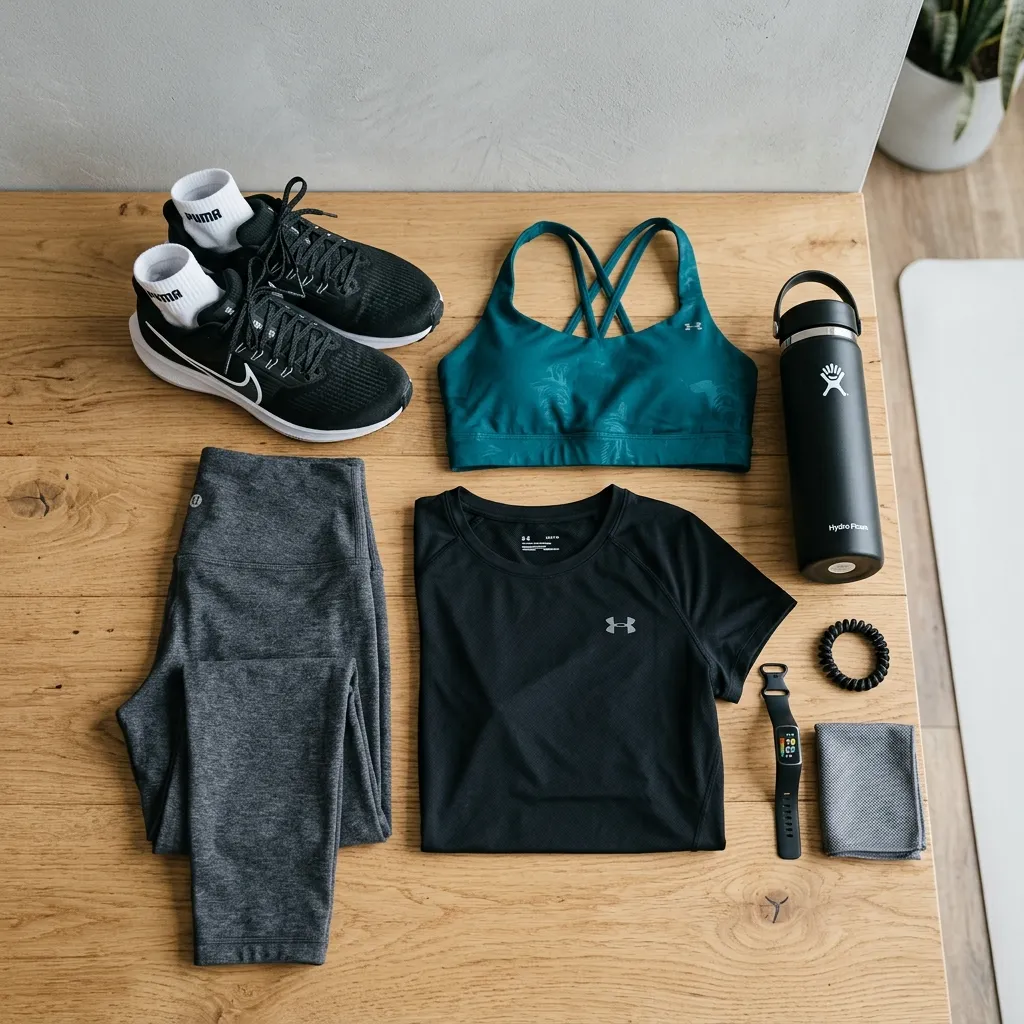
To make informed purchasing decisions, you must understand the materials constructing your garments. This Best Sportswear Guide for Beginners breaks down the most common textiles found in modern athletic wear. Polyester dominates the market due to its exceptional durability and lightweight nature. It resists shrinking and wrinkling, making it incredibly easy to maintain. More importantly, high-quality polyester acts as a moisture-wicking fabric, drawing sweat to the surface of the garment where it can evaporate quickly.
Nylon represents another fantastic option for new athletes. It feels softer than polyester and offers incredible stretch and recovery. Many premium brands utilize nylon blends because they conform beautifully to the body without losing their shape over time. This Best Sportswear Guide for Beginners notes that nylon also resists mildew and dries rapidly, making it ideal for high-intensity interval training or outdoor running. Spandex, often blended with polyester or nylon, provides the necessary elasticity that allows garments to stretch in four directions.
Merino wool offers a natural alternative to synthetic fibers. While it might sound unusual for workout gear, lightweight merino wool provides unmatched temperature regulation and natural odor resistance. This Best Sportswear Guide for Beginners recommends merino wool for outdoor enthusiasts who hike or run in fluctuating temperatures. By familiarizing yourself with these materials, you can select garments that perfectly align with your specific workout environment and personal comfort preferences.
Essential Wardrobe Staples: Building Your First Fitness Outfit
Creating your initial athletic wardrobe does not require buying everything at once. This Best Sportswear Guide for Beginners recommends starting with a few high-quality foundational pieces. Your first priority should be a supportive, well-fitting top. Look for shirts featuring flatlock seams to minimize irritation. For women, a highly supportive sports bra acts as the absolute most critical piece of equipment. It prevents discomfort and tissue damage during high-impact activities.
Next, you need reliable bottoms that stay in place while you move. This Best Sportswear Guide for Beginners highly recommends investing in high-waisted activewear. A higher waistline provides essential core support and prevents the garment from rolling down during squats or stretches. You should also consider the climate you exercise in most frequently. Lightweight shorts work best for indoor gym sessions or summer runs, while full-length athletic pants offer warmth and protection for outdoor winter workouts.
Finally, do not overlook your footwear and socks. Many beginners ruin their workouts by wearing generic cotton socks that cause severe blisters. This Best Sportswear Guide for Beginners suggests purchasing synthetic, blister-resistant athletic socks that provide arch support and heel cushioning. Pair these with exercise-specific training shoes. Running shoes support forward motion, while cross-trainers provide lateral stability for weightlifting and aerobics.
- Start with two to three moisture-wicking tops in neutral colors.
- Invest in one pair of versatile, squat-proof athletic bottoms.
- Purchase three pairs of specialized synthetic athletic socks.
Finding the Perfect Fit: Sizing and Support Essentials
Finding the correct fit is the most crucial step outlined in this Best Sportswear Guide for Beginners. Athletic clothing should fit snugly but never restrict your breathing or natural range of motion. If a garment pinches your skin or leaves deep red marks, it is too tight and will impede healthy blood circulation. Conversely, excessively loose clothing can snag on gym equipment or weigh you down once you start sweating.
When evaluating bottoms, this Best Sportswear Guide for Beginners suggests considering compression leggings. These garments gently squeeze your muscles, which increases blood flow and helps reduce muscle fatigue during strenuous exercise. Compression gear also aids in post-workout recovery by minimizing swelling. However, compression should feel supportive, not painful. Always perform a quick mobility test in the fitting room—do a few squats and lunges to ensure the fabric moves with you seamlessly.
For tops, focus on the shoulder seams and the length of the torso. The shoulder seams should sit exactly at the edge of your shoulders. If the shirt rides up and exposes your stomach when you raise your arms, you likely need a longer cut or a larger size. This Best Sportswear Guide for Beginners reminds you that every brand uses slightly different sizing charts. Always consult the manufacturer’s specific measurements rather than relying purely on generic sizing labels to guarantee the best possible fit.
Comparing Entry-Level Athletic Garments
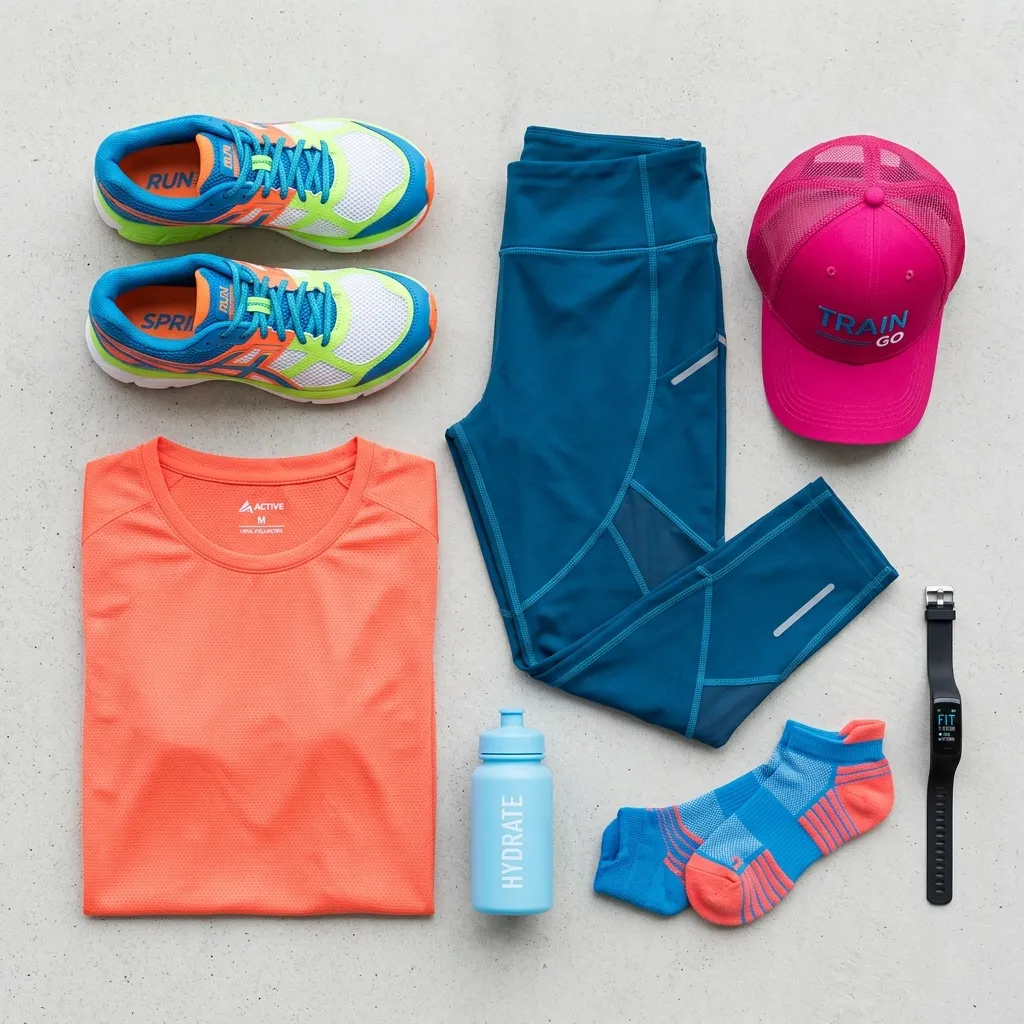
To simplify your shopping experience, this Best Sportswear Guide for Beginners provides a clear comparison of common athletic garment choices. Understanding the differences helps you spend your budget wisely on items that match your specific activity level.
|
Garment Feature |
Standard Gym Wear |
Premium Activewear |
|---|---|---|
|
Material Base |
Cotton / Basic Synthetic Blends |
Advanced Nylon / Spandex Blends |
|
Seam Construction |
Traditional raised stitching |
Flatlock or seamless construction |
|
Stretch Capacity |
Two-way stretch |
Four-way maximum stretch |
|
Breathability |
Moderate |
High (with engineered mesh panels) |
|
Price Point |
Budget-friendly |
Mid to High-tier investment |
As demonstrated in this Best Sportswear Guide for Beginners comparison, investing slightly more in premium construction often yields garments that perform significantly better and last much longer under frequent washing and wearing conditions.
Style Meets Function: Transitioning from the Gym to Daily Life
Modern fitness apparel blurs the line between athletic performance and everyday fashion. This Best Sportswear Guide for Beginners encourages you to build an athleisure wardrobe that allows you to transition effortlessly from a morning workout to a casual coffee date. You no longer have to sacrifice style to achieve comfort. Neutral color palettes, such as black, navy, and olive, serve as excellent foundational shades that pair easily with denim jackets or casual sneakers.
Layering plays a vital role in athletic styling. A sleek, zip-up track jacket or a tailored hoodie instantly elevates a basic gym outfit. This Best Sportswear Guide for Beginners notes that layering also serves a functional purpose, allowing you to control your body temperature before, during, and after your exercise session. By selecting pieces with clean lines and minimal logos, you create a sophisticated look that fits seamlessly into your daily routine.
Another fantastic option for combining comfort and style involves seamless workout clothes. These garments are knitted in a circular fashion, eliminating bulky side seams altogether. This Best Sportswear Guide for Beginners highlights that seamless technology creates a smooth, flattering silhouette while providing unparalleled comfort. Integrating these modern, stylish pieces into your closet ensures you always look put together, regardless of how busy your schedule gets.
Common Mistakes to Avoid When Buying Workout Gear
Even with the best intentions, new athletes frequently make purchasing errors. This Best Sportswear Guide for Beginners identifies the most common pitfalls so you can avoid wasting your money. The biggest mistake is buying gear based purely on aesthetics rather than performance. A shirt might feature a beautiful pattern, but if it lacks breathability and stretch, you will hate wearing it during an intense workout. Always prioritize fabric technology and fit over trendy designs.
Another frequent error highlighted in this Best Sportswear Guide for Beginners is ignoring the “squat test” when purchasing athletic bottoms. Many fabrics become completely sheer when stretched over the knees and glutes. Always try on your bottoms and perform a deep squat in front of a mirror to ensure the material remains completely opaque. Failing to perform this simple test often leads to embarrassing moments at the gym.
Finally, beginners often neglect to check the care instructions before buying. High-performance fabrics require specific maintenance. This Best Sportswear Guide for Beginners warns against purchasing items that require dry cleaning or highly complex washing routines. Your athletic wear will get sweaty and dirty frequently; you need garments that can survive standard, gentle machine washing without falling apart or losing their elasticity.
- Never use standard fabric softeners, as they destroy moisture-wicking properties.
- Avoid 100% cotton garments for anything other than light stretching or lounging.
- Do not assume expensive immediately means better; focus on the fabric blend.
Pro Tips and Expert Insights for Caring for Your Athletic Apparel
To maximize the lifespan of your investment, you must implement proper laundry habits. This Best Sportswear Guide for Beginners shares expert insights on fabric care. First, you should always wash your athletic wear inside out. This simple step protects the visible outer layer from the abrasive friction of the washing machine drum and exposes the sweatiest part of the garment directly to the detergent.
Experts also recommend avoiding high heat. This Best Sportswear Guide for Beginners strongly advises against putting your athletic gear in the tumble dryer. High heat breaks down the elastane and spandex fibers, causing your garments to lose their stretch and shape permanently. Instead, hang your clothes to air dry or lay them flat on a drying rack. Because these items utilize quick-drying fabrics, they typically air dry in just a few hours.
Additionally, you might notice that synthetic fabrics trap odors over time. This Best Sportswear Guide for Beginners suggests using a specialized sports detergent designed specifically to break down the body oils and bacteria that cling to polyester and nylon. Adding a half cup of white vinegar to your wash cycle also serves as a natural, highly effective deodorizer that keeps your fitness wardrobe smelling incredibly fresh.
The Future of Fitness: Embracing Eco-Friendly Options
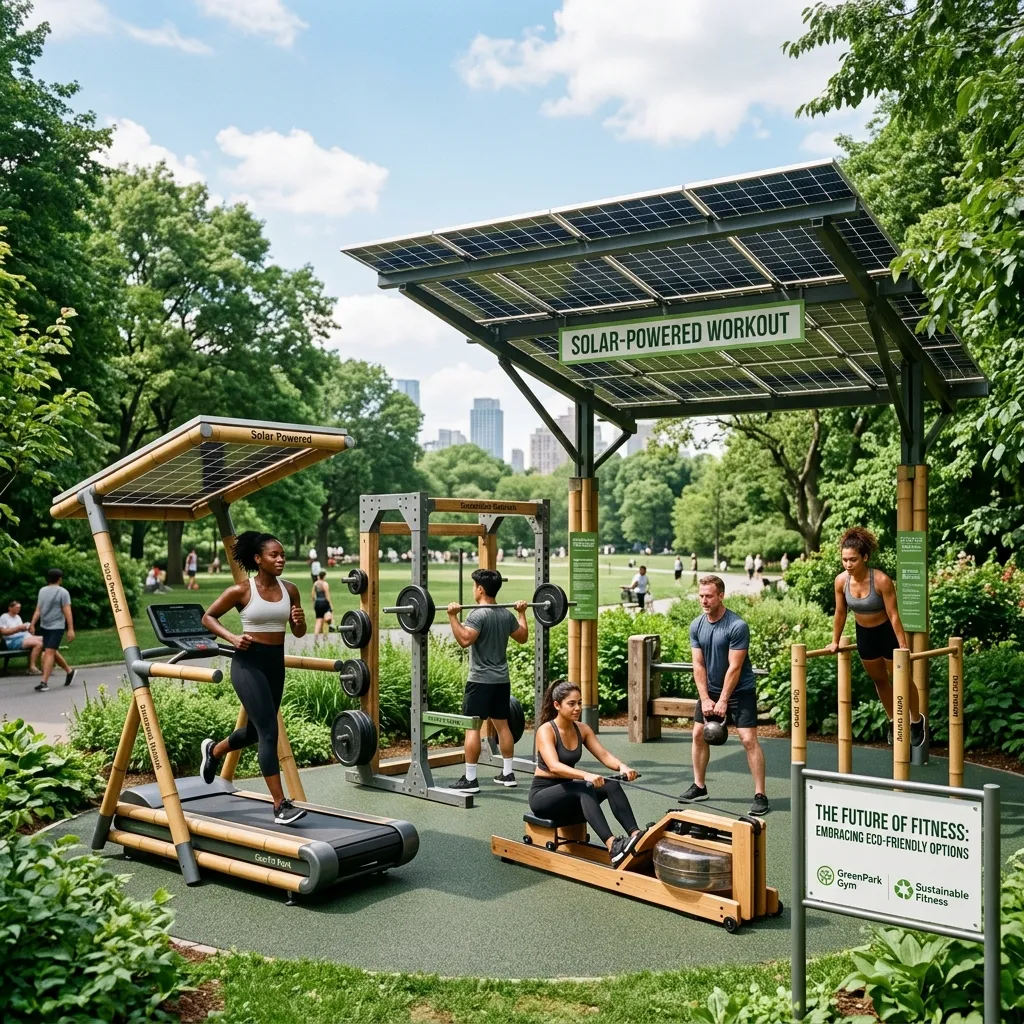
The athletic apparel industry is currently experiencing a massive shift toward environmental responsibility. This Best Sportswear Guide for Beginners encourages new athletes to consider the environmental impact of their clothing choices. Many leading brands now produce sustainable gym wear utilizing recycled plastic bottles, discarded fishing nets, and regenerated nylon. These eco-friendly manufacturing processes significantly reduce water consumption and carbon emissions.
Choosing sustainable options does not mean compromising on performance. This Best Sportswear Guide for Beginners confirms that recycled polyester offers the exact same durability, stretch, and sweat-wicking capabilities as virgin polyester. Furthermore, some brands utilize natural, biodegradable fabrics like bamboo and organic cotton blends for low-impact activities like yoga and pilates. Bamboo fabric is naturally antimicrobial and incredibly soft against the skin.
By supporting brands that prioritize transparent supply chains and ethical labor practices, you contribute to a healthier planet. This Best Sportswear Guide for Beginners asserts that investing in high-quality, sustainable pieces that last for years is far more environmentally friendly than constantly replacing cheap, fast-fashion athletic wear that quickly ends up in landfills.
Conclusion
Building your fitness wardrobe represents an exciting step toward achieving your health goals. By following this Best Sportswear Guide for Beginners, you can confidently select garments that offer superior comfort, exceptional durability, and excellent style. Prioritize moisture management, perfect your fit, and care for your fabrics properly. Equip yourself with the right activewear today and unlock your true athletic potential.
FAQs
1. Why do I need specific clothes for working out?
Regular clothes trap heat and absorb sweat, causing extreme discomfort and chafing. This Best Sportswear Guide for Beginners recommends specific athletic apparel because it utilizes synthetic fibers designed to pull sweat away from your body, regulate your temperature, and stretch safely with your movements.
2. How tight should my activewear fit?
Your activewear should fit snugly against your body to provide support and prevent the fabric from snagging on equipment. However, it should never pinch your skin, restrict your breathing, or limit your range of motion.
3. What is the best fabric for heavy sweating?
Polyester and nylon blends are the absolute best choices for heavy sweating. They are engineered to be highly breathable and pull moisture to the surface of the fabric where it evaporates quickly, keeping your skin dry.
4. Can I put my sportswear in the dryer?
No. This Best Sportswear Guide for Beginners strongly advises air-drying all your athletic apparel. The high heat of a tumble dryer permanently damages the elastic fibers in the clothing, causing them to stretch out and lose their supportive shape.
5. What are flatlock seams?
Flatlock seams are created by sewing two pieces of fabric edge-to-edge without overlapping them. This construction method creates a completely flat seam that prevents painful friction and chafing against your skin during repetitive exercise movements.
6. Why do my gym clothes smell even after washing?
Synthetic fabrics can trap body oils and bacteria that standard detergents struggle to remove. To fix this, wash your clothes inside out using a specialized sports detergent, or add white vinegar to the rinse cycle to naturally neutralize trapped odors.
7. Are expensive athletic brands worth the money?
While you do not need to buy the most expensive items, investing in mid-tier premium brands often provides better fabric technology, flatter seams, and longer-lasting durability compared to very cheap, fast-fashion alternatives.
8. What should I wear for outdoor winter workouts?
For cold weather, you must dress in layers. Start with a moisture-wicking base layer, add an insulating thermal mid-layer like fleece, and finish with a windproof and water-resistant outer shell to protect yourself from the elements.
9. How do I know if my leggings are squat-proof?
To test if leggings are squat-proof, put them on and perform a deep squat in a well-lit room in front of a mirror. If you can see your skin or undergarments through the stretched fabric, they are not squat-proof and you should try a different size or brand.
10. Can I wear my gym clothes for everyday errands?
Absolutely. Modern activewear is designed specifically to blur the lines between fitness and casual fashion. By choosing neutral colors and clean silhouettes, you can easily style your workout gear for daily errands and casual social outings.
