
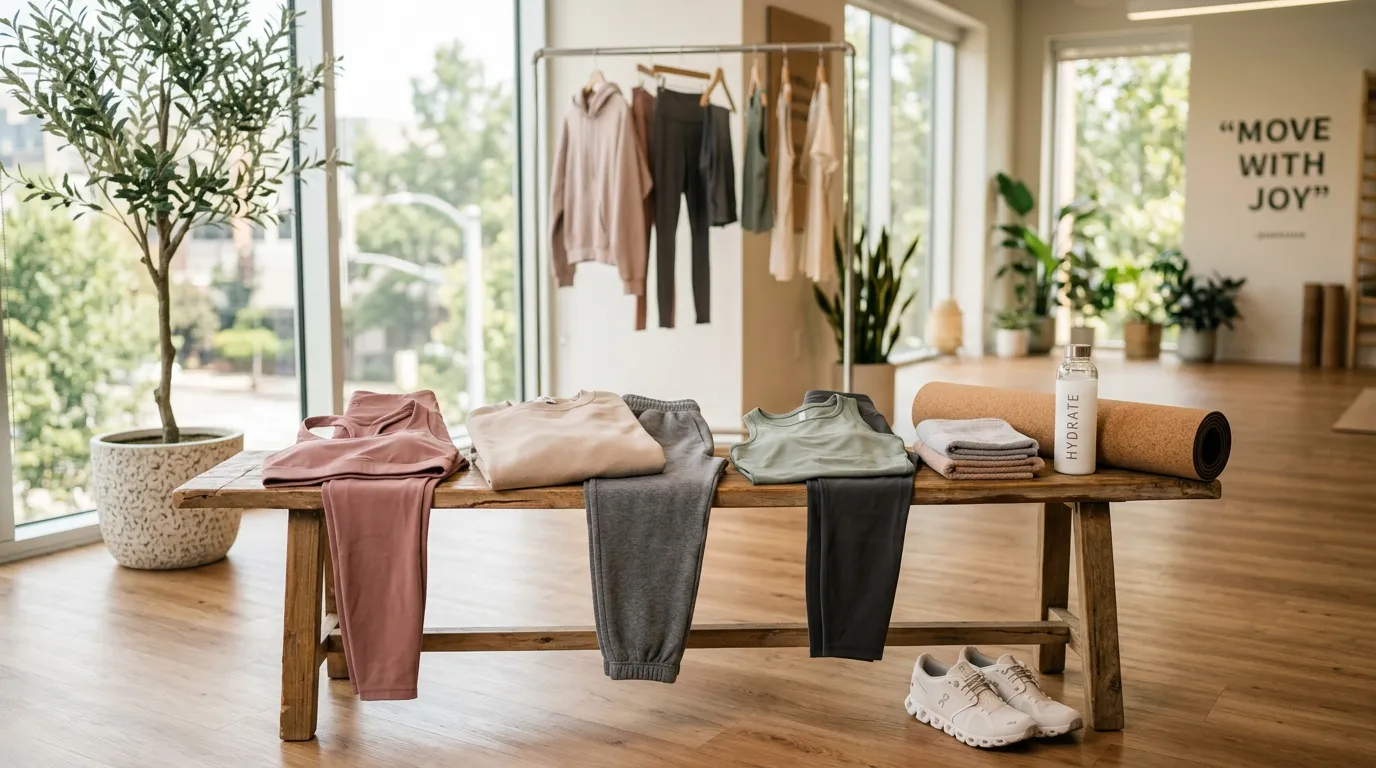
Stepping into the fitness center requires more than just motivation and a water bottle. You need the right attire to support your movements, regulate your body temperature, and boost your confidence. This Comfortable Gym Wear Guide provides everything you need to select the ultimate workout apparel. We will explore fabric technology, fit preferences, and activity-specific clothing requirements to ensure you never have to deal with chafing, slipping, or overheating during your training sessions again.
This comprehensive resource helps you navigate the complex world of activewear. You will learn how to evaluate different material blends, understand the varying levels of support required for different exercises, and construct outfits that maximize your athletic performance. From selecting the proper footwear to avoiding the most frequent activewear purchasing errors, this article delivers actionable advice to elevate your fitness journey and keep you focused on your physical goals.
The Foundation of Our Comfortable Gym Wear Guide: Understanding Fabrics
Your workout experience depends entirely on the materials sitting against your skin. Selecting the right fabric composition separates a grueling, uncomfortable workout from a smooth, productive session. When you engage in physical activity, your body produces heat and perspiration. The clothing you wear must manage these biological responses efficiently.
The Power of Synthetic Blends
Most high-quality performance apparel utilizes synthetic blends specifically engineered for athletic exertion. Polyester, nylon, and elastane represent the holy trinity of workout fabrics. Polyester is incredibly durable, lightweight, and retains its shape after hundreds of washes. Nylon provides an exceptionally soft texture while maintaining robust strength, making it ideal for garments that endure heavy stretching. Elastane, commonly known by brand names like Spandex, provides the crucial four-way stretch necessary for deep squats, lunges, and overhead presses.
When you shop for new gear, always look at the clothing tags. A garment boasting an 80% nylon and 20% elastane blend will deliver a buttery-soft feel alongside incredible flexibility. This combination ensures your clothing moves with your body rather than fighting against it.
Mastering Moisture Management
You must prioritize moisture management when assembling your fitness wardrobe. As your heart rate elevates, you sweat. If you wear basic cotton, that sweat remains trapped in the fibers. The cotton becomes heavy, clings to your skin, and eventually causes severe chafing. Furthermore, once cotton gets wet, it loses any insulating properties, leaving you freezing the moment you stop moving.
Instead, you must invest in sweat-wicking fabrics. These specialized synthetic materials utilize a capillary action to draw moisture away from your skin and pull it to the exterior of the garment. Once the sweat reaches the surface, the fabric allows it to evaporate rapidly into the air. This continuous cycle keeps your skin dry, regulates your core temperature, and prevents bacterial growth that leads to unpleasant odors. You can find excellent examples of these materials by looking at dedicated athletic lines from the American Council on Exercise recommendations for optimal training apparel.
Natural Fibers for Low-Intensity Days
While synthetic materials dominate the high-intensity workout space, natural fibers still hold a place in your wardrobe. Merino wool is a phenomenal natural fiber that inherently regulates temperature and resists odors. It serves as an excellent base layer for outdoor winter workouts or light indoor mobility sessions. Bamboo blends also offer incredible softness and natural antibacterial properties. Reserve these natural options for yoga, Pilates, or active recovery days where extreme perspiration is less of a concern.
Selecting the Perfect Upper Body Workout Attire
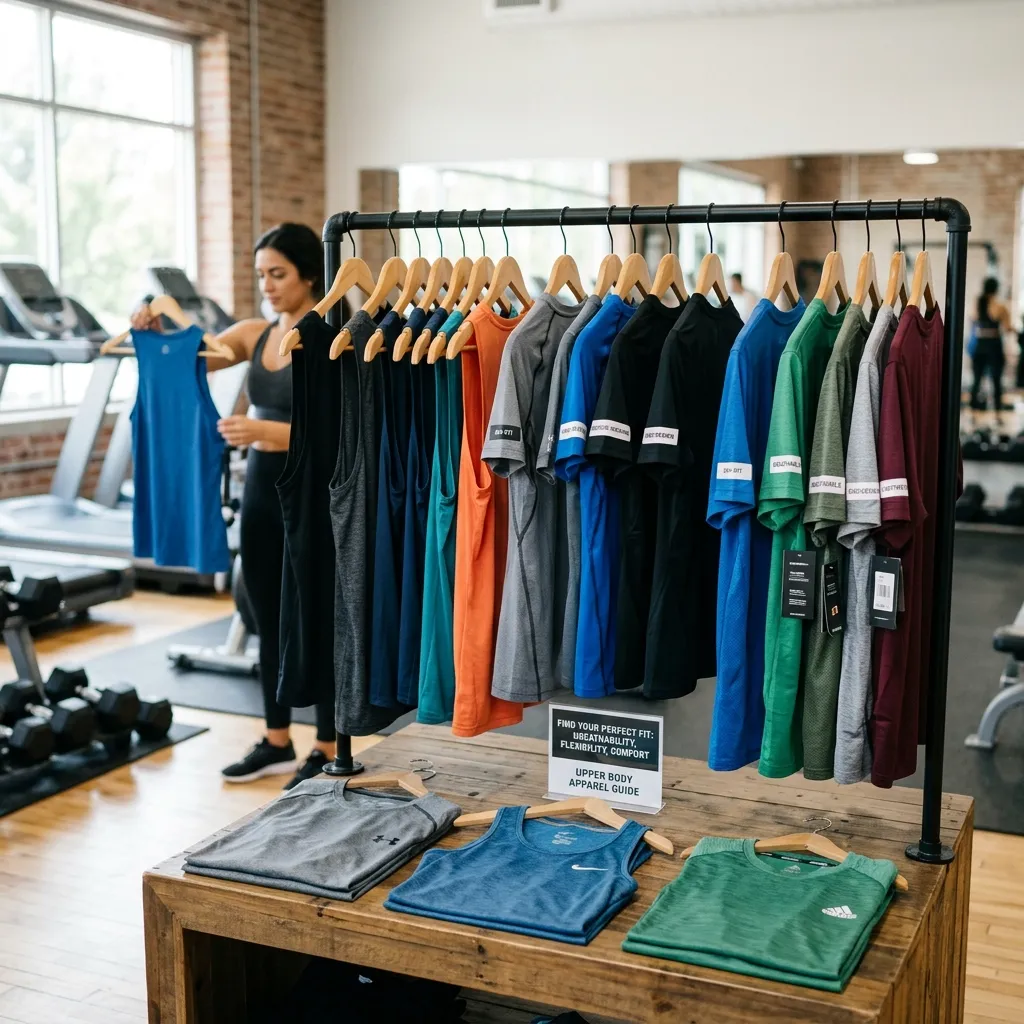
Your upper body requires garments that facilitate a complete range of motion. Whether you are performing pull-ups, throwing punches, or holding a downward dog, your tops and sports bras must provide support without restriction.
Navigating the World of Sports Bras
For female athletes, the sports bra acts as the most critical piece of equipment in the gym bag. Exercising without proper chest support leads to discomfort, compromised posture, and potential tissue damage over time. You must match the support level of your bra to the impact level of your chosen activity.
For jumping, running, and explosive plyometrics, you need high-impact sports bras. These garments typically feature encapsulation construction, meaning they have individual cups that support each breast separately, combined with wide, adjustable straps and a thick underbust band. This design minimizes movement and provides maximum security. For weightlifting or cycling, a medium-support compression bra works perfectly. For yoga or stretching, a low-support bralette offers comfort without excessive constriction.
Finding the Right Shirt Silhouette
The fit of your workout shirt influences your focus. If you constantly pull down a riding hem or adjust a slipping sleeve, you lose your mind-muscle connection. Compression shirts offer a second-skin fit that supports muscle recovery and prevents any loose fabric from catching on weight machines. They also excel at wicking sweat due to their direct contact with your skin.
Conversely, loose-fitting tank tops and t-shirts provide superior airflow. If you prefer a relaxed fit, seek out tops with strategic ventilation panels, such as mesh inserts along the spine or under the arms. A dropped armhole tank allows unrestricted shoulder mobility, making it a favorite for upper body lifting days. Always ensure the hem length suits your workout; a slightly longer back hem prevents the shirt from riding up when you bend over or perform deadlifts.
Choosing Bottoms That Support Every Movement
Your lower body handles the heaviest loads and the most explosive movements. Your pants, shorts, or leggings must offer durability, opacity, and flexibility.
The Importance of Squat-Proof Gear
Nothing ruins a workout faster than realizing your leggings become transparent when you bend over. You must invest in squat-proof leggings to maintain your confidence on the gym floor. To test opacity, stretch the fabric over your knee in bright lighting; if you can see your skin through the material, leave it on the rack.
High-quality leggings utilize a dense double-knit construction that stretches without thinning out. Darker colors naturally offer better coverage, but premium brands now engineer light-colored fabrics with blackout technology. Look for a high-waisted design with a continuous drawcord or a folded, seamless waistband. This construction ensures the leggings stay firmly on your waist, eliminating the need to hike them up after every set of jump squats.
Shorts vs. Joggers: Making the Right Call
Men and women both face the choice between shorts and longer pants. Shorts offer the ultimate ventilation and freedom for activities like indoor cycling, sprinting, and high-intensity interval training. When selecting shorts, consider the inseam length. A five-inch or seven-inch inseam provides coverage while keeping the fabric clear of the knee joint. Many athletes prefer two-in-one shorts that feature a built-in compression liner underneath a loose outer shell, preventing inner-thigh chafing during repetitive movements.
Joggers and track pants serve a different purpose. They keep your leg muscles warm during warm-ups and rest periods. Tapered joggers made from breathable activewear fabrics prevent the cuffs from snagging on barbell knurling or cardio equipment pedals. They also offer excellent protection if you perform exercises that involve dragging weights up your shins.
Footwear and Accessories: Completing the Ensemble
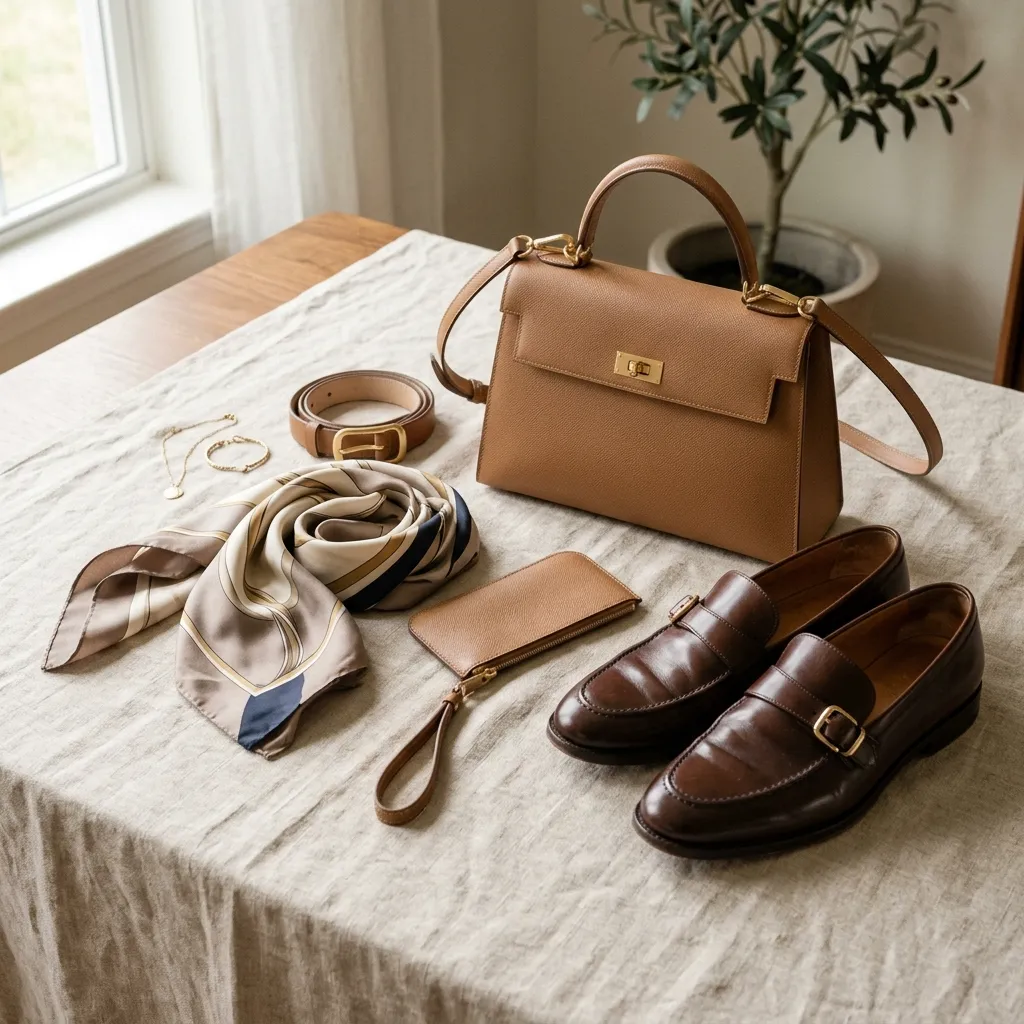
No gym outfit is complete without the proper foundation. Your shoes dictate your stability, power transfer, and joint alignment.
Matching Your Shoes to Your Activity
Wearing running shoes to lift heavy weights is a recipe for instability. Running shoes feature thick, highly compressible foam midsoles designed to absorb the repeated impact of striking the pavement. If you wear these while performing a heavy squat, the foam compresses unevenly, causing your ankles to wobble and your knees to cave inward.
For weightlifting, you need shoes with a flat, hard, and dense sole. This solid foundation allows you to drive force directly into the ground. If your workout routine involves a mix of lifting, jumping, and short sprints, you should opt for cross-training shoes. These versatile options provide a stable heel for lifting alongside a flexible forefoot and moderate cushioning for plyometrics. Check out resources on proper biomechanics to understand how footwear impacts your kinetic chain during exercise.
The Overlooked Importance of Gym Socks
Do not pair expensive athletic shoes with cheap, standard socks. The friction between your foot and the shoe causes blisters if the sock cannot handle the stress. You must wear dedicated athletic socks featuring targeted cushioning around the heel and toe, arch compression bands, and sweat-wicking fibers. Crew socks offer extra protection for your ankles and lower shins, while no-show socks provide a sleek aesthetic.
Activity-Specific Outfit Building Strategies
Different workout modalities demand entirely different apparel strategies. By tailoring your outfit to your specific routine, you maximize your comfort and performance.
High-Intensity Interval Training (HIIT)
HIIT workouts involve rapid transitions between diverse exercises like burpees, box jumps, and kettlebell swings. You sweat profusely and move in every direction.
- Opt for lightweight, breathable fabrics that dry rapidly.
- Women require maximum chest support to handle the bouncing.
- Wear form-fitting bottoms or lined shorts to prevent fabric from catching on equipment.
- Choose versatile cross-trainers that support lateral movements.
Yoga and Pilates
Mobility-focused practices require you to focus on your breath and your body’s alignment.
- Prioritize incredibly soft, brushed fabrics that feel gentle against the skin.
- Wear seamless workout gear to prevent thick stitching from digging into your skin when you roll on your mat.
- Select form-fitting attire; loose shirts will fall over your face during inversions.
- Wear grip socks if you do not want to practice barefoot, as they prevent slipping on polished studio floors.
Heavy Weightlifting and Powerlifting
When moving maximal loads, your clothing acts as protective armor.
- Wear durable fabrics that can withstand the friction of a barbell.
- Choose long socks or full-length leggings to protect your shins during deadlifts.
- Wear a supportive, flat-soled shoe or dedicated weightlifting shoe with an elevated heel.
- Avoid overly baggy tops that might obscure your view of your spinal alignment in the mirror.
Activewear Comparison Table
Use this reference table to evaluate which fabrics best suit your training style and personal preferences.
|
Fabric Type |
Key Characteristics |
Best Gym Application |
Primary Drawback |
|---|---|---|---|
|
Nylon/Elastane Blend |
Buttery soft, extreme stretch, very durable |
Yoga, Pilates, Squatting |
Can pill if rubbed against rough surfaces |
|
Polyester/Spandex |
Lightweight, rapid drying, fade-resistant |
HIIT, Running, Heavy Cardio |
Can retain body odor over time if not washed properly |
|
Merino Wool |
Naturally antibacterial, temperature regulating |
Outdoor workouts, low-intensity training |
Requires gentle washing, higher price point |
|
Cotton Blends |
Soft texture, casual aesthetic |
Warm-ups, rest days, gentle stretching |
Traps moisture, causes chafing during heavy sweating |
Common Mistakes to Avoid When Buying Activewear
Consumers frequently waste money on gym clothes that fail to perform. Avoid these widespread purchasing errors to curate a highly functional wardrobe.
First, do not buy gear based solely on aesthetics. A stunning matching set holds no value if the waistband rolls down every time you hinge at the hips. Always perform a quick mobility test in the fitting room. Execute a squat, a lunge, and raise your arms above your head to ensure the garment stays in place.
Second, avoid washing your activewear incorrectly. Heat destroys elastane. If you throw your expensive stretch leggings into a hot dryer, the elastic fibers will snap, and the garment will permanently lose its shape. Furthermore, traditional fabric softeners leave a waxy coating on synthetic fibers, completely destroying their moisture-wicking capabilities. Always wash your gym outfit essentials in cold water with sport-specific detergent and hang them to dry.
Third, wearing the wrong underwear ruins the functionality of your bottoms. Thick cotton underwear traps sweat and creates prominent lines under your leggings. Invest in seamless, laser-cut athletic underwear made from moisture-wicking synthetics to ensure complete invisibility and superior hygiene.
Pro Tips and Expert Insights for Activewear Excellence
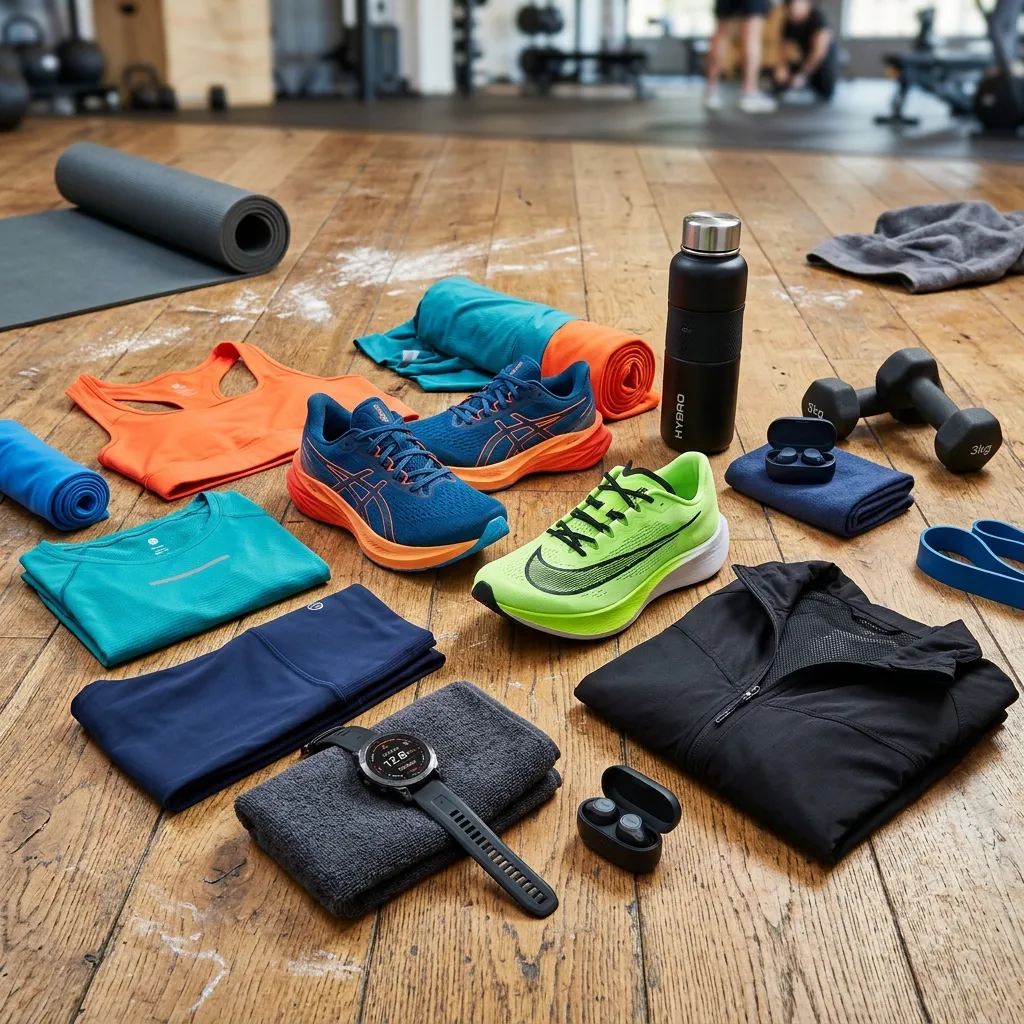
Fitness professionals understand how to maximize the lifespan and utility of their gear. Implement these expert strategies to elevate your approach to gym apparel.
Rotate Your Shoes:
Do not wear the same pair of athletic shoes every single day. The foam midsoles need at least twenty-four hours to decompress and recover their shock-absorbing properties. Rotating between two pairs of shoes dramatically extends the lifespan of both pairs and protects your joints from impact fatigue.
Layer Intelligently:
Gym temperatures fluctuate wildly. The weight room might feel freezing, while the cardio deck feels like a sauna. Always employ a layering system. Start with a moisture-wicking tank top, add a breathable long-sleeve mid-layer, and finish with a lightweight zip-up jacket. As you warm up, you can easily shed layers to maintain the perfect body temperature.
Check the Gusset:
When buying leggings or tight shorts, always inspect the crotch area. High-quality activewear features a gusset—a triangular or diamond-shaped piece of fabric sewn into the intersection of the seams. A gusset relieves stress on the seams, increases your range of motion, and prevents the garment from riding up uncomfortably.
Conclusion
Finding the right attire fundamentally changes how you experience physical exercise. By applying the principles outlined in this Comfortable Gym Wear Guide, you can build a highly functional, stylish, and supportive wardrobe that empowers your movements. Prioritize moisture-managing fabrics, select the appropriate footwear for your specific training style, and always favor fit and function over pure aesthetics. Equip yourself properly, step onto the gym floor with confidence, and crush your next workout.
Frequently Asked Questions
1. What exactly makes activewear comfortable?
Comfortable activewear combines soft, non-abrasive textures with four-way stretch capabilities and moisture-wicking technology. It should fit securely without digging into your skin, allowing for completely unrestricted movement while keeping your body dry.
2. Why should I never wear 100% cotton to the gym?
Cotton is a highly hydrophilic fabric, meaning it absorbs and retains moisture. When you sweat, cotton garments become heavy, stick to your skin, cause painful chafing, and completely lose their ability to regulate your body temperature.
3. How do I know if my leggings are actually squat-proof?
To verify if leggings are squat-proof, stretch the fabric tightly over your knee or hand under bright lighting. If the material becomes sheer and reveals your skin tone or undergarments, it lacks the density required to remain opaque during deep squats.
4. What is the difference between running shoes and training shoes?
Running shoes feature thick, compressible cushioning designed for forward-motion impact absorption. Training shoes feature a flatter, denser sole with enhanced lateral support, making them much safer and more stable for weightlifting and side-to-side movements.
5. How tightly should my sports bra fit?
Your sports bra should fit snugly enough to minimize bounce and movement without restricting your breathing or causing the straps to dig painfully into your shoulders. You should be able to slide two fingers comfortably under the shoulder straps and the bottom band.
6. Can I put my workout clothes in the dryer?
You should avoid putting performance activewear in the dryer. High heat breaks down elastane and spandex fibers, causing your garments to stretch out, sag, and permanently lose their compressive properties. Always hang your gym clothes to dry.
7. What is a gusset and why do my gym pants need one?
A gusset is a small, triangular piece of fabric sewn into the crotch seam of athletic pants and leggings. It disperses tension across multiple seams, enhances flexibility, increases durability, and prevents the fabric from riding up comfortably during exercise.
8. Why do my workout shirts smell bad even after washing them?
Synthetic fabrics can trap bacteria and body oils inside their microscopic fibers. Standard laundry detergents often fail to penetrate these fibers deeply enough. To eliminate persistent odors, use a sport-specific enzyme detergent and never use fabric softeners.
9. What should I wear if I sweat very heavily?
If you are a heavy sweater, prioritize ultra-lightweight polyester blends with extensive mesh ventilation paneling. Choose darker colors or heavily patterned fabrics to mask sweat stains, and always wear a moisture-wicking headband to keep perspiration out of your eyes.
10. How often should I replace my gym shoes?
You should typically replace running shoes every 300 to 500 miles, depending on your running style and body weight. Cross-training and weightlifting shoes last longer but should be replaced when the outsole tread wears flat or the heel counter loses its rigid support.
