

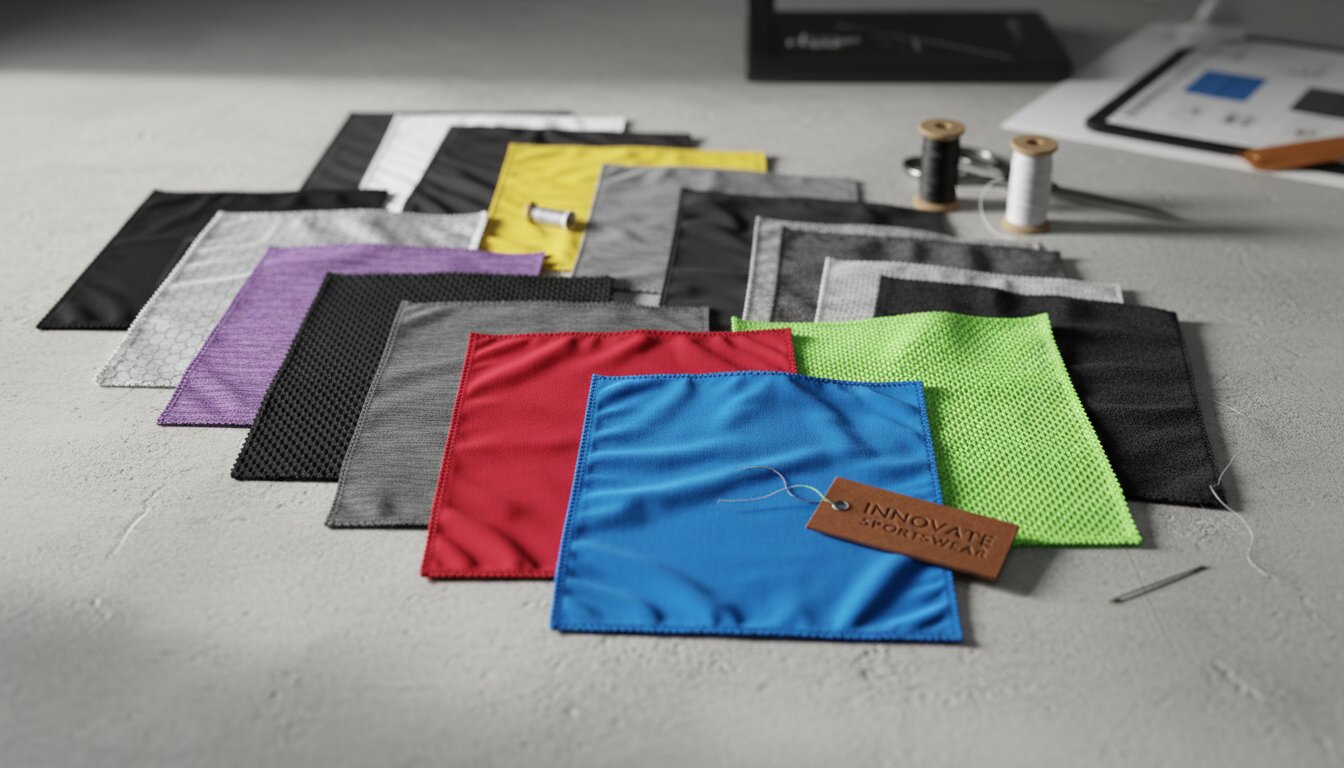
Selecting the right athletic fabric directly determines how garments perform under intense physical stress. A thorough sportswear materials guide helps designers and fitness enthusiasts navigate moisture-wicking properties, breathability, and stretch. Understanding these textiles ensures your activewear delivers peak performance and enduring comfort.
This comprehensive sportswear materials guide provides an in-depth look at the most effective performance fabrics available today. You will learn how to evaluate synthetic and natural options, understand the science behind moisture management, and make sustainable choices. Expect actionable insights, detailed comparisons, and expert tips to elevate your fabric selection process.
The Foundation of Athletic Fabric Selection
Understanding the core properties of athletic textiles is the first step in creating high-quality workout gear. The right fabric must support the body, manage sweat, and withstand rigorous movement without losing its structural integrity. Every great sportswear materials guide starts with analyzing the specific demands of the intended physical activity.
Runners need lightweight, aerodynamic materials that dry rapidly to prevent chafing. Weightlifters require highly durable, stretch-resistant fabrics that provide mild compression and support. Yoga practitioners look for buttery-soft, four-way stretch textiles that move fluidly with the body. By matching the fabric properties to the physical activity, you guarantee a superior athletic experience.
The Science of Moisture Management
Moisture-wicking technology is non-negotiable for high-intensity training apparel. When you sweat, moisture gets trapped against the skin, leading to rapid cooling, chafing, and general discomfort. Advanced fabrics solve this by employing capillary action. This process draws sweat away from the skin and pushes it to the outer layer of the garment, where it evaporates quickly.
Synthetic fibers like polyester and nylon naturally resist water absorption, making them excellent candidates for moisture management. Manufacturers often treat these fibers with hydrophilic finishes to enhance their sweat-wicking capabilities. A reliable sportswear materials guide always prioritizes moisture management because it regulates body temperature and keeps athletes dry during grueling workouts.
Evaluating Stretch and Recovery
Stretch and recovery are critical components of any performance garment. Stretch determines how far the fabric can expand, while recovery measures its ability to snap back to its original shape. Without proper recovery, leggings become baggy at the knees, and sports bras lose their essential support after a few wears.
Most performance garments utilize a blend of standard fibers and elastane to achieve the perfect balance. Two-way stretch fabrics expand in one direction, usually crosswise, making them suitable for loose-fitting running shorts. Four-way stretch fabrics expand both crosswise and lengthwise, providing the ultimate freedom of movement required for compression gear and yoga pants.
Top Synthetic Fabrics for High-Impact Performance
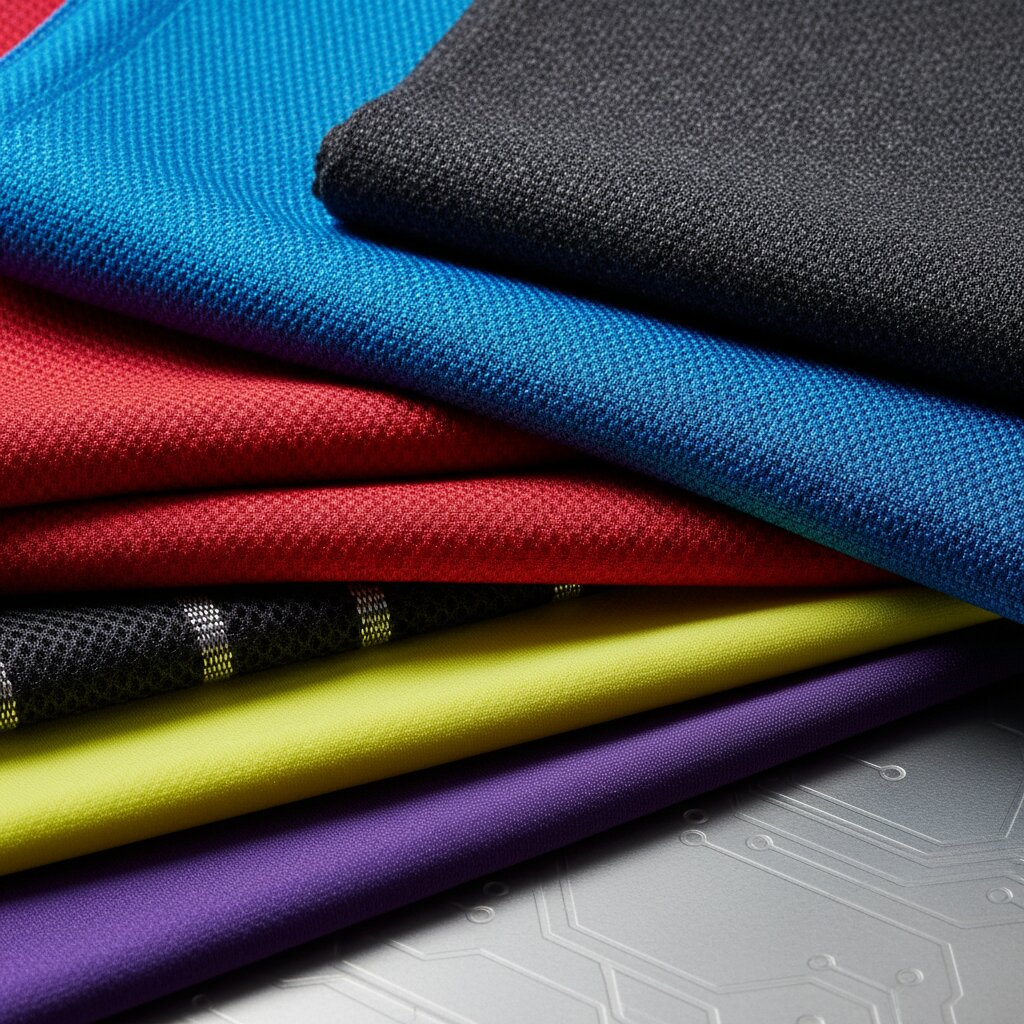
Synthetic fibers dominate the activewear industry due to their incredible durability, lightweight nature, and low production costs. These engineered materials offer precise control over performance variables, allowing manufacturers to tailor fabrics for specific athletic needs. Any thorough sportswear materials guide must heavily feature these synthetic powerhouses.
Polyester: The Undisputed King of Activewear
Polyester remains the most popular fabric in the athletic apparel industry, and for good reason. It is exceptionally lightweight, highly durable, and boasts remarkable moisture-wicking properties. Because polyester fibers are essentially plastic, they do not absorb water. Instead, they force moisture to the surface, allowing for rapid evaporation during heavy sweating.
Beyond its performance benefits, polyester takes dye incredibly well, making it perfect for vibrant, sublimation-printed designs that do not fade over time. It also resists shrinking and wrinkling, providing easy care for the consumer. While virgin polyester has environmental drawbacks, its sheer functionality makes it a staple in this sportswear materials guide.
Nylon: Supreme Durability and Stretch
Nylon is the premium alternative to polyester, offering a smoother, softer hand-feel and superior durability. Originally developed as a synthetic silk replacement, nylon provides exceptional abrasion resistance, making it ideal for gear that faces heavy friction. You will frequently find nylon in high-end compression leggings, cycling shorts, and weather-resistant outerwear.
While slightly more water-absorbent than polyester, nylon still dries relatively quickly and manages sweat effectively. Its incredible strength allows manufacturers to weave it into ultra-thin, breathable meshes without sacrificing structural integrity. The primary drawback of nylon is its higher cost, but the resulting luxurious feel and longevity justify the investment for premium activewear lines.
Spandex (Elastane): The Engine of Flexibility
Spandex, widely known by the brand name Lycra or the generic term elastane, is the fiber that makes modern activewear possible. You will never find a garment made entirely of spandex. Instead, manufacturers blend it with other fibers like polyester, nylon, or cotton in small percentages (typically ranging from five to thirty percent) to inject extreme elasticity into the fabric.
A mere five percent spandex blend gives a basic t-shirt enough give to move comfortably with the body. A twenty percent blend transforms nylon into a high-compression fabric capable of supporting muscles and improving blood circulation during intense workouts. Spandex is highly susceptible to heat damage, so your sportswear materials guide should always recommend washing these garments in cold water to preserve their elasticity.
Natural and Eco-Friendly Fabrics Revolutionizing the Industry
While synthetic fibers rule the high-impact sector, natural fabrics are making a massive comeback in the athleisure and low-impact activewear markets. Consumers increasingly demand softer, more breathable, and environmentally friendly options. Natural fibers offer unique benefits that synthetics struggle to replicate, particularly regarding odor resistance and skin comfort.
Merino Wool: Nature’s Ultimate Temperature Regulator
Merino wool is a marvel of nature and a premium choice for outdoor and winter athletic gear. Unlike traditional wool, merino fibers are incredibly fine and soft, meaning they do not itch or irritate the skin. This fabric provides unparalleled temperature regulation, keeping athletes warm in freezing conditions and cool in sweltering heat.
One of merino wool’s greatest advantages is its natural antimicrobial properties. The fibers absorb odor-causing bacteria and trap them, preventing the garment from smelling foul even after multiple heavy workouts. While it is more expensive and requires delicate care, merino wool is an essential feature in any premium sportswear materials guide focused on outdoor performance.
Bamboo Viscose: Ultra-Soft and Odor-Resistant
Bamboo fabric is rapidly gaining popularity for its buttery-soft texture and excellent drape. Creating bamboo viscose involves breaking down the bamboo plant pulp and spinning it into a highly breathable, moisture-wicking yarn. The resulting fabric feels cooler to the touch than cotton and offers superior sweat management for low-impact activities.
Bamboo also boasts natural UV protection and mild antibacterial properties. It is highly sustainable to grow, as bamboo requires minimal water and no pesticides. However, the chemical process used to convert bamboo into viscose can be environmentally taxing. Brands looking for a luxurious, eco-friendly feel often blend bamboo with organic cotton and a touch of spandex for yoga and loungewear collections.
Organic Cotton: Comfort for Low-Impact Activities
Traditional cotton absorbs moisture and holds onto it, making it a terrible choice for heavy sweating. However, organic cotton remains a vital component of any sportswear materials guide, specifically for athleisure, warm-up gear, and low-impact exercises like restorative yoga. Organic cotton is grown without toxic pesticides, making it safer for the environment and farmers.
When blended with modern synthetics, cotton provides a soft, matte finish and excellent breathability. It does not trap odors the way polyester does, making it perfect for everyday wear. Designers often utilize heavy cotton fleece for premium sweatpants and hoodies, delivering the ultimate post-workout comfort that synthetic fabrics cannot match.
The Rise of Sustainable and Recycled Sportswear Materials
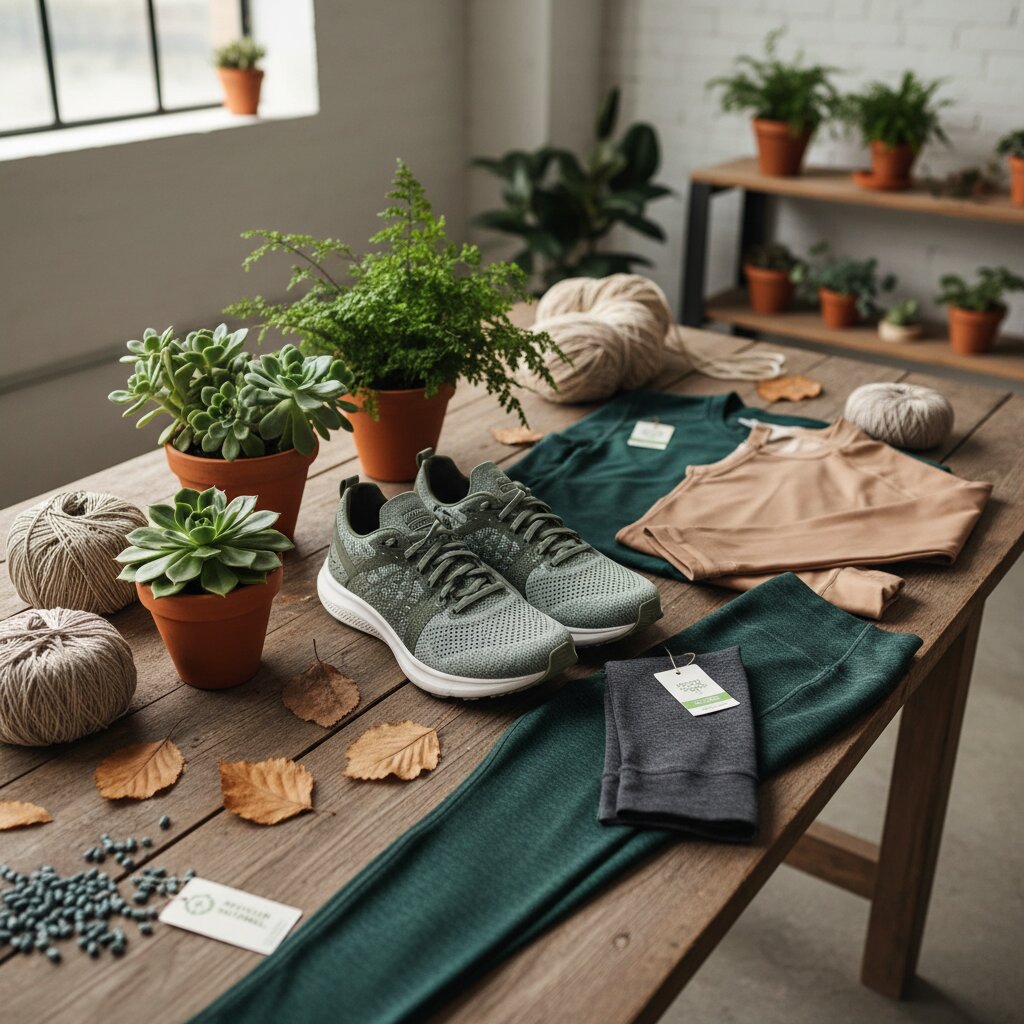
The textile industry is one of the world’s largest polluters, and activewear relies heavily on petroleum-based plastics. In response, sustainable fabric innovation has skyrocketed. Brands now prioritize eco-friendly textiles that deliver elite performance without devastating the planet. A modern sportswear materials guide must highlight these sustainable breakthroughs.
Recycled Polyester (rPET) and Ocean Plastics
Recycled polyester, or rPET, offers the exact same performance benefits as virgin polyester but utilizes significantly less energy and water during production. Manufacturers create rPET by melting down post-consumer plastic water bottles and spinning them into fine yarn. This process diverts millions of plastic bottles from landfills and oceans every year.
Leading athletic brands are also partnering with environmental organizations to harvest plastic waste directly from the ocean, transforming discarded fishing nets and debris into premium activewear fabrics. Utilizing rPET is no longer a niche marketing tactic; it is rapidly becoming the industry standard for responsible activewear production.
Bio-Based Nylons and Biodegradable Elastane
Innovation extends beyond recycling plastics. Textile engineers are now developing bio-based nylons derived from renewable resources like castor beans instead of petroleum. These bio-nylons offer the same buttery softness and high-tensile strength as traditional nylon but boast a significantly lower carbon footprint.
Furthermore, traditional spandex takes centuries to decompose, contributing to global microplastic pollution. New biodegradable elastane options are entering the market, designed to break down rapidly when exposed to specific conditions in a landfill. Incorporating these cutting-edge materials into your sportswear materials guide demonstrates a commitment to the future of sustainable fashion.
How to Source the Best Fabrics
Sourcing the right materials is a complex process that dictates the success of an activewear line. You must balance performance requirements, budget constraints, and sustainability goals. Following a structured approach ensures you select the highest quality textiles for your specific needs.
Here is a step-by-step approach to sourcing athletic fabrics:
- Identify the primary function of the garment (e.g., high-impact training, casual lounging, winter running).
- Determine the required stretch percentage and decide between two-way or four-way stretch capabilities.
- Request fabric swatches from multiple suppliers to test the hand-feel, weight, and opacity.
- Conduct wash tests to evaluate shrinkage, colorfastness, and pilling resistance over time.
- Verify all sustainability claims by requesting official certifications from the fabric mill.
Evaluating Fabric Weight and GSM
Grams per square meter (GSM) is the standard measurement for fabric weight and density. Understanding GSM is crucial when consulting a sportswear materials guide. A low GSM (100-150) indicates a lightweight, highly breathable fabric perfect for running singlets and summer t-shirts.
A medium GSM (150-250) is ideal for standard leggings, offering a balance of breathability and coverage. A high GSM (250-350+) indicates a thick, durable fabric used for compression gear, winter outerwear, and squat-proof leggings. Selecting the correct GSM ensures your garment performs adequately for its intended season and activity level.
Sportswear Materials Guide: A Comprehensive Comparison Table
To simplify your decision-making process, we have compiled a quick-reference comparison of the most popular athletic fabrics. Use this table to align your fabric choices with your performance goals.
|
Fabric Type |
Moisture Wicking |
Stretch & Recovery |
Durability |
Best Athletic Use Cases |
|---|---|---|---|---|
|
Polyester |
Excellent |
Low (Requires Spandex) |
High |
Running, High-Intensity Interval Training |
|
Nylon |
Very Good |
Excellent (With Spandex) |
Very High |
Compression Gear, Cycling, Premium Leggings |
|
Merino Wool |
Good |
Moderate |
Medium |
Winter Sports, Hiking, Outdoor Endurance |
|
Bamboo Viscose |
Moderate |
Good (With Spandex) |
Medium |
Yoga, Pilates, Low-Impact Loungewear |
|
Organic Cotton |
Poor |
Low (Requires Spandex) |
High |
Warm-ups, Weightlifting, Athleisure |
Expert Insights: Pro Tips for Designers and Brands
Creating successful activewear requires more than just picking a fabric from a list. Industry experts recommend taking a holistic approach to garment design. Pay close attention to how different fabrics interact with one another. For example, using a highly breathable mesh panel in high-sweat zones (like the underarms or lower back) can elevate a basic polyester shirt into a premium performance piece.
Furthermore, always prioritize the hand-feel of the fabric. Consumers make immediate purchasing decisions based on how a garment feels against their skin. A fabric can have elite moisture-wicking data, but if it feels scratchy or stiff, it will not sell. Invest in high-quality brushed nylons or peached polyesters to deliver that luxurious, second-skin sensation that modern athletes crave.
Common Mistakes to Avoid When Selecting Sportswear Materials
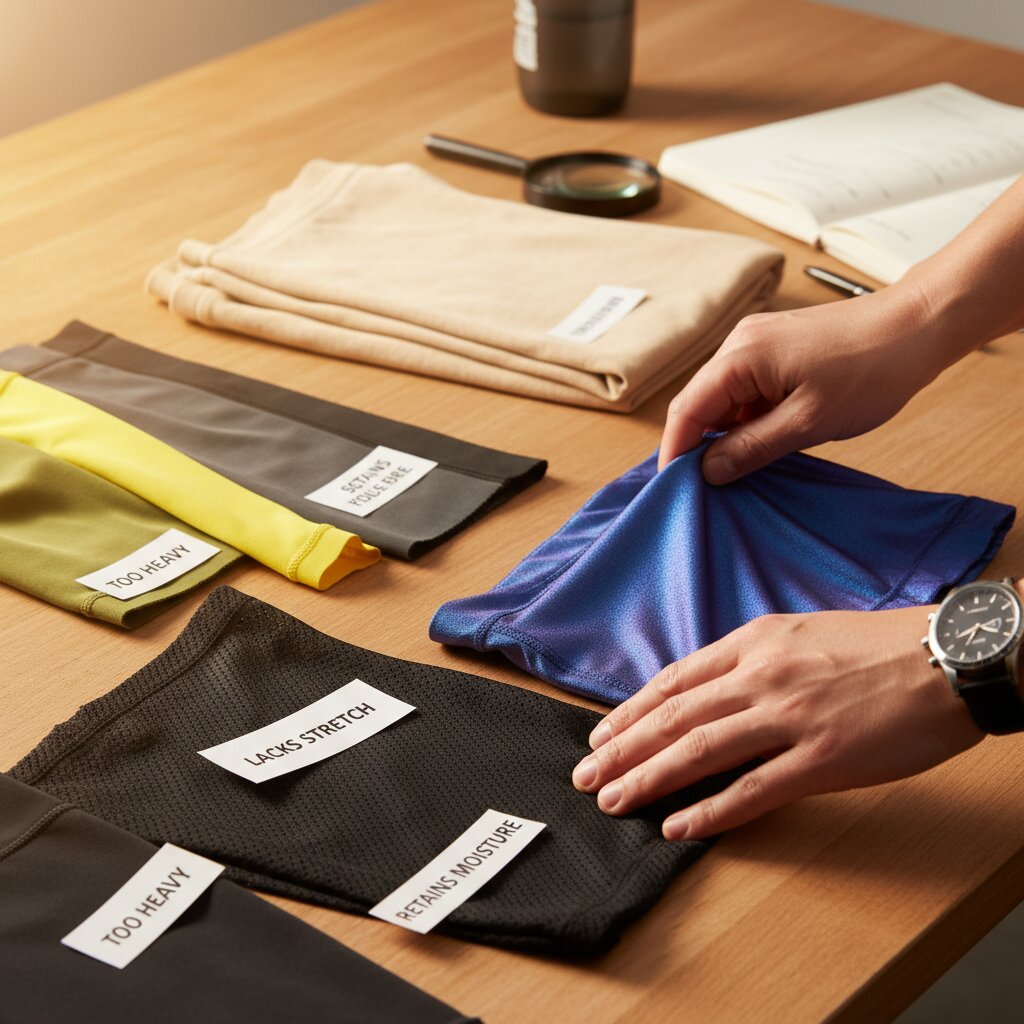
Many emerging brands make critical errors when sourcing fabrics, leading to product failures and customer returns. The most prevalent mistake is ignoring the squat test for bottom weights. If a fabric is too thin or lacks proper density, it will become sheer when the wearer bends over. Always test your legging fabrics under maximum stretch in bright lighting to ensure complete opacity.
Another common pitfall is over-using elastane. While stretch is vital, adding more than twenty-five percent spandex to a garment can make it heavy, rubbery, and overly compressive. It also severely traps heat, making the garment unwearable for intense cardio. Rely on this sportswear materials guide to strike the perfect balance between flexibility, breathability, and structural support.
Conclusion
Selecting the right athletic textiles is the ultimate key to unlocking peak athletic performance and enduring comfort. By utilizing this comprehensive sportswear materials guide, you can confidently navigate the complex world of synthetics, natural fibers, and sustainable innovations. Take action today by requesting fabric swatches, testing their performance capabilities, and designing activewear that truly empowers the modern athlete.
Frequently Asked Questions (FAQs)
1. What is the best fabric for heavy sweating?
Polyester is widely considered the best fabric for heavy sweating due to its exceptional moisture-wicking properties. It pulls sweat away from the skin and pushes it to the surface of the fabric, allowing for rapid evaporation. This keeps the athlete dry, regulates body temperature, and prevents uncomfortable chafing during intense cardiovascular workouts.
2. Is nylon or polyester better for activewear?
Both fabrics offer incredible benefits, but the choice depends on your specific needs. Polyester is generally better at managing moisture, dries faster, and retains vibrant colors beautifully. Nylon is significantly softer, offers better abrasion resistance, and provides a more luxurious stretch, making it the preferred choice for premium leggings and compression garments.
3. Why is spandex necessary in sportswear?
Spandex, or elastane, provides the essential stretch and recovery needed for athletic movement. Without it, fabrics would restrict your range of motion and quickly lose their shape, resulting in baggy knees and sagging waistbands. Blending even a small amount of spandex into a garment ensures it hugs the body comfortably and supports muscle function.
4. Can I wear 100% cotton to the gym?
While you can wear 100% cotton to the gym, it is generally not recommended for high-intensity or cardio workouts. Cotton is highly hydrophilic, meaning it absorbs sweat and holds onto it. This leaves the garment heavy, damp, and prone to causing chafing. However, cotton is perfectly suitable for low-sweat activities like weightlifting or gentle stretching.
5. What makes a fabric squat-proof?
A squat-proof fabric remains completely opaque when stretched tightly over the body, particularly during bending or squatting motions. Achieving this requires a fabric with a high GSM (gram per square meter) density and an optimal blend of nylon or polyester with elastane. Darker colors and double-knit constructions also help guarantee complete coverage.
6. Are recycled activewear fabrics as good as virgin fabrics?
Yes, recycled fabrics like rPET (recycled polyester) perform identically to virgin synthetic fabrics. They offer the same durability, moisture-wicking capabilities, and stretch retention. The major difference is that recycled fabrics divert plastic waste from landfills and require significantly less water and energy to produce, making them the superior ethical choice.
7. How should I wash my performance fabrics to make them last?
Always wash your performance fabrics in cold water on a gentle cycle. Hot water degrades the elastane fibers, causing garments to lose their stretch and supportive capabilities. Avoid using fabric softeners, as they leave a chemical coating on the fibers that traps odors and destroys the fabric’s moisture-wicking technology. Hang drying is highly recommended.
8. What is the best eco-friendly fabric for yoga wear?
Bamboo viscose and Tencel (lyocell) are excellent eco-friendly choices for yoga wear. Both fabrics offer a buttery-soft hand feel, incredible breathability, and excellent drape. They provide a cooling sensation against the skin and boast natural odor-resistant properties, making them perfect for the fluid, low-impact movements required in a yoga practice.
9. Does merino wool shrink when washed?
Merino wool can shrink if it is exposed to high heat and aggressive agitation. To prevent shrinkage, you must wash merino wool garments in cold water using a mild, wool-specific detergent. Never put merino wool in the dryer; always lay it flat to dry in a shaded area to maintain its shape, size, and temperature-regulating properties.
10. How do I know if a fabric has true moisture-wicking properties?
You can perform a simple water drop test at home to check for moisture-wicking capabilities. Place a single drop of water on the inside of the fabric. If it beads up and sits on the surface, the fabric is not wicking. If the water immediately spreads out, absorbs quickly, and moves to the outer layer, the fabric features true moisture-wicking technology.
